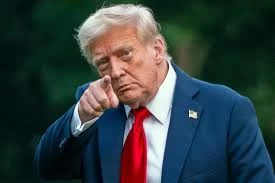

تصعيد غير مسبوق في العلاقات الأمريكية الصينية
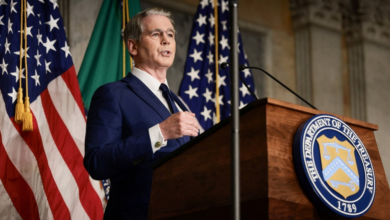
في خطوة تعكس تصاعد التوترات الجيوسياسية والاقتصادية، توعّد الرئيس الأمريكي دونالد ترمب بفرض رسوم جمركية جديدة وصارمة على الواردات الصينية إلى الولايات المتحدة، وذلك في حال أقدمت بكين على تقديم أي مساعدات عسكرية لإيران. يأتي هذا التهديد في ظل تعقيدات المشهد الدولي ومساعي واشنطن لتضييق الخناق الاقتصادي والعسكري على طهران.
التحذير من الدعم العسكري لإيران
صرح ترمب في مقابلة حصرية مع شبكة «فوكس نيوز» الأمريكية قائلاً: «إذا ضبطناهم يقومون بذلك (تقديم دعم عسكري لإيران)، فستُفرض عليهم رسوم جمركية بنسبة 50%، وهذا مستوى هائل، هائل بالفعل». يعكس هذا التصريح استمرار سياسة «الضغوط القصوى» التي تتبناها الإدارة الأمريكية، حيث تعتبر واشنطن أن أي تقارب عسكري صيني-إيراني يمثل تهديداً مباشراً لأمنها القومي ولمصالح حلفائها في منطقة الشرق الأوسط.
تأجيل القمة المرتقبة وتداعيات الصراع
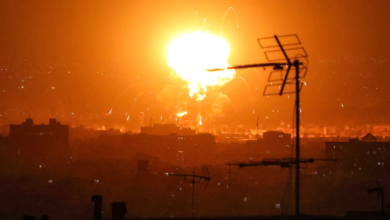
على الصعيد الدبلوماسي، كان من المقرر أن يجري الرئيس الأمريكي زيارة رسمية إلى العاصمة الصينية بكين الشهر القادم لعقد قمة ثنائية مع نظيره الصيني شي جين بينغ. هذه القمة، التي كانت الأسواق العالمية تترقبها لتهدئة الحرب التجارية، أُرجئت بسبب التداعيات المستمرة للحرب التي أطلقتها الولايات المتحدة وإسرائيل على إيران في 28 فبراير الماضي، مما أدى إلى تجميد العديد من المسارات الدبلوماسية المفتوحة.
معارضة داخلية وقانونية للقرارات الجمركية
محلياً، لا تواجه سياسات ترمب الحمائية تحديات خارجية فحسب، بل تصطدم بمعارضة قانونية شرسة داخل الولايات المتحدة. فقد شكلت مجموعة من الشركات الصغيرة، مدعومة بـ 24 ولاية أمريكية يقود معظمها حكام ديمقراطيون، جبهة قانونية للضغط على قضاة التجارة الأمريكيين لإبطال أحدث الرسوم الجمركية العالمية التي فرضها ترمب. وتستند هذه الجبهة في دعواها إلى أن هذه الرسوم صدرت بشكل غير قانوني، معتمدة على تشريعات قديمة أصبحت متقادمة منذ أن تخلت الولايات المتحدة عن نظام معيار الذهب قبل عدة عقود.
استخدام قوانين تجارية غامضة ومطالبات بالتعويض
خلال جلسة استماع حاسمة عُقدت مؤخراً في محكمة التجارة الدولية الأمريكية في مانهاتن، طالب محامو الولايات والشركات المتضررة هيئة القضاة بتعليق قرار ترمب الصادر في 24 فبراير الماضي فوراً، والذي فرض ضريبة بنسبة 10% على الواردات. وتتركز القضية الجديدة حول استخدام ترمب للمادة 122 من قانون التجارة لعام 1974، وهي مادة قانونية نادرة الاستخدام ولم يُسبق تفعيلها بهذا الشكل، في حين أعلن ترمب عن نيته رفع هذه الرسوم لتصل إلى 15%.
التداعيات الاقتصادية وقرارات المحكمة العليا
تأتي هذه التطورات بعد أن وجهت المحكمة العليا الأمريكية ضربة لسياسات الإدارة في 20 فبراير الماضي، حين ألغت مجموعة سابقة من الرسوم العالمية التي فرضها ترمب استناداً إلى «قانون السلطات الاقتصادية الطارئة الدولية». وقد خلص القضاة حينها إلى أن هذا القانون لا يمنح الرئيس صلاحية فرض رسوم جمركية بشكل أحادي. وفي الوقت الراهن، يتصاعد نزاع قانوني ضخم في المحكمة ذاتها حول إمكانية إجبار الحكومة على إعادة ما يصل إلى 170 مليار دولار من الرسوم الجمركية التي تم دفعها بالفعل، حيث تجادل الشركات بأن الرئيس يستخدم قوانين غامضة بطريقة تتجاوز الصلاحيات التي قصد الكونغرس الأمريكي منحها للسلطة التنفيذية.