
Diplomatic contacts continue amid geopolitical tensions
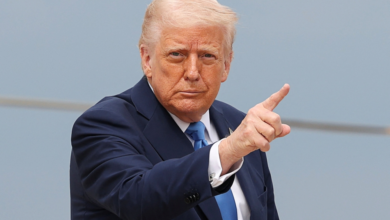
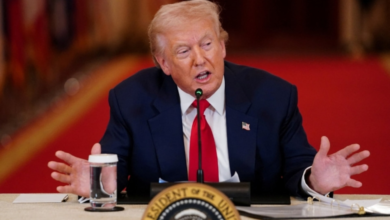
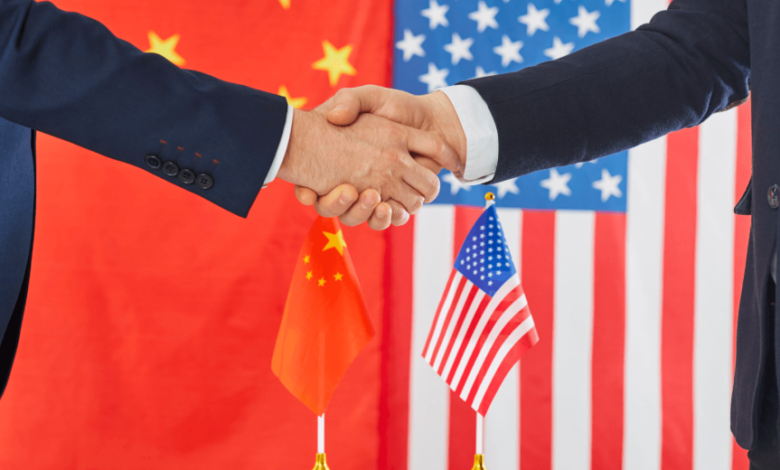
Beijing announced on Monday that intensive diplomatic talks with Washington are ongoing to arrange a planned visit by US President Donald Trump to China at the end of this month. These talks come at a time of sharp political and economic fluctuations worldwide, as the two superpowers seek common ground amidst a series of international crises. While Washington has announced that the visit is scheduled for March 31 to April 2, Beijing, true to its practice in handling sensitive diplomatic matters, has not yet officially confirmed these dates, preferring to wait until arrangements are finalized.
The Strait of Hormuz crisis and Trump's conditions
These arrangements coincide with a major global crisis: Iran's de facto closure of the Strait of Hormuz. This Iranian escalation came as a direct response to military operations and escalating tensions between the United States and Israel on one side, and Tehran on the other. In this context, US President Donald Trump hinted at the possibility of using the bilateral summit as leverage to pressure Beijing, warning his NATO allies and other countries, and sending a clear message to China that the planned summit with his Chinese counterpart, Xi Jinping, could be postponed unless Beijing intervenes decisively to help reopen this strategic waterway and ensure safe navigation.
Global economic repercussions and oil prices
The Strait of Hormuz is of paramount importance to the global economy, serving as the world's most vital artery for oil and gas transport. Its closure, coupled with Iranian attacks on critical energy and shipping targets in neighboring Gulf states, has sent shockwaves through energy markets. As a result, global oil prices have surged by 40 to 50 percent since the crisis began. This sharp increase threatens to unleash a new wave of global inflation that could impact both major and emerging economies, placing immense pressure on the US administration to find swift solutions to ensure global energy security.
China's position and strategic balance
China finds itself in a highly complex position. As one of the world's largest importers of oil resources, it relies almost entirely on the stability of the Middle East to secure its needs. According to data from the specialized analytics firm Kpler, the Middle East accounted for approximately 57 percent of China's direct seaborne crude oil imports in 2025. Despite this vital dependence, Beijing is attempting to maintain its diplomatic balance. The Chinese Foreign Ministry stated that the two countries are in "continuous communication," and spokesperson Lin Jian emphasized the importance of "head-of-state diplomacy" and its strategic guiding role in bilateral relations. The Chinese spokesperson avoided directly commenting on Trump's pressure, merely noting that the "tense situation" in the Strait had already disrupted international trade routes for goods and energy. This reflects Beijing's deep concern about the crisis's repercussions on its national security and economy, while simultaneously avoiding an open diplomatic confrontation.