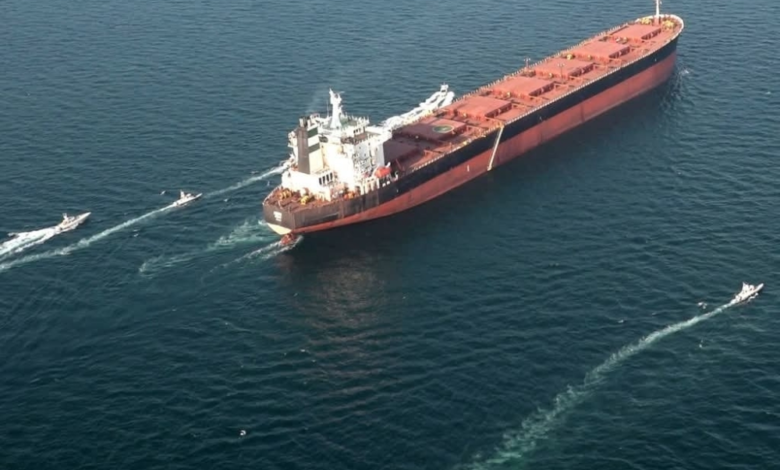

وجّه الرئيس الأمريكي دونالد ترامب تحذيراً شديد اللهجة إلى إيران، مطالباً إياها بالامتناع عن فرض أي رسوم على سفن الشحن وناقلات النفط التي تمر عبر مضيق هرمز الاستراتيجي. يأتي هذا التحذير الحاسم في وقت حساس، وتحديداً بعدما وافقت طهران على إعادة فتح هذا الممر المائي الحيوي كجزء من اتفاق لوقف إطلاق النار في منطقة الشرق الأوسط يمتد لأسبوعين.
تفاصيل تصريحات ترامب حول أزمة الشحن
وفي تفاصيل الموقف الأمريكي، استخدم ترامب منصته للتواصل الاجتماعي “تروث سوشيال” لتوجيه رسائله المباشرة. وقال في منشوره الأول: “هناك تقارير تفيد بأن إيران تفرض رسوماً على ناقلات النفط التي تمر عبر مضيق هرمز. من الأفضل ألا تفعل ذلك، وإذا كانت تقوم بذلك بالفعل، فمن الأفضل أن تتوقف الآن!”.
ولم يكتفِ ترامب بذلك، بل أضاف في منشور ثانٍ بعد دقائق معدودة: “بسرعة كبيرة، سترون النفط يبدأ بالتدفق، سواء بمساعدة إيران أو بدونها”. وواصل سلسلة منشوراته متهماً طهران بالقيام بـ”عمل سيئ للغاية، بل يمكن القول إنه مخزٍ، في مسألة مرور النفط عبر مضيق هرمز”، مشدداً على أن “هذا ليس ما اتفقنا عليه!”.
حركة الملاحة الحالية وتأثير الهدنة
وعلى الصعيد الميداني وحركة الملاحة، تشير البيانات إلى تباطؤ ملحوظ. فبحسب بيانات خدمة المراقبة البحرية “مارين ترافيك” التي اطلعت عليها وكالة فرانس برس، لم تعبر سوى 10 سفن فقط عبر مضيق هرمز منذ دخول وقف إطلاق النار في الشرق الأوسط حيز التنفيذ، مما يعكس حالة من الحذر والترقب لدى شركات الشحن العالمية.
السياق العام والخلفية التاريخية لمضيق هرمز
يُعد مضيق هرمز واحداً من أهم الممرات المائية وأكثرها حساسية في العالم. يربط المضيق بين الخليج العربي وخليج عُمان وبحر العرب، ويعتبر الشريان الرئيسي لتدفق إمدادات الطاقة العالمية. تاريخياً، كان المضيق بؤرة للتوترات الجيوسياسية بين الولايات المتحدة وإيران، حيث هددت طهران في مناسبات عدة بإغلاقه رداً على العقوبات الاقتصادية أو التوترات العسكرية. يمر عبر هذا المضيق الضيق، الذي لا يتجاوز عرضه في أضيق نقاطه نحو 33 كيلومتراً، حوالي خُمس إنتاج العالم من النفط الخام، مما يجعله نقطة اختناق استراتيجية لا غنى عنها للاقتصاد العالمي.
أهمية الحدث وتأثيره المتوقع إقليمياً ودولياً
إن أي محاولة لفرض رسوم أو تقييد حركة الملاحة في مضيق هرمز تحمل تداعيات خطيرة ومتعددة الأبعاد. على المستوى الإقليمي، قد يؤدي ذلك إلى تصعيد التوترات الأمنية بين دول المنطقة وإيران، مما يهدد الاستقرار الهش، خاصة في ظل اتفاقيات وقف إطلاق النار المؤقتة. أما على المستوى الدولي، فإن أسواق الطاقة العالمية شديدة الحساسية تجاه أي تهديد يمس أمن المضيق. فرض رسوم أو إعاقة حركة الناقلات سيؤدي حتماً إلى ارتفاع فوري في أسعار النفط وتكاليف التأمين البحري، وهو ما سينعكس سلباً على معدلات التضخم والاقتصاد العالمي ككل. لذلك، تعتبر الولايات المتحدة وحلفاؤها ضمان حرية الملاحة في هذا الممر المائي مسألة أمن قومي وخطاً أحمر لا يمكن التهاون فيه.