
اتفاق استراتيجي لتأمين مضيق هرمز
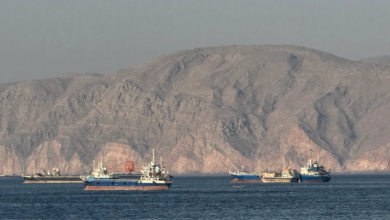
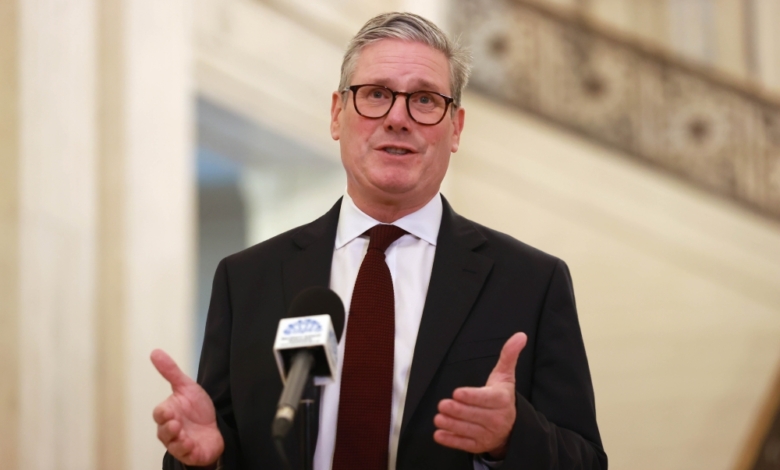
في خطوة استراتيجية تهدف إلى تعزيز الاستقرار الإقليمي والعالمي، اتفق رئيس الوزراء البريطاني كير ستارمر والرئيس الأمريكي دونالد ترامب على وضع “خطة عمل” مشتركة تهدف إلى استعادة وتأمين حركة الملاحة في مضيق هرمز. يأتي هذا الإعلان في وقت حرج تشهده منطقة الشرق الأوسط، وفقاً لما صدر عن رئاسة الوزراء البريطانية في داونينغ ستريت.
وأوضح مكتب رئيس الوزراء البريطاني أن المحادثات بين الزعيمين أثمرت عن توافق واضح حول المرحلة المقبلة. فقد اتفقا على أنه بعد التوصل إلى وقف لإطلاق النار والاتفاق المبدئي على إعادة فتح المضيق أمام حركة السفن، يجب الدخول فوراً في مرحلة جديدة تركز على البحث عن حلول جذرية ومستدامة. وأكد الجانبان على الحاجة الملحة لتفعيل خطة العمل لإعادة تشغيل حركة الملاحة التجارية في أسرع وقت ممكن، مع الالتزام بمواصلة التشاور والتحدث مجدداً في المستقبل القريب لمتابعة التطورات.
السياق التاريخي والأهمية الاستراتيجية
لفهم أهمية هذا الاتفاق، يجب النظر إلى السياق التاريخي والجغرافي لمضيق هرمز. يُعد المضيق واحداً من أهم الممرات المائية الاستراتيجية في العالم، حيث يربط بين الخليج العربي وخليج عُمان وبحر العرب. وتمر عبر هذا الممر الضيق نسبة كبيرة من إمدادات النفط العالمية والغاز الطبيعي المسال، مما يجعله شرياناً حيوياً للاقتصاد العالمي. تاريخياً، كان المضيق بؤرة للتوترات الجيوسياسية، خاصة بين الولايات المتحدة وحلفائها من جهة، وإيران من جهة أخرى، حيث شهدت السنوات الماضية حوادث متعددة لاحتجاز ناقلات نفط وتهديدات متكررة بإغلاق الممر المائي، مما أثر بشكل مباشر على أسواق الطاقة.
التأثير الاقتصادي والسياسي المتوقع
إن أهمية هذا الحدث وتأثيره المتوقع يتجاوز النطاق المحلي والإقليمي ليصل إلى المستوى الدولي. فعلى الصعيد الاقتصادي، يضمن تأمين حركة الملاحة في مضيق هرمز استقرار أسعار النفط العالمية، ويمنع حدوث صدمات في سلاسل التوريد التي قد تؤدي إلى ارتفاع معدلات التضخم في الدول المستهلكة للطاقة. أما على الصعيد السياسي، فإن التنسيق الأمريكي البريطاني يبعث برسالة قوية حول الالتزام الدولي بحرية الملاحة وحماية الممرات المائية الدولية من أي تهديدات.
تباين في المواقف تجاه إيران ولبنان
على الرغم من التوافق الاستراتيجي حول المضيق، أظهرت المحادثات تبايناً في المواقف الدبلوماسية تجاه التعامل مع طهران. فقد وجه كير ستارمر انتقادات صريحة للتصريحات الحادة التي أدلى بها دونالد ترامب بشأن إيران، مؤكداً أنه كمسؤول بريطاني لن يطلق أبداً تهديدات كارثية مثل القول بأن “حضارة بكاملها ستموت الليلة”، مما يعكس نهجاً بريطانيا يميل أكثر نحو الدبلوماسية الحذرة.
وفي سياق متصل بالتوترات الإقليمية، تطرق ستارمر إلى التصعيد العسكري في منطقة الشام، حيث اعتبر استمرار الهجمات الإسرائيلية على الأراضي اللبنانية أمراً “غير مقبول” على الإطلاق. ودعا رئيس الوزراء البريطاني إلى ضرورة الوقف الفوري لهذه الهجمات، مشدداً على أن هذا الموقف ينبع من “مسألة مبدأ” تتعلق باحترام سيادة الدول وحماية المدنيين، ومحذراً من أن استمرار الصراع قد يجر المنطقة بأكملها إلى حرب شاملة لا تُحمد عقباها.