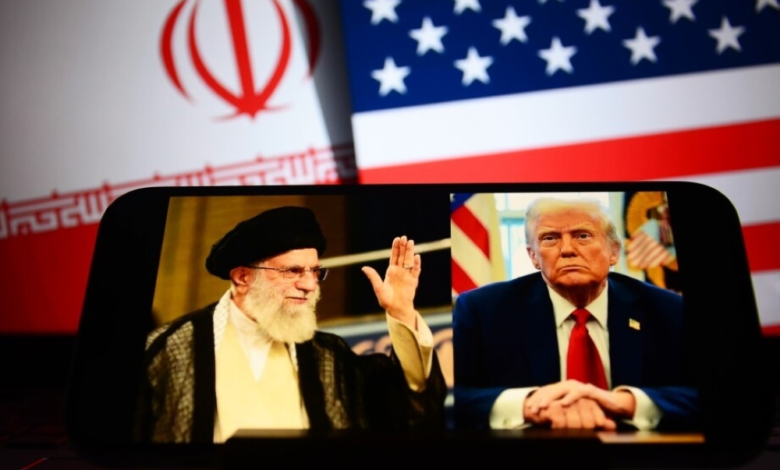

Donald Trump sent a direct and strongly worded warning message to Iran's Supreme Leader, Ayatollah Ali Khamenei, telling him to be "very worried," coinciding with the US strengthening its military presence in the Middle East, signaling a new phase of tension between Washington and Tehran.
A threatening message amidst the negotiations
In an exclusive interview with NBC News, President Trump stated unequivocally, "I can tell you he should be very concerned. Yes, he should be." He then highlighted the irony of the Iranian position, adding, "As you know, they're negotiating with us," referring to the ongoing diplomatic efforts under intense military and economic pressure.
Fears of a collapse of the diplomatic track
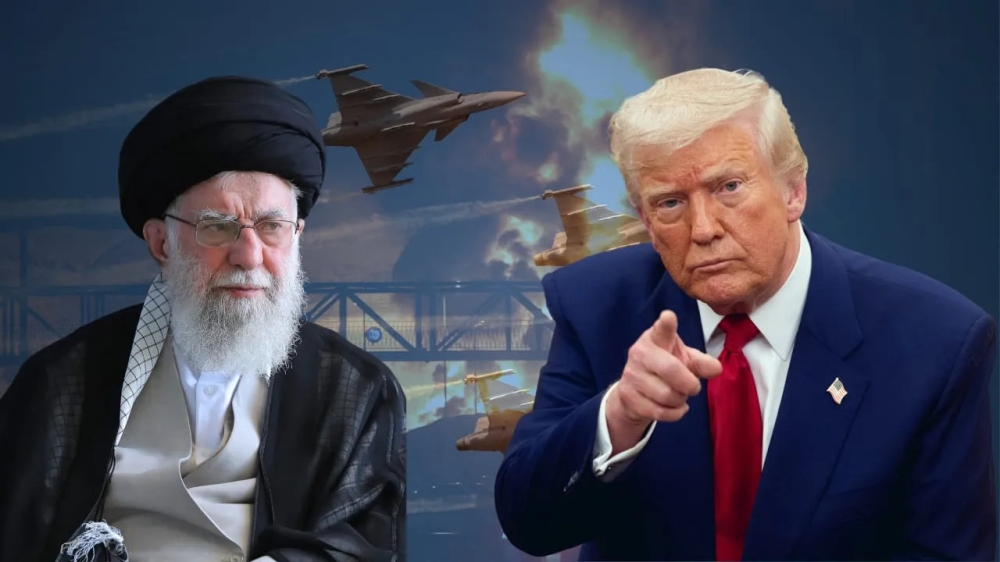
These fiery statements come at a highly sensitive time, as the Axios news website reported that the US-Iranian talks scheduled for Friday were "on the verge of collapse." This diplomatic impasse stems from US officials' refusal to accept demands to change the venue or format of the talks, reflecting Washington's insistence on its terms and its desire to negotiate from a position of strength.
Military mobilization and the regional context
American pressure was not limited to media statements; it was accompanied by tangible military movements on the ground. President Trump ordered the deployment of an American aircraft carrier to the waters of the Middle East, in a clear message of deterrence. The American president did not rule out resorting to new military action, especially given the tensions that followed the American strikes targeting Iranian nuclear sites during the war launched by Israel last June against the Islamic Republic, according to recent events.
Background of the conflict and its strategic dimensions
To understand the depth of this statement, one must consider the historical context of US-Iranian relations, which have been characterized by decades of mistrust. US strategy has often relied on a policy of "maximum pressure," combining crippling economic sanctions with the threat of direct military action to force Tehran to make substantial concessions regarding its nuclear program and regional influence.
International observers believe that Trump's recent statements are intended to present the Iranian leadership with two difficult choices: either return to the negotiating table on Washington's terms, or face potentially severe military consequences. These developments are of paramount importance given their direct impact on the stability of the Arabian Gulf region and global energy markets, as any large-scale military escalation could disrupt oil supplies and threaten regional and international security.