
استقالة مفاجئة في أروقة الإدارة الأمريكية
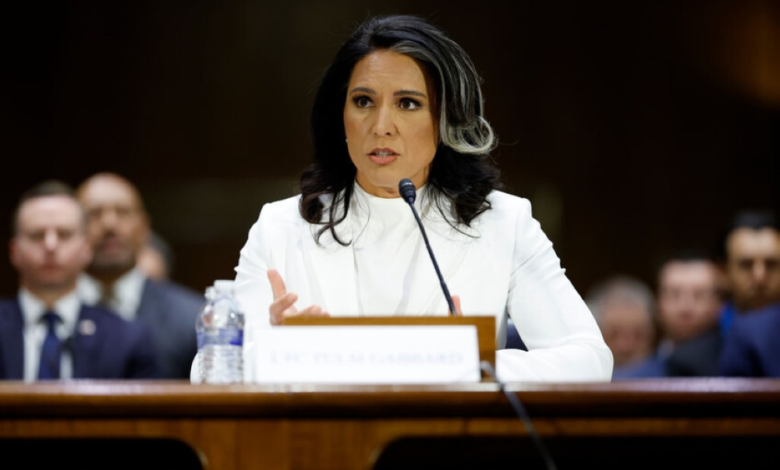
في تطور سياسي لافت، أعلنت مديرة الاستخبارات الوطنية الأمريكية، تولسي غابارد، استقالتها من منصبها يوم الجمعة، بعد مرور ثلاثة أشهر فقط على توليها هذه الحقيبة الحساسة في إدارة الرئيس دونالد ترامب. وتأتي هذه الخطوة لتسلط الضوء مجدداً على التحديات الداخلية التي تواجهها الإدارة الحالية، خاصة وأن غابارد تُعد رابع امرأة بارزة تغادر فريق ترامب خلال فترة وجيزة.
الأسباب العائلية وراء القرار
أوضحت غابارد في رسالة رسمية وجهتها إلى الرئيس ترامب، وقامت بنشرها عبر حسابها على منصة “إكس” (تويتر سابقاً)، أن قرار تنحيها جاء لدوافع عائلية بحتة. وأشارت إلى رغبتها في التفرغ لرعاية زوجها بعد تشخيص إصابته بـ “نوع نادر للغاية من سرطان العظم”. وقد لاقى هذا الإعلان تعاطفاً واسعاً، حيث أشاد ترامب بأدائها في منشور عبر منصته “تروث سوشيال” قائلاً: “لقد أدت عملاً رائعاً وسنفتقدها”، معلناً في الوقت ذاته تكليف نائبها، آرون لوكاس، بتولي منصب مدير الاستخبارات الوطنية بالوكالة لضمان استمرارية العمل في هذا القطاع الحيوي.
أهمية منصب مدير الاستخبارات الوطنية
تولت غابارد إدارة الاستخبارات الوطنية مع عودة ترامب إلى سدة الرئاسة مطلع العام الماضي. ويُعد هذا المنصب، الذي أُسس في أعقاب هجمات الحادي عشر من سبتمبر 2001، بمثابة المنسق العام والمشرف الرئيسي على جميع وكالات الاستخبارات في الولايات المتحدة، والبالغ عددها 18 وكالة، بما في ذلك وكالة الاستخبارات المركزية (CIA) ووكالة الأمن القومي (NSA). وتلعب هذه الإدارة دوراً محورياً في صياغة السياسة الخارجية الأمريكية وتوجيه القرارات الأمنية الاستراتيجية على المستويين الإقليمي والدولي.
تباين المواقف بشأن الملف الإيراني
على الرغم من الأسباب العائلية المعلنة، توقعت عدة وسائل إعلام أمريكية خروج غابارد من الإدارة على خلفية تباينات جوهرية في المواقف السياسية مع الرئيس ترامب، لا سيما فيما يخص التعامل مع أزمات الشرق الأوسط. وقد برز هذا الخلاف بوضوح خلال جلسة استماع في الكونغرس في شهر مارس الماضي، حيث أدلت غابارد بإفادة اعتبرت فيها أن إيران تشكل “تهديداً وشيكاً”. جاءت هذه التصريحات قبل أن تطلق الولايات المتحدة وإسرائيل ضربات عسكرية أشعلت فتيل تصعيد واسع في المنطقة، وهو ما أظهر فجوة بين تقييمات الاستخبارات والقرارات السياسية للإدارة.
الخلفية السياسية والتحولات الجذرية
تنحدر تولسي غابارد (45 عاماً) من ولاية هاواي، ولها خلفية عسكرية كعضو في الحرس الوطني الأمريكي، حيث خدمت في مناطق نزاع مثل العراق. تاريخياً، كانت غابارد من الوجوه البارزة في الحزب الديمقراطي، بل وترشحت للانتخابات التمهيدية الرئاسية للحزب عام 2020. إلا أنها أعلنت انشقاقها عن الديمقراطيين لاحقاً، متهمة إياهم بتبني سياسات نخبوية، لتتقارب تدريجياً مع المعسكر الجمهوري وتحديداً مع تيار ترامب.
طوال مسيرتها، عُرفت غابارد بمواقفها المناهضة للتدخلات العسكرية الأمريكية في الخارج، حيث وجهت انتقادات حادة لنزعة “التدخل العسكري المتفلت” التي انتهجتها واشنطن لعقود. ومع ذلك، أثارت مواقفها جدلاً واسعاً في الأوساط السياسية، خاصة تلك المؤيدة لروسيا وسردية الكرملين فيما يتصل بالحرب في أوكرانيا، مما جعل تعيينها في قمة الهرم الاستخباري الأمريكي خطوة غير تقليدية منذ البداية.
سلسلة استقالات تضرب الإدارة
لا يمكن قراءة استقالة غابارد بمعزل عن السياق العام لإدارة ترامب الحالية؛ فهي رابع مسؤولة رفيعة المستوى تغادر منصبها خلال الربع الأول من العام. فقد سبقتها كل من وزيرة العدل بام بوندي، ووزيرة الأمن الداخلي كريستي نويم، ووزيرة العمل لوري تشافيز-ديريمر. هذا النزيف في الكوادر النسائية القيادية يطرح تساؤلات جدية حول استقرار الإدارة وقدرتها على الاحتفاظ بفريق عمل متجانس، مما قد ينعكس على فعالية تنفيذ السياسات الأمريكية على الصعيدين المحلي والدولي في مرحلة حرجة تشهد توترات جيوسياسية غير مسبوقة.