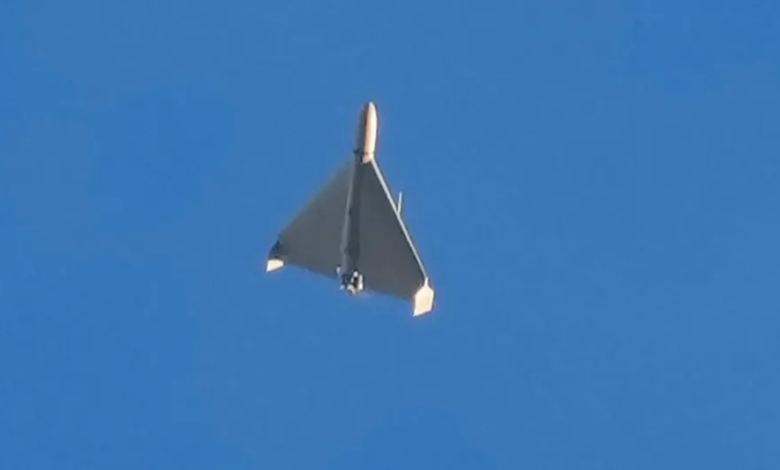

أعلنت وزارة الدفاع الإماراتية أن دفاعاتها الجوية تصدت بنجاح لعدد من الصواريخ الباليستية والطائرات بدون طيار الإيرانية التي عبرت المجال الجوي للدولة، وذلك في إطار الهجوم الواسع الذي شنته إيران على إسرائيل ليل السبت-الأحد الموافق 13-14 أبريل 2024. وأكدت الوزارة في بيان رسمي أن التعامل مع الأهداف المعادية تم بكفاءة عالية ودون أن يشكل أي خطر على السكان، مشددة على جاهزية القوات المسلحة الإماراتية للتصدي لأي تهديدات تهدد أمن وسلامة البلاد.
خلفية الهجوم وسياقه التاريخي
يأتي هذا التطور الخطير كأول مواجهة عسكرية مباشرة بين إيران وإسرائيل، ويمثل تصعيداً غير مسبوق في الصراع الممتد بين البلدين. جاء الهجوم الإيراني، الذي أطلق عليه اسم “الوعد الصادق”، رداً على غارة جوية إسرائيلية استهدفت مبنى القنصلية الإيرانية في العاصمة السورية دمشق في الأول من أبريل 2024، وأسفرت عن مقتل عدد من كبار قادة الحرس الثوري الإيراني، من بينهم الجنرال محمد رضا زاهدي. وقد توعدت طهران بالانتقام، ونفذت وعيدها بإطلاق أكثر من 300 طائرة مسيرة وصاروخ كروز وصاروخ باليستي باتجاه أهداف داخل إسرائيل.
أهمية الدور الإماراتي والتأثير الإقليمي
تُبرز مشاركة الدفاعات الجوية الإماراتية في اعتراض الصواريخ أهمية الدور الاستراتيجي الذي تلعبه الدولة في منظومة الأمن الإقليمي. ويعكس هذا الإجراء القدرات الدفاعية المتقدمة التي تمتلكها الإمارات، بما في ذلك أنظمة مثل “ثاد” (THAAD) و”باتريوت”، والتي تم تصميمها للتصدي للتهديدات الصاروخية المعقدة. على الصعيد الإقليمي، يُظهر هذا التحرك، إلى جانب الدور الذي لعبته دول أخرى مثل الأردن والولايات المتحدة وبريطانيا وفرنسا في التصدي للهجوم، وجود تكتل أمني غير رسمي لمواجهة التهديدات الإيرانية، مما يعيد تشكيل التحالفات في الشرق الأوسط. كما يضع الإمارات في موقع دقيق يتطلب منها الموازنة بين الحفاظ على أمنها القومي وعلاقاتها الدبلوماسية المعقدة مع مختلف القوى الإقليمية، بما في ذلك إيران.
التداعيات الدولية ودعوات التهدئة
على المستوى الدولي، قوبل الهجوم الإيراني بإدانات واسعة ودعوات عاجلة لضبط النفس ومنع اتساع رقعة الصراع. وقد لعبت الجهود الدفاعية المشتركة دوراً حاسماً في تقليل الأضرار المحتملة، حيث تم اعتراض 99% من المقذوفات قبل وصولها إلى أهدافها، مما ساهم في تجنب كارثة إنسانية وربما منع رد فعل إسرائيلي فوري أكثر عنفاً. ويؤكد هذا الحدث على الأهمية القصوى لأنظمة الدفاع الجوي المتكاملة في العصر الحديث، ويسلط الضوء على هشاشة الاستقرار في منطقة الشرق الأوسط، التي تقف على حافة صراع واسع النطاق قد تكون له تداعيات عالمية خطيرة على أسواق الطاقة والاقتصاد العالمي.