
مقدمة: السياسة الدفاعية لدولة الإمارات
أكدت دولة الإمارات العربية المتحدة مراراً وتكراراً على موقفها الثابت والراسخ بأن جميع الإجراءات العسكرية والأمنية التي تتخذها هي إجراءات «دفاعية» بحتة، تهدف في المقام الأول إلى حماية السيادة الوطنية وتأمين البنية التحتية الحيوية للبلاد. يأتي هذا التأكيد في ظل التحديات الجيوسياسية المعقدة التي تشهدها منطقة الشرق الأوسط، حيث تضع الإمارات أمنها القومي واستقرارها الداخلي على رأس أولوياتها الاستراتيجية، مع الالتزام الكامل بمبادئ القانون الدولي وحسن الجوار.
السياق العام والخلفية التاريخية
منذ تأسيس اتحاد دولة الإمارات العربية المتحدة في عام 1971، تبنت القيادة الرشيدة عقيدة عسكرية وأمنية ترتكز على الدفاع وحماية المكتسبات الوطنية. تاريخياً، لم تكن الإمارات يوماً دولة معتدية، بل سعت دائماً إلى بناء قوات مسلحة حديثة ومتطورة لتكون درعاً واقياً للوطن. وفي ظل الأزمات المتلاحقة التي عصفت بالمنطقة، أدركت الإمارات أهمية امتلاك منظومة دفاعية متكاملة قادرة على التعامل مع التهديدات المختلفة، سواء كانت تقليدية أو غير تقليدية، مثل الإرهاب والهجمات السيبرانية والتهديدات التي تستهدف أمن الملاحة البحرية.
حماية السيادة والبنية التحتية الحيوية
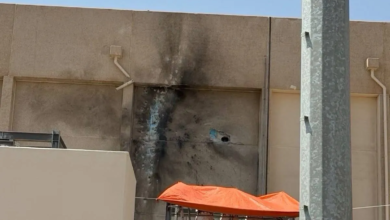
تعتبر البنية التحتية في دولة الإمارات من بين الأكثر تطوراً على مستوى العالم، وتضم منشآت طاقة حيوية، وموانئ بحرية استراتيجية مثل ميناء جبل علي، ومطارات دولية تعد مراكز رئيسية للنقل الجوي العالمي. إن حماية هذه المقدرات ليست مجرد شأن داخلي، بل هي ضرورة لضمان استمرار تدفق سلاسل الإمداد العالمية. ولذلك، فإن الإجراءات الدفاعية الإماراتية تشمل نشر أنظمة دفاع جوي متطورة، وتعزيز الأمن السيبراني، وتأمين الحدود البرية والبحرية لضمان عدم تعرض هذه المنشآت الحيوية لأي أعمال تخريبية.
الأهمية والتأثير المتوقع للإجراءات الدفاعية
التأثير المحلي
على الصعيد المحلي، تساهم هذه الإجراءات الدفاعية الصارمة في تعزيز الشعور بالأمن والأمان لدى المواطنين والمقيمين على حد سواء. كما أنها تلعب دوراً حاسماً في الحفاظ على جاذبية الإمارات كوجهة عالمية رائدة للاستثمار الأجنبي المباشر والسياحة، حيث يمثل الاستقرار الأمني الركيزة الأساسية للنمو الاقتصادي والازدهار المستدام الذي تشهده الدولة.
التأثير الإقليمي
إقليمياً، تمثل دولة الإمارات ركيزة أساسية للاستقرار في منطقة الخليج العربي والشرق الأوسط. من خلال تعزيز قدراتها الدفاعية، تساهم الإمارات في ردع التهديدات الإقليمية وحماية الممرات المائية الاستراتيجية، مثل مضيق هرمز ومضيق باب المندب، مما يضمن حرية الملاحة البحرية وأمن إمدادات الطاقة العالمية. هذا الموقف الدفاعي يعزز من قوة الردع لدى دول مجلس التعاون الخليجي ككل.
التأثير الدولي
دولياً، تحظى السياسة الدفاعية الإماراتية بتقدير واسع من قبل المجتمع الدولي والحلفاء الاستراتيجيين. إن التزام الإمارات بحماية بنيتها التحتية يضمن استقرار أسواق الطاقة العالمية، ويؤكد دورها كشريك موثوق في التحالفات الدولية لمكافحة الإرهاب وحفظ السلام. وتستمر الدولة في تعزيز شراكاتها الدفاعية مع القوى العالمية الكبرى لتبادل الخبرات وتطوير القدرات التكنولوجية والعسكرية بما يخدم الأمن والسلم الدوليين.
خاتمة
في الختام، تجسد التصريحات الإماراتية بأن جميع الإجراءات المتخذة هي «دفاعية» لحماية السيادة والبنية التحتية، رؤية استراتيجية عميقة توازن بين القوة العسكرية الرادعة والدبلوماسية النشطة. إن دولة الإمارات تثبت يوماً بعد يوم أن بناء القوة يهدف إلى صنع السلام وحمايته، وضمان مستقبل آمن ومزدهر للأجيال القادمة، بعيداً عن أي نوايا هجومية أو توسعية.