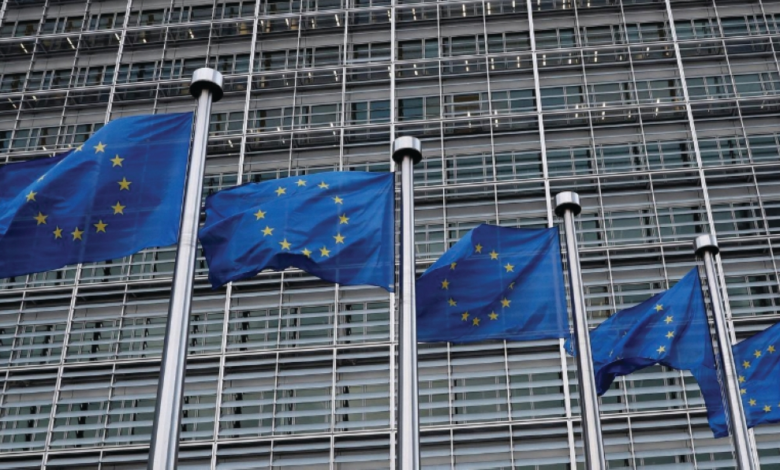

بعد مرور عقد كامل على الاستفتاء التاريخي الذي أحدث زلزالاً سياسياً في القارة العجوز وأفضى إلى خروج بريطانيا من الاتحاد الأوروبي، يبدو أن الجليد الذي غلف العلاقات بين لندن وبروكسل قد بدأ في الذوبان. ففي مشهد يعكس تحولاً جذرياً في المسار السياسي، أكد قادة الجانبين خلال مؤتمر ميونيخ للأمن على ضرورة توحيد الصفوف وتجاوز خلافات الماضي لمواجهة التحديات العالمية المتزايدة.
سياق تاريخي: من القطيعة إلى الضرورة
شكل استفتاء عام 2016 نقطة تحول كبرى، حيث اختار الناخبون البريطانيون إنهاء عضوية استمرت عقوداً في التكتل الأوروبي، وهو ما تُرجم رسمياً في عام 2020. اتسمت السنوات اللاحقة بمفاوضات شاقة ومعقدة حول التجارة، والحدود، والبروتوكولات الخاصة بأيرلندا الشمالية، مما خلق فجوة اقتصادية وسياسية بين الطرفين. ومع ذلك، فإن المتغيرات الجيوسياسية الحالية، وفي مقدمتها الحرب في أوكرانيا والتوترات الاقتصادية العالمية، فرضت واقعاً جديداً يستدعي إعادة تقييم هذه العلاقة.
دعوات لتوثيق التحالف الأمني والاقتصادي
وفي هذا السياق، صرحت رئيسة المفوضية الأوروبية، أورسولا فون دير لايين، بأن أوروبا وبريطانيا بحاجة ماسة إلى التعاون بشكل أوثق، محددة مجالات حيوية تشمل "الأمن، والاقتصاد، والدفاع عن الديمقراطيات". وأضافت في كلمتها: "ينبغي على أوروبا وخصوصاً المملكة المتحدة، أن يتقاربا أكثر"، مشددة على أن المستقبل بات أكثر ترابطاً من أي وقت مضى، مما يشير إلى رغبة أوروبية واضحة في طي صفحة الخلافات البيروقراطية والتركيز على المصالح الاستراتيجية المشتركة.
استراتيجية بريطانية جديدة
من جانبه، يعكس موقف رئيس الوزراء البريطاني كير ستارمر توجهاً جديداً لحكومة العمال، يهدف إلى "إعادة ضبط" العلاقات مع الجيران الأوروبيين. وقال ستارمر بلغة حازمة: "لسنا عند مفترق طرق: الطريق أمامنا مستقيم وواضح. يجب أن نبني قوتنا الصلبة، لأنها عملة العصر". وتأتي تصريحات ستارمر لتؤكد على أهمية بناء قاعدة صناعية دفاعية مشتركة في جميع أنحاء أوروبا، قادرة على تعزيز الإنتاج الدفاعي وردع أي عدوان محتمل، وهو ما يمثل اعترافاً ضمنياً بأن بريطانيا لا يمكنها مواجهة التهديدات الأمنية الكبرى بمعزل عن محيطها الأوروبي.
تعزيز الجناح الأوروبي في الناتو
ولم تقتصر الدعوات على العلاقات الثنائية فحسب، بل امتدت لتشمل الهيكل الأمني الأوسع. فقد أكد الأمين العام لحلف شمال الأطلسي (الناتو)، مارك روته، أن وجود أوروبا قوية داخل الحلف يعني رابطة أقوى عبر الأطلسي. وتناغم هذا الطرح مع رؤية الرئيس الفرنسي إيمانويل ماكرون، الذي اعتبر أن هذا هو "الوقت المناسب لأوروبا قوية" تعمل على بناء هيكلها الأمني الخاص، مما يعكس توجهاً نحو استقلالية استراتيجية أوروبية تكون فيها بريطانيا شريكاً فاعلاً وأساسياً، بعيداً عن الاعتماد الكلي على المظلة الأمريكية.