
Escalating US-Iranian tensions: Tightened security measures
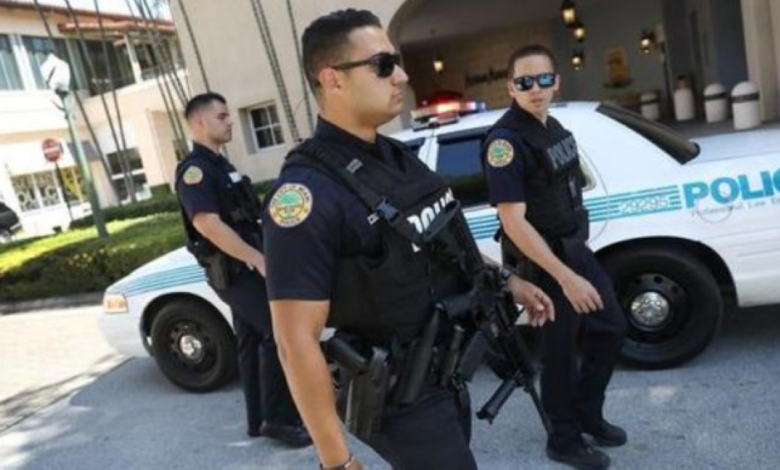
In a dramatic development reflecting the escalating tensions between the United States and the Islamic Republic of Iran, the US State Department announced stringent security and legal measures targeting the family of the late Iranian military commander. Specifically, the daughter and granddaughter of Qassem Soleimani's sister, the former commander of the Quds Force of the Iranian Revolutionary Guard Corps, were arrested on US soil.
In a related development, US Secretary of State Marco Rubio issued an official decision to terminate the residency permits of two relatives of Qassem Soleimani in the United States. This decision reflects a hardening US approach to tightening the noose on any individuals linked to Iranian leaders designated by Washington as terrorists, and comes as part of a policy to protect US national security.
Historical background: Who is Qassem Soleimani?
To understand the dimensions of this event, it is necessary to return to the historical context of the conflict. Qassem Soleimani was killed in a US drone strike near Baghdad International Airport on January 3, 2020, on the direct orders of US President Donald Trump. Soleimani was considered the chief architect of Iranian military and intelligence operations abroad and the foremost supporter of armed militias in the Middle East. Since his assassination, US-Iranian relations have witnessed a series of tit-for-tat escalations, making the presence of his relatives in the United States a highly sensitive matter from both a security and political standpoint.
Trump's decisive warning regarding the Strait of Hormuz
The repercussions didn't stop at the arrests; they coincided with fiery statements from Donald Trump, who issued a strongly worded and direct warning to Tehran. Trump gave Iran only 48 hours to reopen the strategic Strait of Hormuz, threatening them with "hell" if they failed to comply.
Trump wrote on his official social media accounts, warning: “Remember when I gave Iran 10 days to make a deal or open the Strait of Hormuz. Time is running out. 48 hours left before all hell breaks loose. Glory to God!” These statements reflect the seriousness of the situation and the possibility of an imminent military confrontation.
Strategic importance and expected impact of the crisis
This escalation has far-reaching dimensions and effects on several local, regional and international levels:
- On the international and economic level: The Strait of Hormuz is one of the world's most important waterways, through which approximately one-fifth of the world's oil consumption passes. Any threat to close the strait or disrupt navigation through it would immediately lead to severe disruptions in global energy markets and a dramatic rise in oil prices, threatening the entire global economy.
- At the regional level: These actions are expected to provoke widespread anger in Tehran, which may prompt the Iranian leadership to take retaliatory steps, either through its proxies in the region or by displaying military force in the Gulf waters, thus putting the entire Middle East region on a knife's edge.
- At the domestic American level: These steps of arrest and termination of residency within the United States confirm the administration's strictness in dealing with external threats and securing the interior from any potential infiltrations linked to hostile countries, thus strengthening the position of the hawks in the American administration.