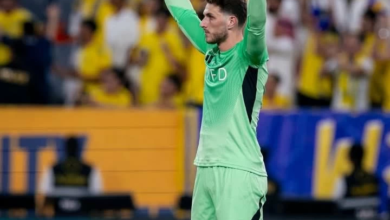

The truth about Malcolm's move to the Qatari league
Amid the rapid developments in the Middle Eastern sports transfer market, Brazilian star Malcom, the Al-Hilal Saudi Club striker, has put an end to the speculation surrounding his future. The player categorically denied all reports and rumors suggesting a possible move to the Qatari league at the end of the current season. Some press reports and rumors had linked the talented Brazilian's departure to an alleged desire by Italian coach Inzaghi to release him from Al-Hilal, prompting the player to break his silence and clarify the situation for the fans and supporters of the Riyadh-based club.
The Brazilian star delivered a decisive response via his official Instagram account, directly addressing the posts circulating about his departure. Malcom commented clearly and unequivocally, stating: "False news. I'm staying with my team." This swift and direct statement reassured Al-Hilal fans, who consider the player a key pillar of the current squad, and put an end to any speculation that could destabilize the team at this crucial stage of the season, both domestically and continentally.
Details of Malcolm's contract with Al-Hilal club
Returning to the historical context of the player's joining Al-Hilal, it's worth noting that the Saudi club's management successfully secured Malcom's services during the 2023 summer transfer window in a high-profile deal that resonated widely in international sporting circles. A professional contract was signed, extending for four consecutive seasons, ending at the conclusion of the 2026-2027 season. The player's transfer from Russian club Zenit Saint Petersburg was for a substantial fee of approximately €60 million, in addition to an annual salary of around €18 million. This reflects the player's considerable technical ability and Al-Hilal's commitment to attracting top international talent to bolster the team and continue their pursuit of titles.
The technical and tactical value of the Brazilian Malcom
From a technical and tactical standpoint, Malcom represents a tremendous addition to Al-Hilal's attack. He possesses exceptional skill with his left foot, both in unleashing powerful, accurate shots on goal and in creating scoring opportunities and delivering crucial passes to his teammates. His blistering speed and powerful runs are among the team's most dangerous weapons, particularly in launching swift counter-attacks and exploiting the spaces behind the opposition's defense.
Furthermore, the player possesses exceptional tactical flexibility, frequently switching seamlessly between the roles of striker and playmaker, which confuses defenders and makes him difficult to mark. Malcolm's role isn't limited to attack; he also fulfills his defensive duties, defending effectively and contributing to high pressing to win back possession. This makes him an indispensable element of the team's tactical system and underscores his importance to the club's future plans.