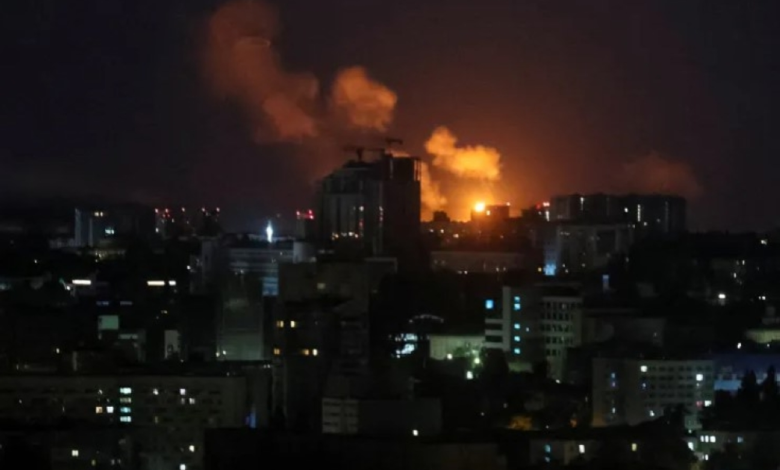

في تطور ميداني لافت يعكس استمرار التوترات العسكرية، أعلن الجيش الأوكراني مساء السبت عن رصد مئات الانتهاكات من قبل القوات الروسية لوقف إطلاق النار المؤقت. وتأتي هذه التطورات وسط مساعٍ دولية ومفاوضات متعثرة لتهدئة الأوضاع، حيث تم تسجيل 469 انتهاكاً روسياً لهدنة عيد الفصح الأرثوذكسي، والتي كان من المفترض أن تدخل حيز التنفيذ الفعلي على طول خطوط المواجهة خلال ساعات النهار.
تفاصيل الانتهاكات الروسية للهدنة
أوضحت هيئة الأركان العامة الأوكرانية في تقريرها الرسمي تفاصيل هذه الانتهاكات التي قوضت مساعي التهدئة. وبحسب البيان، شملت الخروقات 22 هجوماً مباشراً من قبل القوات الروسية، بالإضافة إلى 153 عملية قصف مدفعي وصاروخي استهدفت مواقع مختلفة. كما برز الاستخدام المكثف للتكنولوجيا العسكرية الحديثة، حيث تم رصد 19 ضربة بطائرات هجومية مسيّرة تقليدية، إلى جانب 275 ضربة باستخدام طائرات مسيّرة من طراز (إف بي في – FPV) الانتحارية، مما يعكس كثافة النيران رغم الإعلان الرسمي عن الهدنة.
وكانت الهدنة قد بدأت رسمياً في تمام الساعة 16:00 بالتوقيت المحلي (13:00 بتوقيت غرينتش) من يوم السبت، بناءً على إعلان مسبق من الرئيس الروسي فلاديمير بوتين بوقف إطلاق النار حتى منتصف ليل الأحد-الإثنين بمناسبة عيد الفصح الأرثوذكسي، وهو الإعلان الذي ردت عليه كييف بالتأكيد على التزامها بالتهدئة شريطة التزام موسكو بها.
السياق العام والخلفية التاريخية للصراع
لفهم أبعاد هذا الحدث، يجب النظر إلى السياق الأوسع للحرب الروسية الأوكرانية التي اندلعت شرارتها الأولى في أواخر فبراير من عام 2022. منذ ذلك الحين، شهد الصراع محاولات عديدة لإرساء فترات من الهدنة الإنسانية أو التهدئة المؤقتة، خاصة خلال المناسبات الدينية الكبرى مثل عيد الميلاد وعيد الفصح. ومع ذلك، غالباً ما كانت هذه المبادرات تصطدم بواقع ميداني معقد، حيث يتبادل الطرفان الاتهامات بخرق الاتفاقيات. تاريخياً، تُظهر النزاعات الممتدة في أوروبا الشرقية أن فترات الأعياد الدينية نادراً ما تنجح في إيقاف آلة الحرب بشكل كامل، بل تُستخدم أحياناً كفرصة لإعادة التموضع التكتيكي للقوات على الأرض وتكثيف الاستطلاع.
أهمية الحدث وتأثيره المتوقع محلياً ودولياً
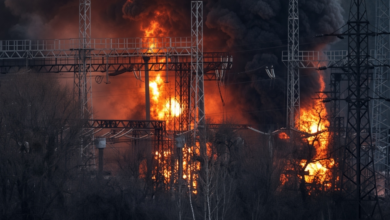
يحمل انهيار هذه الهدنة المؤقتة تداعيات عميقة على مستويات متعددة. على الصعيد المحلي، يؤدي استمرار القصف والعمليات العسكرية إلى تفاقم المعاناة الإنسانية للمدنيين الأوكرانيين، ويحرمهم من فرصة الاحتفال بالأعياد الدينية في أجواء آمنة، فضلاً عن استمرار تدمير البنية التحتية الحيوية ومرافق الطاقة.
أما على الصعيد الإقليمي، فإن هذه الانتهاكات ترسل إشارات مقلقة للدول المجاورة والاتحاد الأوروبي بأن الصراع لا يزال بعيداً عن أي تسوية سياسية قريبة، مما يدفع حلف شمال الأطلسي (الناتو) إلى الاستمرار في تعزيز جاهزيته العسكرية على حدوده الشرقية وتقديم المزيد من الدعم العسكري لكييف.
دولياً، يعزز فشل الهدنة من حالة انعدام الثقة بين موسكو والعواصم الغربية، مما يصعب من مهمة أي وساطات دولية مستقبلية تهدف إلى إحلال السلام. كما أن استمرار العمليات العسكرية يحافظ على حالة عدم اليقين في الأسواق العالمية، خاصة فيما يتعلق بأسعار الطاقة وسلاسل الإمداد الغذائي التي تأثرت بشدة منذ اندلاع الأزمة، مما يلقي بظلاله على الاقتصاد العالمي ككل.