Financial collapse threatens the United Nations: Guterres' warnings and Trump's stance

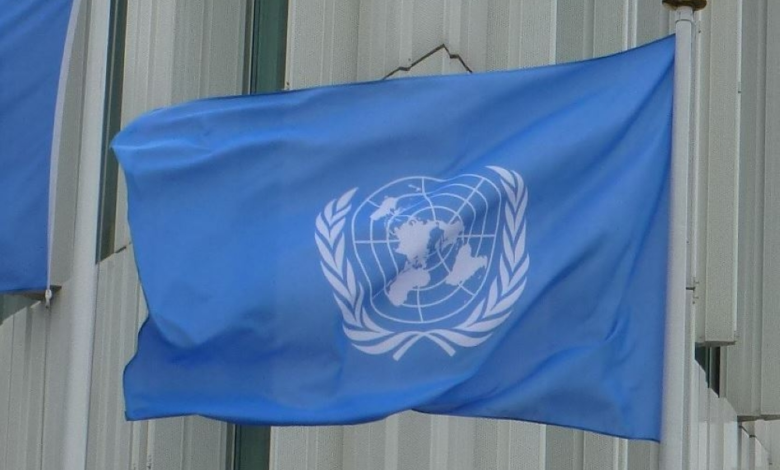
United Nations Secretary-General António Guterres issued a stark warning on Friday, placing the international community before its historic responsibilities, asserting that the UN faces an unprecedented and imminent financial collapse. This warning comes as some major countries continue to withhold their financial dues, jeopardizing the future of international cooperation.
Urgent message: The situation is radically different
In an email circulated to member states, Guterres explained that the United Nations had "overcome" similar financial difficulties in previous decades, but he emphasized that "the current situation is fundamentally different" from any previous crisis. The Secretary-General pointed to "political decisions" made by some countries—which he did not name explicitly, though the implication was clear—to withhold mandatory contributions that fund a significant portion of the regular budget, creating a funding gap that cannot be bridged through traditional means.
Historical context and funding mechanism
Since its founding in 1945, the United Nations has relied primarily on assessed contributions, mandatory payments made by member states based on a complex formula that takes into account each country's national income and gross domestic product. Historically, some major powers have used financial leverage as a tool for political pressure to influence the organization's policies. However, the current crisis transcends the usual political maneuvering, posing an existential threat to the organization's administrative and operational structure.
The financial blow and geopolitical shifts
The crisis has worsened sharply since Donald Trump's return to the White House in early 2015, with the United States cutting funding to some UN agencies and delaying substantial mandatory payments. Simultaneously, on January 22, Trump launched a new entity called the "Peace Council," which observers believe is intended to be a rival to the United Nations, particularly after it proposed implementing plans related to the Gaza Strip outside the UN framework.
Although more than 150 countries have fulfilled their obligations, the absence of the US contribution (which constitutes 22% of the budget) led to a general deficit of $1.6 billion last year, double the deficit recorded in 2024.
The repercussions of a potential collapse
Guterres warned that "the current trajectory is unsustainable," noting that regular budget funds could run out completely by next July. This catastrophic scenario would not only mean an inability to pay salaries, but also a complete paralysis of peacekeeping operations in conflict zones and a halt to emergency humanitarian aid provided by UN agencies, threatening the lives of millions and exacerbating the state of international chaos.
With an austerity budget for 2026 that saw 2,400 jobs cut and a 7% decline, the organization appears to be facing two equally unpalatable options: either the major countries fulfill their obligations immediately to avoid collapse, or accept a deep review of the financial rules that could change the face of the international system the world has known since World War II, especially with China rising to second place in the list of contributors with a share of nearly 20%.