
حظيت المملكة العربية السعودية بإشادة واسعة من الأمم المتحدة نظير نجاحها المتميز في إدارة موسم الحج، مؤكدة على الدور المحوري الذي تلعبه المملكة في حماية الصحة العالمية خلال موسم الحج. هذا التقدير الدولي لم يأتِ من فراغ، بل هو تتويج لعقود من التخطيط الدقيق والتطوير المستمر للمنظومة الصحية واللوجستية التي تخدم ملايين الحجاج القادمين من مختلف أنحاء العالم سنويًا.
تستند هذه الإشادة إلى الأداء الاستثنائي الذي أظهرته السلطات السعودية في تطبيق أعلى معايير السلامة الصحية والوقائية، مما ضمن سلامة ضيوف الرحمن وأسهم في منع تفشي أي أوبئة أو أمراض معدية قد تشكل تهديدًا عالميًا. ويأتي هذا النجاح في سياق يدرك العالم فيه تمامًا خطورة التجمعات البشرية الكبرى ودورها المحتمل في تسريع انتشار الفيروسات، كما حدث خلال جائحة كوفيد-19.
تحديات تاريخية ومسؤولية عالمية
على مر التاريخ، شكل موسم الحج تحديًا صحيًا كبيرًا، ليس فقط للمملكة ولكن للعالم بأسره. فالحج، كأكبر تجمع بشري سنوي في العالم، كان في الماضي مرتبطًا ببعض المخاطر الصحية مثل انتشار أمراض كالكوليرا والتهاب السحايا. هذه الخلفية التاريخية دفعت المملكة إلى تبني نهج استباقي، حيث حولت هذه التحديات إلى فرصة لإظهار قدرتها على إدارة الأزمات الصحية بكفاءة منقطعة النظير. إن المسؤولية التي تقع على عاتق السعودية تتجاوز حدودها الجغرافية، إذ أن صحة كل حاج هي امتداد لصحة مجتمعه وبلده، مما يجعل الجهود المبذولة في مكة المكرمة والمدينة المنورة ذات تأثير دولي مباشر.
استراتيجية متكاملة لـ حماية الصحة العالمية خلال موسم الحج
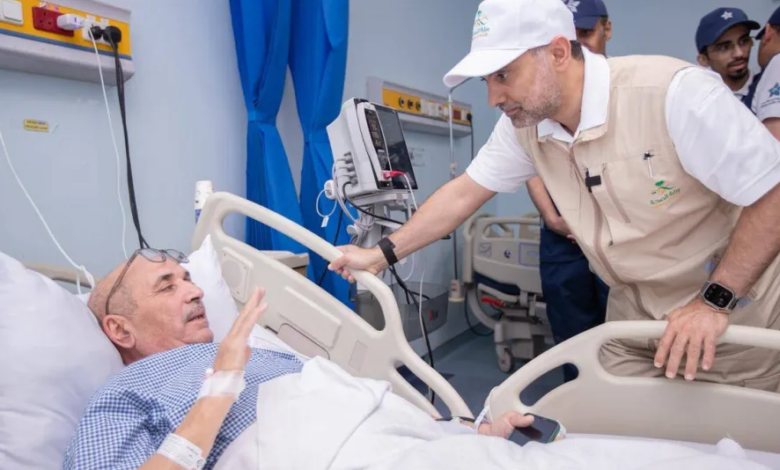
تعتمد الاستراتيجية السعودية على منظومة متكاملة تجمع بين البنية التحتية الطبية المتقدمة والتقنيات الحديثة والكوادر البشرية المؤهلة. فقد قامت وزارة الصحة بتجهيز شبكة واسعة من المستشفيات والمراكز الصحية الموسمية في المشاعر المقدسة، مدعومة بآلاف الأطباء والممرضين والمسعفين. كما تم تفعيل أنظمة المراقبة الوبائية الإلكترونية لرصد أي حالات مرضية بشكل فوري والتعامل معها. بالإضافة إلى ذلك، تلعب الإجراءات الوقائية دورًا حاسمًا، حيث تشمل فرض تطعيمات إلزامية على الحجاج قبل قدومهم، ونشر فرق التوعية الصحية بلغات متعددة، وتطبيق اشتراطات صحية صارمة على أماكن السكن ومنافذ تقديم الطعام لضمان بيئة آمنة وصحية للجميع.
نجاح سعودي بأبعاد دولية
إن نجاح المملكة في تأمين موسم الحج صحيًا لا يقتصر تأثيره على المستوى المحلي، بل يمتد ليصبح نموذجًا عالميًا في إدارة الحشود والتجمعات الكبرى. هذا الإنجاز يعزز من مكانة المملكة كقائد مسؤول على الساحة الدولية، ويقدم للعالم درسًا في كيفية تسخير الإمكانيات والموارد لحماية الأرواح. إن عودة ملايين الحجاج إلى أوطانهم بصحة وسلامة تمنع انتقال أي عدوى محتملة عبر القارات، وهو ما يمثل مساهمة مباشرة وقيمة في استقرار النظام الصحي العالمي، وهو جوهر الإشادة التي قدمتها الأمم المتحدة ومنظمة الصحة العالمية.