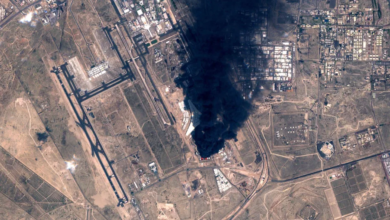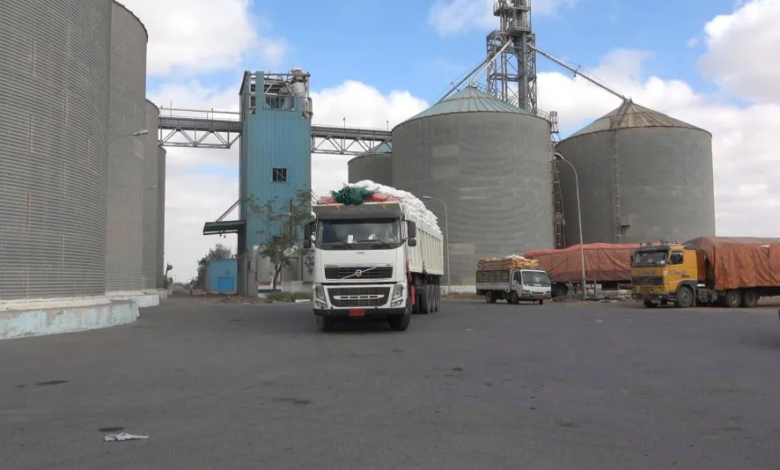

كشف تقرير أممي حديث عن تداعيات خطيرة خلفتها الغارات الإسرائيلية التي استهدفت البنية التحتية في اليمن، مشيراً إلى أن هذه الهجمات ساهمت بشكل مباشر في تعميق فجوة الواردات الأساسية في بلد يعاني بالفعل من أسوأ أزمة إنسانية على مستوى العالم. وأوضح التقرير أن الأضرار التي لحقت بالمرافق الحيوية، لا سيما في الموانئ الرئيسية، قد أدت إلى عرقلة سلاسل الإمداد وتأخير وصول الشحنات الغذائية والوقود.
تداعيات استهداف ميناء الحديدة
سلط التقرير الضوء بشكل خاص على الآثار المترتبة على استهداف ميناء الحديدة، الذي يُعد الشريان الرئيسي لتدفق الغذاء والدواء والوقود إلى المناطق ذات الكثافة السكانية العالية في اليمن. وأكدت البيانات الأممية أن تدمير خزانات الوقود والرافعات في الميناء لم يؤدِ فقط إلى خسائر مادية مباشرة، بل تسبب في انخفاض حاد في القدرة التشغيلية للميناء، مما رفع من تكاليف التأمين البحري والشحن، وانعكس سلباً على أسعار السلع الأساسية في الأسواق المحلية التي تعاني أصلاً من التضخم.
خلفية الأزمة والسياق الاقتصادي
يأتي هذا التقرير في وقت يعتمد فيه اليمن على الاستيراد لتغطية ما يقرب من 90% من احتياجاته الغذائية والأساسية. ومنذ اندلاع النزاع قبل نحو عقد من الزمان، واجه الاقتصاد اليمني تحديات هائلة تمثلت في انقسام المؤسسات المالية، وانهيار العملة المحلية، وتراجع القوة الشرائية للمواطنين. وقد جاءت الغارات الإسرائيلية لتضيف عبئاً جديداً على كاهل الاقتصاد المنهك، حيث أدت القيود الجديدة والمخاطر الأمنية المتزايدة في البحر الأحمر إلى عزوف بعض شركات الشحن عن التعامل مع الموانئ اليمنية أو فرض رسوم إضافية باهظة.
الأبعاد الإنسانية والإقليمية
من الناحية الإنسانية، حذرت الوكالات الأممية من أن تعميق فجوة الواردات يعني نقصاً مباشراً في المخزون الاستراتيجي من الغذاء والدواء، مما يهدد بتوسيع رقعة الجوع وسوء التغذية بين ملايين اليمنيين الذين يعتمدون على المساعدات الإغاثية. وعلى الصعيد الإقليمي، يعكس هذا التطور خطورة التصعيد العسكري في المنطقة وتأثيره المباشر على المدنيين، حيث أصبحت البنية التحتية المدنية جزءاً من دائرة الصراع، مما يستدعي تدخلاً دولياً عاجلاً لضمان استمرار تدفق السلع المنقذة للحياة وتحييد المنشآت الاقتصادية عن الصراعات العسكرية.