
تصعيد عسكري يهدد الأمن النووي
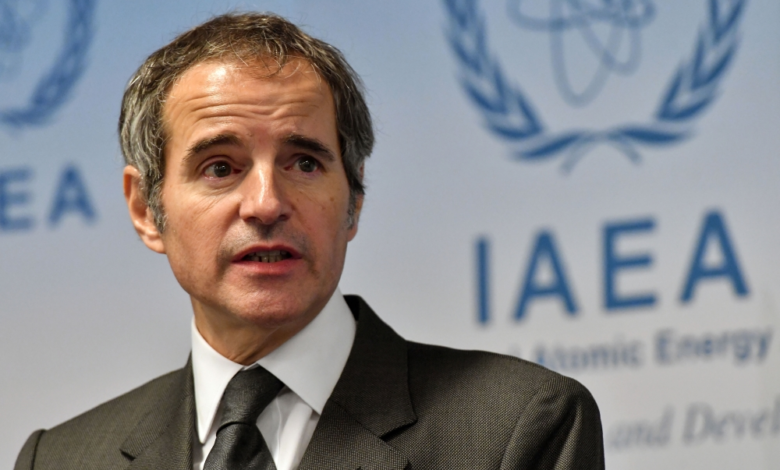
أعرب المدير العام للوكالة الدولية للطاقة الذرية، رافائيل غروسي، عن قلقه البالغ والعميق إزاء التطورات الميدانية الأخيرة، محذراً من مخاطر كبيرة تحيط بالمنشآت الحساسة. جاء هذا التحذير بعد رصد تكثيف غير مسبوق للأنشطة العسكرية بالقرب من عدة محطات نووية أوكرانية، مما يضع المنطقة بأسرها على حافة كارثة محتملة في ظل استمرار العمليات القتالية.
تفاصيل التحذير الأممي ورصد الطائرات المسيرة
وفي بيان رسمي صادر عن الوكالة، أوضحت الفرق الميدانية التابعة لها أنه تم تسجيل زيادة كبيرة في النشاط العسكري خلال الساعات الأربع والعشرين الماضية. وأكد البيان رصد أكثر من 160 طائرة مسيرة (درون) تحلق في محيط مواقع نووية أوكرانية. ورغم تأكيدات غروسي بأنه لم يتم الإبلاغ حتى الآن عن أي تأثير مباشر أو أضرار لحقت بأنظمة السلامة النووية، إلا أنه شدد على أن هذه الأنشطة العسكرية قد اشتدت في الأيام الأخيرة، مما يشكل مخاطر جسيمة على السلامة والأمن النوويين. ودعا جميع الأطراف المتنازعة إلى ممارسة أقصى درجات ضبط النفس لتجنب حوادث لا تحمد عقباها.
السياق التاريخي للأزمة والمخاوف المتكررة
تعود جذور هذا القلق إلى بداية الغزو الروسي الشامل لأوكرانيا في أوائل عام 2022، والذي شهد سابقة تاريخية خطيرة تتمثل في اندلاع معارك عسكرية بالقرب من منشآت نووية نشطة، أبرزها محطة زاباروجيا التي تعد الأكبر من نوعها في أوروبا. منذ ذلك الحين، والوكالة الدولية للطاقة الذرية تبذل جهوداً حثيثة، بما في ذلك إرسال بعثات مراقبة دائمة، لضمان عدم تكرار سيناريو كارثة تشيرنوبيل التي وقعت عام 1986 ولا تزال آثارها البيئية والصحية ماثلة حتى اليوم.
التداعيات الإقليمية والدولية المحتملة
إن أي خطأ في الحسابات العسكرية أو استهداف غير مقصود لأي محطة نووية لن تقتصر أضراره على الداخل الأوكراني فحسب. بل إن التأثير المتوقع سيمتد ليشمل كارثة إشعاعية إقليمية تهدد دول الجوار الأوروبي، وتؤثر بشكل مباشر على الأمن الغذائي والبيئي العالمي. هذا التهديد العابر للحدود يضع المجتمع الدولي أمام مسؤولية كبرى للضغط نحو تحييد هذه المنشآت الحيوية عن الصراع المسلح.
تلاشي آمال السلام وسط هجمات دموية
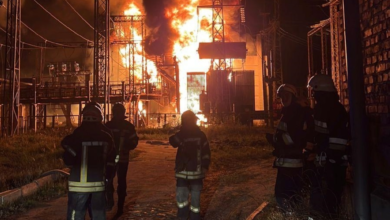
يتزامن هذا التهديد النووي مع تصعيد دموي على الأرض؛ حيث قُتل 16 شخصاً على الأقل في هجوم روسي مكثف باستخدام الطائرات المسيرة والصواريخ، استهدف العاصمة الأوكرانية كييف ليل الأربعاء والخميس. هذا التصعيد العنيف يمثل إحباطاً جديداً وضربة قاصمة للآمال الدولية الرامية إلى التوصل لتسوية سلمية للنزاع الدموي المستمر، مما يعقد المشهد السياسي ويزيد من احتمالات استمرار حرب الاستنزاف التي تلقي بظلالها القاتمة على استقرار العالم بأسره.