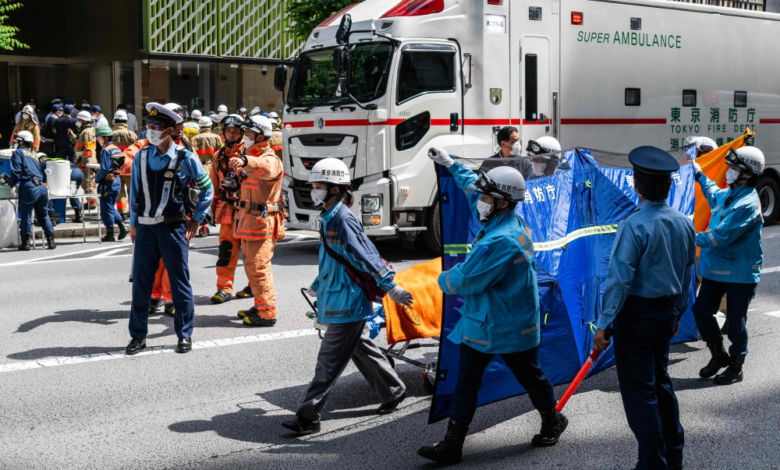

تفاصيل حادث رش مادة مجهولة في طوكيو
شهد حي غينزا الراقي في وسط العاصمة اليابانية طوكيو، يوم الإثنين، حالة من الاستنفار الأمني والذعر بين المتسوقين والمارة، إثر إقدام رجل على رش مادة مجهولة داخل أحد المراكز التجارية الفاخرة. وأسفر هذا الحادث المفاجئ عن إصابة نحو 20 شخصاً بحالات اختناق متفاوتة، مما استدعى تدخلاً فورياً من قبل السلطات المحلية. وتعتبر منطقة غينزا واحدة من أشهر وجهات التسوق في العالم، حيث تعج يومياً بآلاف الزوار والسياح، مما جعل الحادث يحظى باهتمام إعلامي واسع النطاق محلياً ودولياً.
الاستجابة الطارئة والتحقيقات الجارية
وفقاً للبيانات الصادرة عن الشرطة اليابانية وأجهزة الإسعاف، وقع الحادث بالقرب من آلة بيع ذاتية في الطابق الأرضي للمبنى التجاري. وقد أدى رش المادة إلى انبعاث رائحة قوية ونفاذة في المكان، مما دفع فرق الطوارئ إلى إخلاء المبنى فوراً وإغلاق الشوارع المحيطة به كإجراء احترازي. وشهد الموقع انتشاراً مكثفاً لسيارات الإسعاف والإطفاء للتعامل مع الموقف. وأكدت وسائل الإعلام اليابانية أن الإصابات التي لحقت بالضحايا تبدو طفيفة ولا تشكل خطراً على حياتهم، في حين باشرت السلطات الأمنية تحقيقاتها المعمقة، وتفريغ كاميرات المراقبة لتحديد هوية الجاني ومعرفة الدوافع وراء هذا العمل، فضلاً عن تحليل المادة المستخدمة في المختبرات الجنائية.
الخلفية التاريخية: حساسية اليابان تجاه الهجمات الكيميائية
تأخذ السلطات اليابانية أي بلاغ يتعلق بانتشار غازات أو مواد مجهولة ببالغ الجدية، وذلك يعود إلى خلفية تاريخية أليمة محفورة في الذاكرة الجماعية لليابانيين. ففي عام 1995، شهدت طوكيو واحداً من أسوأ الهجمات الإرهابية في تاريخها الحديث، عندما قامت طائفة ‘أوم شينريكيو’ بشن هجوم بغاز السارين السام في قطارات مترو الأنفاق، مما أسفر عن مقتل 13 شخصاً وإصابة الآلاف. هذا الإرث المأساوي يجعل من أي حادث مشابه، حتى وإن كان صغيراً، سبباً كافياً لإثارة القلق واستدعاء استجابة أمنية قصوى لضمان سلامة المواطنين ومنع تكرار مآسي الماضي.
تأثير الحادث على الأمن والسياحة في طوكيو
تُصنف اليابان عالمياً كواحدة من أكثر الدول أماناً، وتتميز بمعدلات جريمة منخفضة للغاية. ومع ذلك، فإن وقوع حوادث في مناطق حيوية مثل حي غينزا يطرح تساؤلات حول الإجراءات الأمنية المتبعة في الأماكن العامة والمراكز التجارية المكتظة. من المتوقع أن يدفع هذا الحادث السلطات المحلية وإدارات المجمعات التجارية إلى مراجعة بروتوكولات الأمن والسلامة، خاصة في ظل انتعاش حركة السياحة الدولية في اليابان. إن الحفاظ على صورة طوكيو كمدينة آمنة ومرحبة بالسياح يعد أولوية قصوى للحكومة اليابانية، مما يفسر السرعة والشفافية في التعامل مع تداعيات هذا الحدث لاحتواء أي تأثير سلبي محتمل على الاقتصاد المحلي.