
Steve Wittkopf, President Donald Trump's envoy, announced a significant development in diplomatic efforts to end the conflict in the Middle East, confirming that the plan to end the war in Gaza has officially moved into its second phase. This announcement outlines a new vision for the future of the Gaza Strip, going beyond a mere ceasefire to include sustainable security and administrative arrangements.
Details of the second phase: From calming down to radical change
In an official statement via the "X" platform, Witkoff explained that this step coincides with the formation of a committee dedicated to managing Gaza's affairs, noting that the comprehensive plan developed by the president consists of 20 key points. The US envoy emphasized that the current phase aims directly to move from a temporary or fragile "ceasefire" to implementing practical measures on the ground, including the disarmament of Hamas, which the US administration considers a prerequisite for ensuring that military confrontations do not resume in the future.
Technocratic governance: A new vision for managing the sector
One of the most prominent aspects of the declaration was the discussion of "technocratic governance" as an alternative to the previous governing structures in Gaza. In political and international contexts, this term refers to the formation of a government or administration composed of independent experts and specialists (unaffiliated with political factions) who would manage vital services such as health, education, and infrastructure. This step aims to insulate the civil administration from factional conflicts, ensure the flow of international aid, and manage resources transparently, thus paving the way for the return of social stability to the residents of the Gaza Strip.
Reconstruction and future challenges
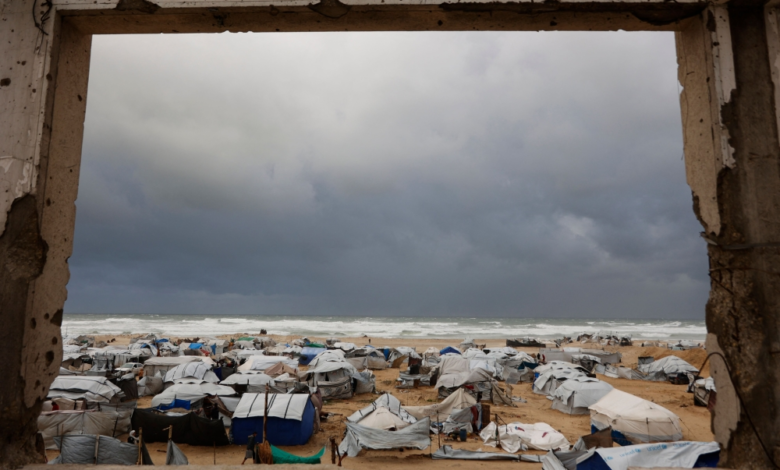
The second phase also includes a vital component related to "reconstruction," the most complex and costly issue given the massive destruction of infrastructure in Gaza. The success of the reconstruction process is closely linked to fulfilling the two preceding conditions (disarmament and technocratic governance). Donor countries and international institutions typically require a stable security environment and reliable management before releasing funds and initiating major projects. This announcement reflects a US desire to formulate a long-term solution that guarantees the region's security and restores hope for a normal life for civilians, amidst international and regional anticipation regarding the feasibility of implementing these provisions on the ground given the current complexities.