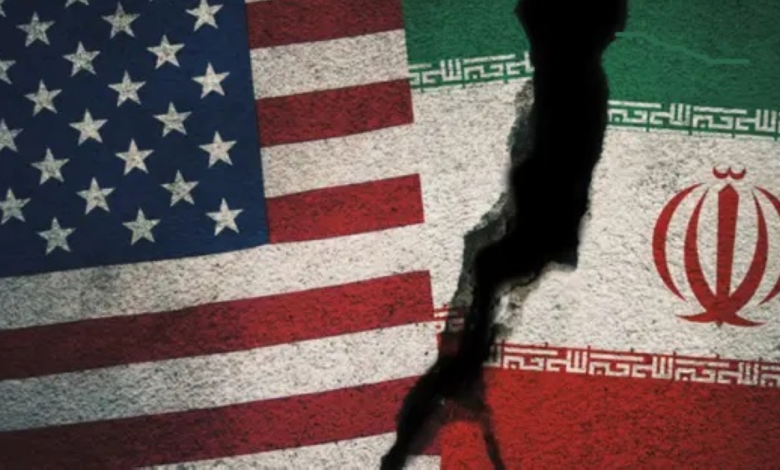

إعلان أمريكي عن إحباط عملية معقدة
أعلنت وزارة الخارجية الأمريكية عن نجاحها في تفكيك شبكة دولية معقدة كانت تعمل على شراء وتهريب تقنيات دفاعية وأمنية حساسة من الولايات المتحدة إلى إيران. وفي بيان رسمي، أوضحت الوزارة أن هذه الشبكة، التي كان يقودها المواطن الإيراني علي مجد سهر، استخدمت أساليب احتيالية متطورة للتحايل على العقوبات الأمريكية والوصول إلى مكونات تكنولوجية حيوية لدعم القطاع العسكري الإيراني.
ووفقًا للتفاصيل التي كشفت عنها السلطات الأمريكية، قامت الشبكة بانتحال صفة شركات أمريكية شرعية وإنشاء مواقع إلكترونية مزيفة لخداع عشرات الشركات المصنعة في الولايات المتحدة. وقد نجحت من خلال هذه العمليات في الاستحواذ على معدات تقدر قيمتها بملايين الدولارات، بما في ذلك أجهزة تحليل الطيف ومعدات كشف أمني متطورة، وهي مكونات أساسية في أنظمة الحرب الإلكترونية والاتصالات العسكرية.
خلفية الصراع التقني بين واشنطن وطهران
تأتي هذه العملية في سياق صراع طويل الأمد بين إيران والدول الغربية، وعلى رأسها الولايات المتحدة، التي تفرض عقوبات صارمة على طهران بهدف الحد من برامجها النووية والصاروخية وأنشطتها الإقليمية. منذ عقود، تسعى إيران إلى تجاوز هذه العقوبات عبر بناء شبكات سرية للحصول على التكنولوجيا والمواد ذات الاستخدام المزدوج (المدني والعسكري) من الأسواق الدولية. وتعتبر هذه الشبكات شريان حياة لبرامجها العسكرية، خاصة في مجال تطوير الطائرات بدون طيار، والصواريخ الباليستية، وقدرات الحرب السيبرانية، التي تشكل تهديدًا للاستقرار في منطقة الشرق الأوسط.
الأهمية والتأثيرات المحتملة
يمثل تفكيك هذه الشبكة ضربة مهمة للجهود الإيرانية الرامية إلى تحديث ترسانتها العسكرية بشكل غير مشروع. على المستوى الدولي، تبعث هذه الخطوة برسالة حازمة من واشنطن بأنها لن تتهاون في تطبيق عقوباتها وستلاحق الأفراد والكيانات التي تحاول انتهاكها. أما على الصعيد الإقليمي، فإن إعاقة وصول إيران إلى هذه التقنيات الحساسة قد يحد من قدرتها على دعم وكلائها في المنطقة وتزويدهم بأسلحة متطورة، مما قد يساهم في خفض التوترات. داخليًا، تكشف العملية عن نقاط ضعف في آليات الشراء الإيرانية وتجبرها على البحث عن طرق بديلة وأكثر تكلفة وتعقيدًا لتحقيق أهدافها.
جزء من استراتيجية ضغط أوسع
تندرج هذه العملية ضمن استراتيجية “الضغط الأقصى” التي تتبعها الإدارات الأمريكية المتعاقبة تجاه إيران. وتهدف هذه الاستراتيجية إلى تقويض القدرات المالية والعسكرية للنظام الإيراني لإجباره على تغيير سلوكه. ويتزامن هذا الإعلان مع عرض وزارة الخارجية الأمريكية مكافأة مالية تصل إلى 15 مليون دولار ضمن برنامج “مكافآت من أجل العدالة”، لمن يقدم معلومات تساعد في تعطيل الآليات المالية للحرس الثوري الإيراني، مما يؤكد على النهج متعدد الأوجه الذي تتبعه واشنطن لمواجهة الأنشطة الإيرانية التي تعتبرها مزعزعة للاستقرار.