
Unprecedented US move towards energy markets
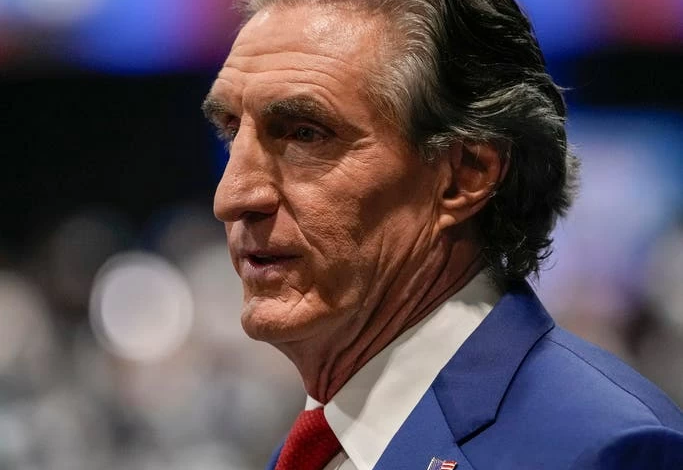
Amid unprecedented geopolitical tensions, attention is turning to the US administration to explore ways to control global energy markets. US Interior Secretary Doug Burgon announced that President Donald Trump's administration has already discussed the possibility of direct intervention in the oil futures market. This extraordinary move comes as a preemptive step to curb the sharp and sudden rise in crude oil prices, coinciding with escalating conflict and tensions with Iran. In an exclusive interview with Bloomberg, Burgon confirmed that this bold idea has been discussed within the administration, noting that any government intervention to lower prices would require a massive capital injection. He did not confirm whether Washington has already begun taking practical steps in this direction.
Historical context and importance of the Strait of Hormuz
To understand the dimensions of this trend, one must consider the broader context and historical background of the event. Historically, the United States has relied on its Strategic Petroleum Reserve as a primary tool to stabilize markets during supply shocks. However, the idea of direct intervention in oil futures contracts represents a radical shift in economic policy. This sensitivity to oil prices stems from past energy crises, where Washington recognized that any disruption to Middle Eastern supplies could cripple the global economy. Today, the scenario is repeating itself with Iran's persistent threats to close the Strait of Hormuz, the world's most strategically important waterway, through which approximately 20% of global energy supplies pass. Any disruption to the passage of ships and oil tankers through this strait would mean a devastating energy crisis.
Warnings of a financial catastrophe in derivatives markets
On the financial front, this news was met with considerable concern among investors. The head of CME Group, the world's largest derivatives exchange, issued a stark warning that direct government intervention in derivatives markets could have disastrous consequences. Experts emphasized that free markets strongly oppose government interference in pricing mechanisms, as oil futures contracts are priced according to supply and demand. Government intervention could distort these mechanisms, creating price bubbles or driving market makers out of the market.
Expected impacts locally and internationally
As for the significance of the event and its anticipated impact, it extends to local, regional, and international dimensions. Domestically, in the United States, the rise in oil prices and Brent crude's approach to the $120 per barrel mark poses a direct threat to consumers, immediately impacting fuel prices and increasing inflation. Internationally, the impact is not limited to oil alone, but extends to natural gas markets. Gas prices, particularly European gas, witnessed sharp increases in the initial days of escalating tensions. This surge stems from Europe's heavy reliance on gas supplies from the region. Consequently, any intervention in oil futures contracts would set an economic precedent that could reshape the rules of energy markets for decades to come.