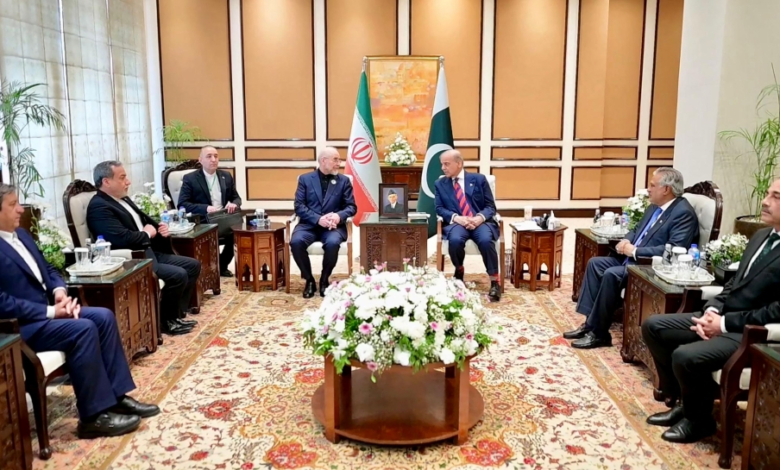

تفاصيل المباحثات الأمريكية الإيرانية المباشرة في إسلام آباد
أعلن البيت الأبيض في تطور دبلوماسي لافت، عن عقد مباحثات أمريكية إيرانية بمشاركة باكستانية، في العاصمة إسلام آباد. وقد اتخذت هذه المفاوضات طابعاً ثلاثياً مباشراً “وجهاً لوجه”، مما يمثل تحولاً جذرياً في مسار العلاقات الدبلوماسية بين واشنطن وطهران، ويفتح الباب أمام مرحلة جديدة من التعاطي السياسي مع ملفات الشرق الأوسط المعقدة.
وأوضح مسؤول رفيع المستوى في الإدارة الأمريكية أن الأطراف الثلاثة جلست على طاولة واحدة في العاصمة الباكستانية يوم السبت. ويأتي هذا اللقاء المباشر على النقيض تماماً من جولات المفاوضات السابقة التي جرت خلال الأشهر والسنوات الماضية، حيث كانت تعتمد بشكل كلي على وسطاء ينقلون الرسائل بين الوفدين اللذين كانا يجلسان في غرف منفصلة، كما حدث مراراً في عواصم خليجية وأوروبية.
تشكيل الوفد الأمريكي ودلالاته السياسية
أكد البيت الأبيض أن الوفد الأمريكي المشارك في هذه المباحثات كان رفيع المستوى وذو ثقل سياسي كبير، حيث ضم نائب الرئيس الأمريكي جاي دي فانس، والمبعوث الخاص ستيف ويتكوف، بالإضافة إلى جاريد كوشنر، صهر الرئيس دونالد ترامب والذي لعب أدواراً محورية في صياغة سياسات الشرق الأوسط سابقاً. وفي المقابل، لم يتم الكشف رسمياً عن أسماء ومناصب المشاركين من الجانبين الإيراني والباكستاني حتى الآن، مما يضفي طابعاً من السرية على تفاصيل الملفات الحساسة المطروحة للنقاش.
السياق التاريخي للعلاقات بين واشنطن وطهران
تأتي هذه الخطوة في ظل تاريخ طويل من التوتر والقطيعة الدبلوماسية بين الولايات المتحدة وإيران منذ عام 1979. وقد شهدت العلاقات محطات شديدة التعقيد، أبرزها توقيع الاتفاق النووي عام 2015، ثم انسحاب إدارة ترامب منه في عام 2018 وتطبيق سياسة “الضغوط القصوى”. طوال تلك الفترة، لعبت دول إقليمية دور الوسيط لتخفيف حدة التوتر ومنع الانزلاق نحو مواجهة عسكرية. وتبرز أهمية باكستان في هذا السياق كدولة جارة لإيران تمتلك حدوداً مشتركة ومصالح أمنية متبادلة، وفي الوقت نفسه تعد حليفاً استراتيجياً للولايات المتحدة، مما يؤهلها للعب دور محوري في تقريب وجهات النظر وتوفير منصة محايدة وآمنة للحوار المباشر.
التأثير المتوقع للمفاوضات إقليمياً ودولياً
تحمل أي مباحثات أمريكية إيرانية مباشرة أهمية بالغة وتأثيرات واسعة النطاق تتجاوز حدود الدولتين. على الصعيد الإقليمي والمحلي، من شأن هذا الحوار أن يساهم في خفض التصعيد في منطقة الشرق الأوسط، خاصة فيما يتعلق بأمن الملاحة في مضيق هرمز والخليج العربي والبحر الأحمر، وهي ممرات حيوية تعتمد عليها حركة التجارة العالمية. أما على الصعيد الدولي، فإن نجاح هذه المفاوضات أو حتى استمرارها قد ينعكس إيجاباً على استقرار أسواق النفط والطاقة العالمية. كما يشير هذا التحرك إلى نهج براغماتي في السياسة الخارجية يهدف إلى حل الأزمات المستعصية عبر الدبلوماسية المباشرة، مما قد يعيد تشكيل التحالفات والتوازنات الجيوسياسية في المنطقة خلال المرحلة المقبلة.