
تصاعد التوترات في ممر ملاحي حيوي
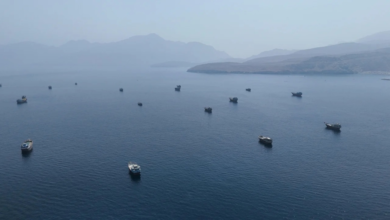
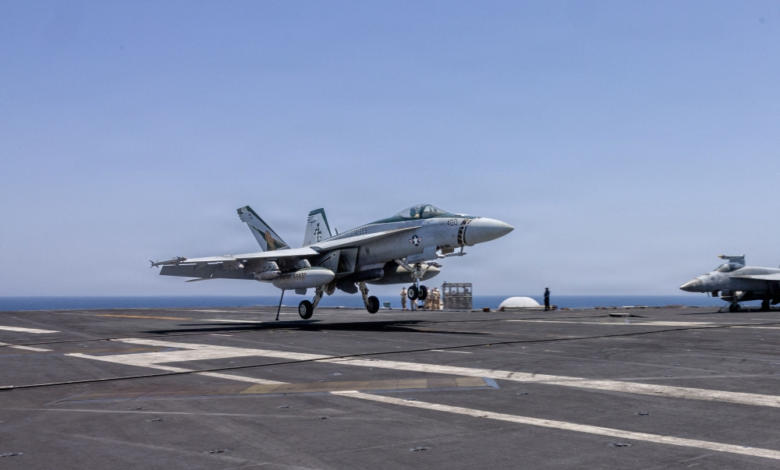
شهدت منطقة مضيق هرمز الاستراتيجية تصعيداً عسكرياً خطيراً، حيث أعلن الجيش الأمريكي عن تنفيذه ضربات جوية استهدفت منشآت عسكرية إيرانية. جاء هذا الرد الأمريكي بعد هجوم استهدف ثلاث مدمرات تابعة للبحرية الأمريكية كانت تبحر في الممر المائي الحيوي، الذي يعد شرياناً رئيسياً لإمدادات الطاقة العالمية. في المقابل، اتهمت طهران واشنطن بخرق هدنة هشة كانت قائمة بين الطرفين، مشيرة إلى أن القوات الأمريكية هاجمت سفينتين في المضيق وشنت غارات على مناطق مدنية في جنوب البلاد، مما ينذر بانهيار جهود التهدئة ويدفع المنطقة نحو مواجهة أوسع.
سياق الصراع: جذور التوتر الأمريكي الإيراني
تعود جذور التوتر الحالي إلى عقود من العلاقات العدائية بين الولايات المتحدة وإيران، والتي تفاقمت بشكل كبير بعد قرار إدارة الرئيس السابق دونالد ترامب في عام 2018 بالانسحاب من الاتفاق النووي (خطة العمل الشاملة المشتركة) وإعادة فرض عقوبات اقتصادية قاسية ضمن سياسة “الضغط الأقصى”. هذه السياسة أدت إلى سلسلة من الحوادث والمواجهات في مياه الخليج، بما في ذلك هجمات على ناقلات نفط واحتجاز سفن، حيث يمثل مضيق هرمز نقطة احتكاك دائمة نظراً لأهميته الاستراتيجية التي لا تضاهى، إذ يمر عبره ما يقرب من خُمس استهلاك النفط العالمي.
أهمية الحدث وتأثيره المتوقع
يحمل هذا التصعيد الأخير تداعيات بالغة الخطورة على الصعيدين الإقليمي والدولي. فعلى المستوى الإقليمي، يهدد القصف المتبادل بإشعال حرب واسعة النطاق قد تجر إليها دول الخليج وإسرائيل، مما يعيد رسم خريطة التحالفات ويزعزع استقرار منطقة تعاني أصلاً من صراعات متعددة. أما على الصعيد الدولي، فإن أي اضطراب في الملاحة عبر مضيق هرمز يؤدي حتماً إلى ارتفاع فوري وحاد في أسعار النفط العالمية، وهو ما ينعكس سلباً على الاقتصاد العالمي الذي لا يزال يتعافى من أزمات متلاحقة. كما يضع هذا التصعيد ضغوطاً هائلة على الجهود الدبلوماسية التي تبذلها أطراف دولية وإقليمية، مثل باكستان، لنزع فتيل الأزمة.
تبادل الاتهامات وتهديدات ترامب
في خضم هذه التطورات، هدد الرئيس دونالد ترامب بشن ضربات “أكثر عنفاً” ضد إيران إذا لم تلتزم طهران بالتوصل إلى اتفاق دبلوماسي بشكل عاجل. وفي تدوينة له عبر منصة “تروث سوشال”، أكد ترامب أن المدمرات الأمريكية لم تتعرض لأضرار، لكنه أشار إلى أن المهاجمين الإيرانيين تكبدوا خسائر فادحة. من جانبها، أعلنت القيادة المركزية الأمريكية (سنتكوم) أن القوات الإيرانية استخدمت صواريخ وطائرات مسيرة وقوارب صغيرة في هجومها، مؤكدة أن القوات الأمريكية نجحت في “تحييد التهديدات” وتوجيه ضربات للمنشآت الإيرانية المسؤولة عن الهجوم.
الرواية الإيرانية والرد العسكري
على الجانب الآخر، قدمت إيران رواية مختلفة تماماً. فقد اتهم مقر “خاتم الأنبياء”، وهو غرفة العمليات المركزية للقوات المسلحة الإيرانية، الولايات المتحدة بانتهاك وقف إطلاق النار عبر استهداف ناقلة نفط إيرانية وسفينة أخرى في المضيق، بالإضافة إلى شن غارات على مناطق مدنية. وأكد البيان الإيراني أن قواته ردت على الفور باستهداف سفن حربية أمريكية، ملحقة بها “أضراراً بالغة”، وتوعدت برد “ساحق” على أي اعتداء جديد دون تردد.
مستقبل غامض للمفاوضات
يأتي هذا الاشتباك العسكري في وقت حرج كانت فيه المحادثات الدبلوماسية، بوساطة باكستانية، قد أحرزت بعض التقدم. وكان الرئيس الأمريكي قد أشار إلى “محادثات جيدة جداً”، مبدياً تفاؤله بإمكانية التوصل إلى اتفاق. إلا أن هذا التصعيد يلقي بظلال من الشك على مستقبل هذه الجهود، خاصة مع تشكك الكثيرين في إيران بجدوى التفاوض مع واشنطن، في ظل تعرض بلادهم للقصف مرتين خلال مسار المحادثات. ويبقى الوضع متأرجحاً بين فرصة ضئيلة للدبلوماسية وخطر الانزلاق إلى مواجهة شاملة.