
تفاصيل العرض الأمريكي النهائي لإيران
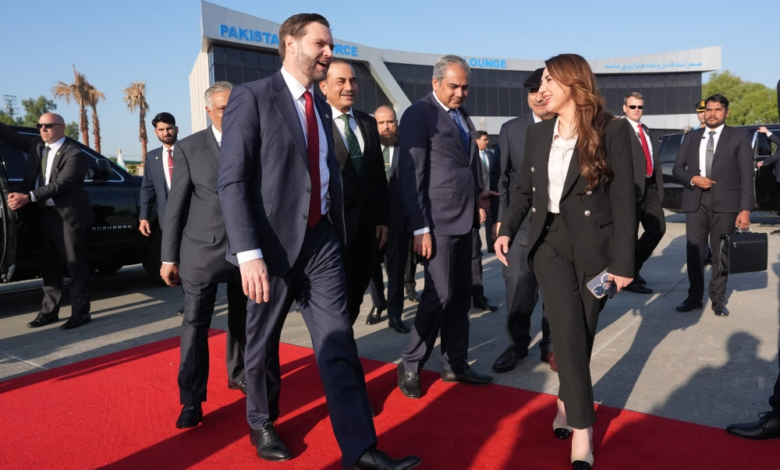
أعلن نائب الرئيس الأمريكي، جاي دي فانس، يوم الأحد، أن الجولة الماراثونية من المحادثات مع إيران، والتي استمرت لمدة 21 ساعة متواصلة في العاصمة الباكستانية إسلام آباد، لم تسفر عن التوصل إلى اتفاق نهائي. وأشار فانس في تصريحاته للصحفيين إلى أنه سيغادر باكستان بعد أن قدم للوفد الإيراني ما وصفه بـ “العرض النهائي والأفضل”. وفي خطوة تهدف إلى إفساح المجال للدبلوماسية، تضمنت تصريحات فانس إشارة واضحة إلى منح طهران مهلة زمنية كافية لدراسة العرض، حيث أعلنت الولايات المتحدة يوم الثلاثاء الماضي عن تعليق هجماتها العسكرية لمدة أسبوعين، في انتظار الرد الإيراني الحاسم على مخرجات هذه المفاوضات.
السياق التاريخي: أزمة الثقة والملف النووي
تأتي هذه المحادثات المعقدة في ظل تاريخ طويل من التوترات بين واشنطن وطهران، تعمقت جذورها بشكل كبير منذ انسحاب الولايات المتحدة الأحادي من الاتفاق النووي في عام 2018. منذ ذلك الحين، فرضت واشنطن عقوبات اقتصادية قاسية، بينما ردت طهران بتقليص التزاماتها النووية وزيادة نسب تخصيب اليورانيوم. هذا السياق التاريخي المليء بأزمات الثقة يجعل من أي جولة تفاوضية جديدة تحدياً بالغ الصعوبة، حيث يسعى كل طرف لضمان مصالحه الاستراتيجية دون تقديم تنازلات مجانية.
الأسلحة النووية: نقطة الخلاف الجوهرية
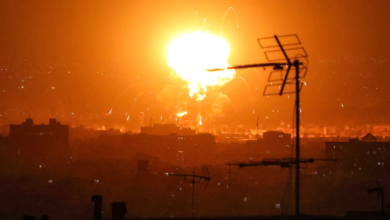
أوضح فانس أن الخلاف الأساسي والجوهري على طاولة المفاوضات يتمحور حول برنامج الأسلحة النووية. ففي حين تصر القيادة الإيرانية باستمرار على أن برنامجها مخصص للأغراض السلمية وأنها لا تسعى لامتلاك قنبلة ذرية، تقف الولايات المتحدة وإسرائيل موقف المشكك. وقد تجلى هذا التوتر في التصعيد العسكري الأخير، حيث قصفت القوات الأمريكية والإسرائيلية منشآت إيرانية حساسة خلال الحرب التي اندلعت في 28 فبراير، بالإضافة إلى الضربات التي تمت خلال حرب الـ 12 يوماً في العام الماضي. وقال فانس مشدداً: “الحقيقة البسيطة هي أننا بحاجة إلى التزام أكيد وواضح بأنهم لن يسعوا إلى امتلاك سلاح نووي، ولن يمتلكوا الأدوات التي تمكنهم من صناعته بسرعة”. وأضاف متسائلاً عن مدى جدية الإيرانيين على المدى الطويل، مؤكداً أن واشنطن لم تلمس هذا الالتزام حتى الآن.
مضيق هرمز: شريان الطاقة والاقتصاد العالمي
إلى جانب الملف النووي، تبرز قضية استراتيجية أخرى ذات أبعاد اقتصادية عالمية، وهي إعادة فتح مضيق هرمز. ورغم أن فانس لم يسلط الضوء بشكل مكثف على هذه النقطة في تصريحاته المقتضبة، إلا أن المضيق يُعد أحد أهم الممرات المائية الاستراتيجية في العالم، حيث يمر عبره نحو خُمس إنتاج النفط العالمي. إن أي إغلاق أو تهديد للملاحة في هذا المضيق ينعكس فوراً على أسعار الطاقة العالمية، مما يهدد بموجات تضخم تضرب الاقتصادات الكبرى والناشئة على حد سواء. لذا، يشكل ضمان حرية الملاحة في هرمز مطلباً أمريكياً ودولياً لا يمكن التهاون فيه.
التداعيات الإقليمية والدولية
تحمل نتيجة هذه المفاوضات تداعيات هائلة على المستويين الإقليمي والدولي. فنجاح الاتفاق قد يؤدي إلى تهدئة بؤر التوتر في الشرق الأوسط، واستقرار أسواق الطاقة، وتجنيب المنطقة ويلات حرب إقليمية شاملة. في المقابل، فإن فشل المحادثات بعد انقضاء مهلة الأسبوعين قد يفتح الباب أمام تصعيد عسكري غير مسبوق، مما سيؤثر على أمن الملاحة البحرية، ويزيد من تعقيد الأزمات الجيوسياسية في المنطقة.
موقف الإدارة الأمريكية وتوجيهات ترامب
في ختام تصريحاته، تطرق فانس إلى موقف الرئيس دونالد ترامب من هذه الجولة التفاوضية. وأشار إلى أن ترامب، الذي صرح في واشنطن بعدم اكتراثه الكبير بنتيجة المفاوضات سواء تم التوصل لاتفاق أم لا، كان قد وجه الوفد بالتحلي بالمرونة. ونقل فانس عن الرئيس قوله: “عليكم أن تأتوا إلى هنا بحسن نية وأن تبذلوا قصارى جهدكم للتوصل إلى اتفاق”. وختم فانس حديثه بأسف قائلاً: “لقد فعلنا ذلك، وكنا متعاونين للغاية، ولكن للأسف لم نتمكن من إحراز أي تقدم ملموس حتى اللحظة”.