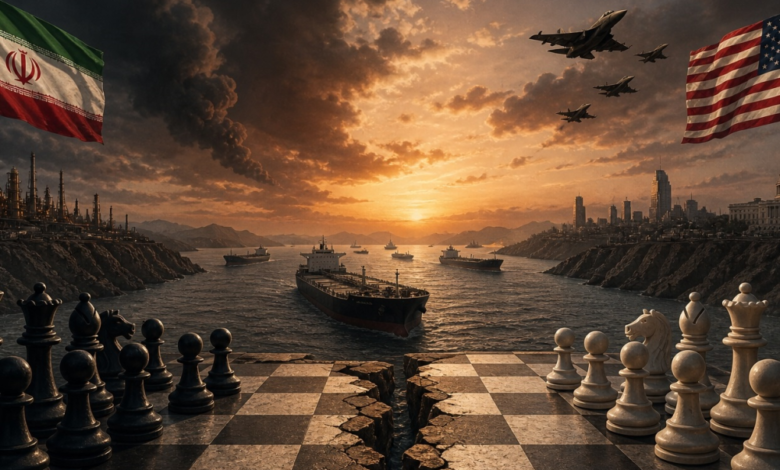

كشف موقع “أكسيوس” الإخباري نقلاً عن مصادر أمريكية وإقليمية، عن توصل المفاوضين الأمريكيين والإيرانيين إلى تفاهم مبدئي بشأن هدنة مؤقتة لمدة 60 يومًا. ويهدف هذا الاتفاق، الذي وُصف بأنه “مذكرة تفاهم”، إلى وقف التصعيد المتبادل وتهيئة الأجواء لبدء جولة جديدة من المفاوضات المكثفة حول البرنامج النووي الإيراني المثير للجدل.
ووفقًا للتقرير، فإن هذه المذكرة لم تحظَ بعد بالموافقة النهائية من القيادة السياسية في واشنطن، لكنها تمثل في حال إقرارها أهم اختراق دبلوماسي بين البلدين منذ سنوات. ويأتي هذا التطور في سياق جهود وساطة إقليمية مكثفة تهدف إلى نزع فتيل التوتر الذي هدد مرارًا باندلاع مواجهة عسكرية مباشرة في منطقة الخليج العربي.
خلفية تاريخية من التوتر والمفاوضات
تعود جذور التوتر الحالي إلى قرار الإدارة الأمريكية السابقة في عام 2018 بالانسحاب من الاتفاق النووي (خطة العمل الشاملة المشتركة – JCPOA) الذي تم توقيعه عام 2015. كان هذا الاتفاق يهدف إلى تقييد قدرات إيران النووية مقابل رفع العقوبات الاقتصادية عنها. أدى الانسحاب الأمريكي وإعادة فرض سياسة “الضغوط القصوى” إلى رد فعل إيراني تمثل في التراجع التدريجي عن التزاماتها النووية وزيادة مستويات تخصيب اليورانيوم، مما أثار قلق القوى الدولية والوكالة الدولية للطاقة الذرية.
أهمية الاتفاق وتأثيره المحتمل
يحمل هذا الاتفاق المبدئي أهمية استراتيجية كبرى على عدة مستويات:
- على المستوى الإقليمي: يمكن أن يؤدي خفض التصعيد بين واشنطن وطهران إلى استقرار نسبي في منطقة الشرق الأوسط. فلطالما كانت دول الخليج العربي تشعر بالقلق من تداعيات أي مواجهة عسكرية، والتي من شأنها أن تهدد أمن الطاقة العالمي عبر تعطيل الملاحة في مضيق هرمز الاستراتيجي. كما قد ينعكس هذا التهدئة إيجابًا على ملفات إقليمية أخرى تشهد تنافسًا بين الطرفين، مثل اليمن وسوريا والعراق.
- على المستوى الدولي: يمثل الاتفاق خطوة أولى نحو إعادة إحياء المسار الدبلوماسي كحل لأزمة الملف النووي الإيراني، وهو ما تدعمه القوى الأوروبية وروسيا والصين. إن نجاح هذه الهدنة في تمهيد الطريق لمفاوضات جادة قد يمنع سباق تسلح نووي في المنطقة ويحافظ على نظام منع الانتشار النووي العالمي.
- على المستوى الداخلي (إيران والولايات المتحدة): بالنسبة لإيران، قد يوفر الاتفاق متنفساً لاقتصادها الذي يعاني بشدة تحت وطأة العقوبات. أما بالنسبة للإدارة الأمريكية، فيعتبر تحقيق اختراق دبلوماسي نجاحًا في سياستها الخارجية، خاصة في ظل التحديات العالمية الأخرى.
على الرغم من هذه المؤشرات الإيجابية، لا يزال الطريق نحو التوصل إلى اتفاق نهائي وشامل طويلاً ومحفوفًا بالتحديات، حيث يتطلب مفاوضات معقدة وتنازلات من كلا الجانبين لبناء الثقة المفقودة ومعالجة كافة القضايا العالقة.