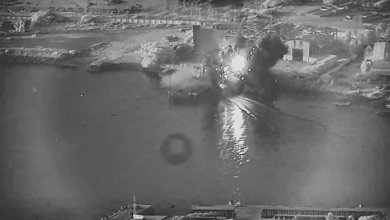

أعلنت القيادة المركزية الأمريكية (سينتكوم) يوم الأحد أنها نفذت ضربات دفاعية استهدفت أنظمة رادار ومواقع للتحكم بالطائرات المسيّرة في جنوب إيران خلال نهاية الأسبوع. وتأتي هذه العملية العسكرية المباشرة في سياق تصاعد التوترات بين واشنطن وطهران، حيث يمثل هذا الإجراء رداً مباشراً على إسقاط طائرة مسيّرة أمريكية من طراز “إم كيو-1”. ويشكل هذا التطور، الذي يتضمن قصف رادارات في إيران، منعطفاً خطيراً في المواجهة المستمرة بين البلدين، ناقلاً الصراع من استهداف وكلاء إيران في المنطقة إلى ضرب أهداف داخل الأراضي الإيرانية نفسها.
خلفيات التصعيد وتفاصيل العملية الأمريكية
في بيان نُشر على منصة “إكس”، أوضحت القيادة المركزية الأمريكية أن قواتها نفذت ضربات دفاعية دقيقة على أنظمة رادار ومواقع للتحكم بالطائرات المسيّرة في منطقتي جوروك وجزيرة قشم الإيرانيتين. وأكد البيان أن هذه الضربات جاءت كرد فعل مباشر على الأنشطة الإيرانية العدائية التي استهدفت الأصول الأمريكية في المنطقة. وتعتبر هذه المواقع المستهدفة ذات أهمية استراتيجية لإيران، حيث تساهم في مراقبة الملاحة البحرية في مضيق هرمز الحيوي، بالإضافة إلى تسهيل عمليات الطائرات بدون طيار التي تستخدمها إيران ووكلائها لزعزعة استقرار المنطقة.
يأتي هذا الهجوم في أعقاب سلسلة من الحوادث التي شهدتها المنطقة خلال الأشهر الأخيرة، بما في ذلك هجمات الحوثيين المدعومين من إيران على السفن التجارية في البحر الأحمر وخليج عدن، وهجمات الميليشيات الموالية لإيران على القواعد التي تستضيف قوات أمريكية في العراق وسوريا. وقد تعهدت إدارة الرئيس جو بايدن بالرد بحزم على أي هجوم يستهدف القوات أو المصالح الأمريكية، مع التأكيد على أنها لا تسعى إلى حرب شاملة مع إيران.
تداعيات استهداف مواقع إيرانية وتأثيره على استقرار المنطقة
من جانبه، أعلن الحرس الثوري الإيراني أنه استهدف قاعدة أمريكية لم يحدد موقعها، زاعماً أنها كانت تُستخدم لشن ضربات ضد إيران. هذا الرد، الذي نقله التلفزيون الرسمي الإيراني، يؤكد على طبيعة “الرد والرد المقابل” التي تتسم بها المواجهة الحالية، مما يثير مخاوف جدية من انزلاق الوضع إلى صراع أوسع نطاقاً قد يشمل دولاً أخرى في الخليج. إن استهداف الأراضي الإيرانية بشكل مباشر يرفع منسوب المخاطر بشكل كبير، حيث قد يدفع طهران إلى اتخاذ إجراءات انتقامية أكثر جرأة، سواء بشكل مباشر أو عبر شبكة وكلائها المنتشرة في الشرق الأوسط.
يراقب المجتمع الدولي ودول الجوار هذا التصعيد بقلق بالغ، خشية أن يؤدي إلى تعطيل إمدادات الطاقة العالمية عبر مضيق هرمز، الذي يمر عبره خُمس استهلاك النفط العالمي. وتؤكد هذه الضربات على أن التوازن الهش في المنطقة لا يزال على المحك، وأن أي حسابات خاطئة من أي من الطرفين قد تكون لها عواقب وخيمة على الأمن والسلم الإقليمي والدولي.