Washington seizes seventh oil tanker in the Caribbean as part of Venezuela blockade

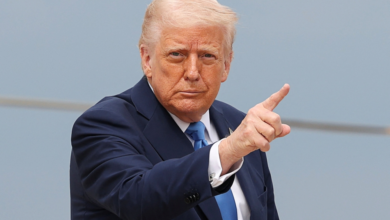
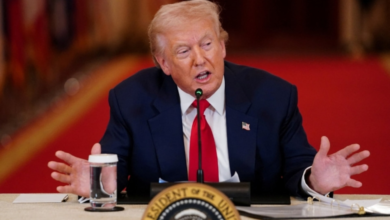
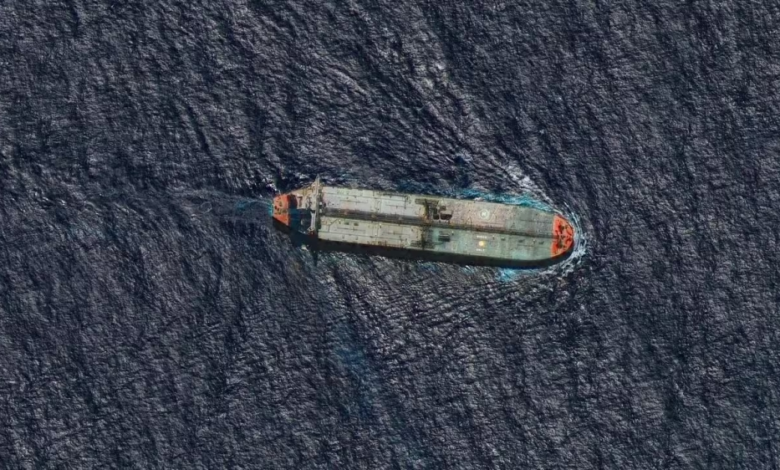
In a new escalation of geopolitical tensions in the Caribbean, the United States officially announced that its naval forces had seized another oil tanker, bringing the number of seized vessels to seven since President Donald Trump announced a strict naval blockade aimed at preventing sanctioned ships from dealing with Venezuela, whether by transporting oil to or from it.
The United States Southern Command (SOUTHCOM) confirmed in an official statement published on the X platform on Tuesday that the vessel, named Sagitta, was intercepted and detained "without incident." The statement indicated that the ship was "defying the embargo imposed by President Trump," and included aerial video documenting the vessel's interception at sea, emphasizing Washington's message that "the only oil that will leave Venezuela is that which is properly and legally coordinated.".
Context of sanctions and historical background
These developments come in the context of the US administration's "maximum pressure" campaign against Caracas. The roots of this conflict lie in the stringent economic sanctions imposed by Washington on Venezuela's oil sector, the lifeblood of the country's economy, given that Venezuela possesses the world's largest proven oil reserves. These US measures aim to cut off the regime's funding sources and isolate it internationally, leading to a sharp decline in Venezuelan oil exports and exacerbating the internal economic crisis.
Of the seven ships seized since the blockade began last December, the seizure of a Russian-linked tanker in the North Atlantic earlier this month stood out. It was taken over after a dramatic chase while en route to Venezuela, even though it was not carrying any oil cargo at the time, reflecting the strictness of the US enforcement of the maritime embargo.
Military deployment and security dimensions
To reinforce this blockade, Washington is deploying a massive naval force in the Caribbean, including destroyers, coast guard vessels, and reconnaissance aircraft. While the United States claims these forces are also targeting drug trafficking and striking suspicious vessels, observers believe the strategic objective is to tighten control over Venezuelan ports.
In a related development, the source noted that US special forces conducted a swift operation in Caracas on January 3rd, resulting in the capture of President Nicolás Maduro—a development representing the culmination of direct escalation. President Trump has repeatedly stated that Venezuelan oil is now under complete US control, announcing the seizure and sale of quantities of it. Venezuelan authorities, however, deny losing control, asserting that the state-owned oil company, PDVSA, continues to manage the resources and negotiate sales, leaving the situation open to all possibilities.