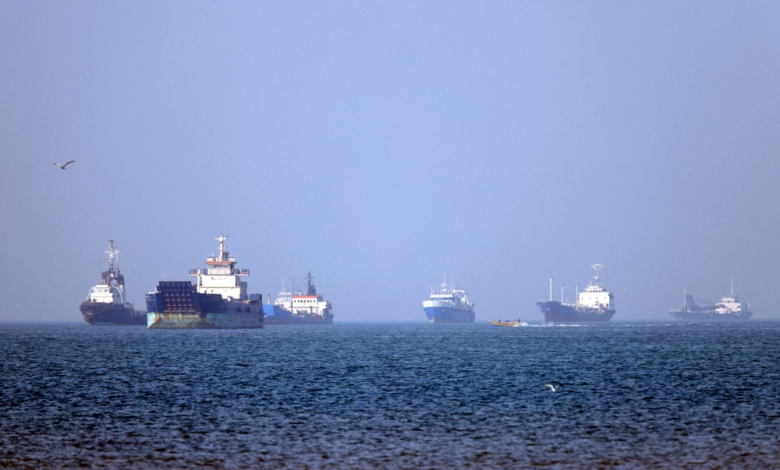

في ظل تصاعد التوترات في منطقة الخليج العربي، وجهت وزارة الخارجية الأمريكية تحذيرًا شديد اللهجة إلى إيران، مؤكدةً أن أي محاولة لفرض السيطرة على مضيق هرمز، الممر المائي الحيوي للتجارة العالمية، هو أمر “غير مقبول” على الإطلاق. جاء هذا الموقف ردًا على تقارير وتحركات إيرانية تشير إلى سعي طهران لتعزيز نفوذها العسكري في هذا الشريان الملاحي الاستراتيجي.
مضيق هرمز: شريان النفط العالمي في قلب التوتر
يكتسب مضيق هرمز أهمية استراتيجية واقتصادية بالغة، حيث يمر عبره ما يقرب من خُمس استهلاك النفط العالمي يوميًا، مما يجعله نقطة الاختناق الأكثر أهمية في العالم لإمدادات الطاقة. تاريخيًا، كان المضيق مسرحًا للعديد من المواجهات والتوترات، خاصة بين إيران والولايات المتحدة. وقد تصاعدت هذه التوترات بشكل ملحوظ بعد انسحاب إدارة الرئيس السابق دونالد ترامب من الاتفاق النووي الإيراني في عام 2018 وإعادة فرض عقوبات اقتصادية قاسية على طهران، ضمن ما عُرف بسياسة “الضغط الأقصى”. ردًا على ذلك، لوحت إيران مرارًا بورقة إغلاق المضيق أو عرقلة الملاحة فيه، كوسيلة للضغط على المجتمع الدولي.
تصعيد متبادل وهجمات على السفن
شهدت الفترة الأخيرة سلسلة من الحوادث الخطيرة التي زادت من سخونة الموقف. حيث أعلن الجيش الأمريكي عن تنفيذه ضربات استهدفت مواقع عسكرية إيرانية، وذلك ردًا على هجمات استهدفت مدمرات أمريكية في مياه المضيق. وفي هذا السياق، أكد الرئيس الأمريكي آنذاك، دونالد ترامب، أن وقف إطلاق النار مع إيران لا يزال قائمًا، لكنه حذر من أن أي استفزاز سيقابل برد حاسم، واصفًا الهجمات الإيرانية بأنها “لعب بالنار”. من جانبها، اتهمت طهران واشنطن بانتهاك الاتفاقات القائمة وشن هجمات على مناطق مدنية، نافيةً مسؤوليتها عن الهجمات التي استهدفت ناقلات نفط وسفن تجارية في المنطقة، والتي ألقت واشنطن باللوم فيها على الحرس الثوري الإيراني.
تداعيات إقليمية ودولية واسعة
إن أي اضطراب في حرية الملاحة بمضيق هرمز لا يهدد فقط الولايات المتحدة وإيران، بل يمتد تأثيره ليشمل الاقتصاد العالمي بأسره. فارتفاع المخاطر يؤدي إلى زيادة تكاليف التأمين على الشحن، وقد يتسبب في ارتفاع حاد في أسعار النفط العالمية، مما يؤثر سلبًا على الدول المستهلكة للطاقة في آسيا وأوروبا. على الصعيد الإقليمي، تثير هذه التوترات قلق دول الخليج العربي التي تعتمد بشكل كبير على هذا الممر لتصدير نفطها. ودوليًا، تسعى القوى الكبرى إلى تجنب اندلاع مواجهة عسكرية شاملة قد تزعزع استقرار منطقة الشرق الأوسط بأكملها، وتدعو باستمرار إلى ضبط النفس والحوار لخفض التصعيد وضمان أمن الممرات المائية الدولية.