The arrival of the aircraft carrier Lincoln in the Middle East and Trump's statements

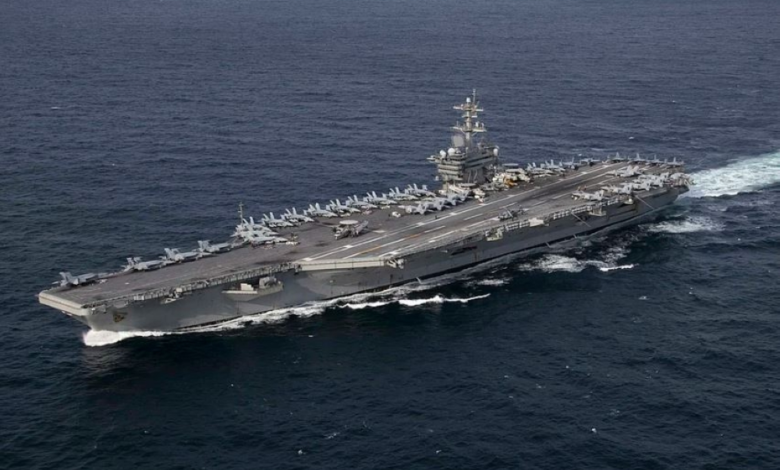
The U.S. Central Command (CENTCOM) announced on Monday the arrival of the aircraft carrier USS Abraham Lincoln and its accompanying strike group in the Middle East. This strategic move is part of an effort to bolster the U.S. military presence and enhance combat readiness in the region, coinciding with escalating diplomatic and military tensions with Iran.
In an official statement published via the “X” platform, the Central Command confirmed that the deployment of the strike group is primarily aimed at “enhancing regional security and stability” and ensuring freedom of navigation in vital waterways that form a major artery for the global economy.
Immense military capabilities and deterrent messages
The nuclear-powered aircraft carrier USS Abraham Lincoln, a Nimitz-class vessel, serves as a floating airbase with formidable offensive and defensive capabilities. Its strike group typically includes guided-missile cruisers, destroyers, and attack submarines, along with a sophisticated air wing comprising fighters, bombers, and reconnaissance aircraft. Strategic analysts interpret this military buildup as a direct deterrent against any potential threats to US interests or those of its allies in the region, particularly given the escalating tensions between Washington and Tehran.
Political context: Trump and his aggressive foreign policy
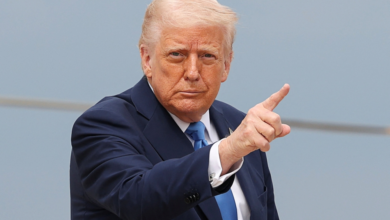
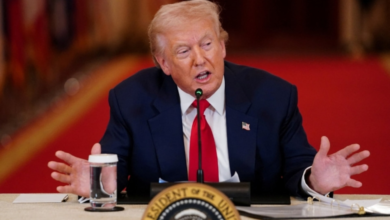
On the political front, this military move coincides with fiery statements by US President Donald Trump, who has adopted an unconventional approach to foreign policy. Trump recently stated that he no longer feels "obligated to work solely for peace," expressing his displeasure at not being awarded the Nobel Peace Prize. In a controversial letter published on Monday, the US president linked global security to US geopolitical ambitions, emphasizing that the world will not be secure as long as Greenland is not under US sovereignty—a clear indication of his desire to expand American influence.
Economic repercussions and tension with Europe
Tensions were not limited to the military sphere in the Middle East; they extended to European allies as well. European financial markets and stock exchanges experienced a significant decline following the US president's threats to impose additional tariffs on eight European countries. This economic threat came in response to European opposition to US proposals regarding control of Greenland. For its part, the European Union vowed a firm response to these protectionist policies, raising the specter of a trade war that could cast a dark shadow over the fragile global economy.
The simultaneous military buildup in the Middle East and economic and political tensions with Europe puts the international community at a critical juncture that requires careful diplomacy to avoid things slipping into open confrontations on more than one front.