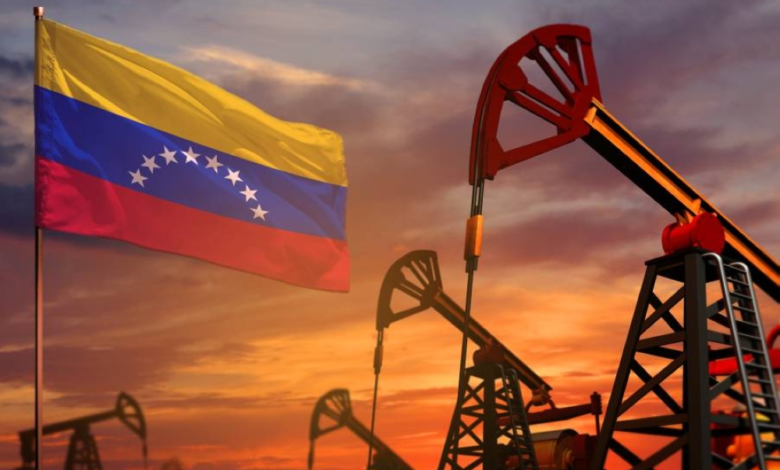

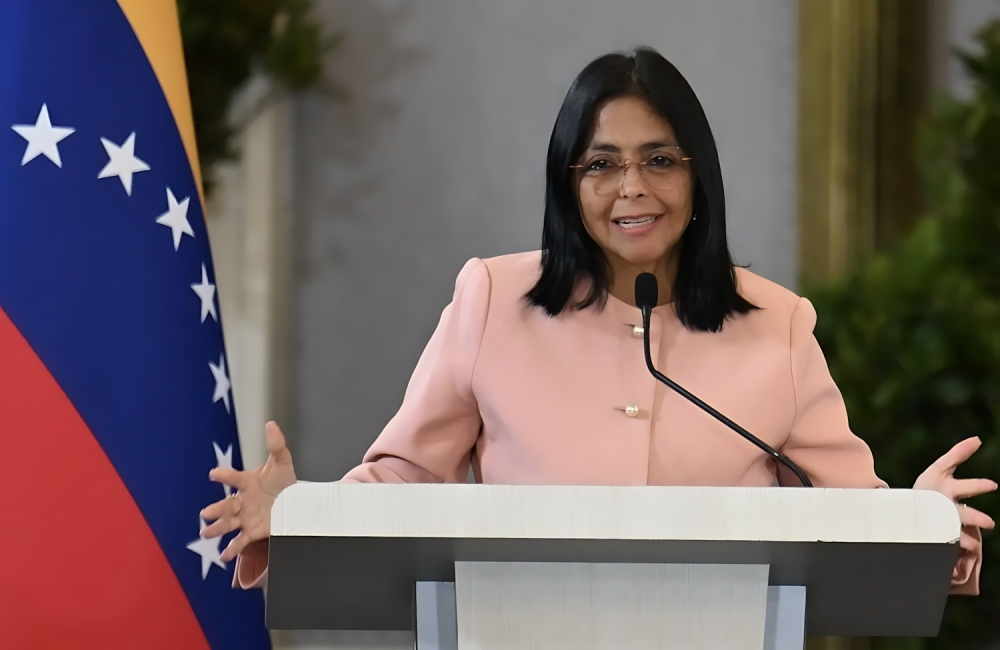
In a strategic shift aimed at reviving the struggling energy sector, Venezuela's interim president, Delcy Rodriguez, announced ambitious government forecasts for an increase in investment in the oil sector of up to 55% during 2026. These forecasts are supported by a package of bold legislative and structural reforms aimed at opening the doors to foreign investors and private companies.
Rodríguez, who assumed power following recent political developments and the arrest of former President Nicolás Maduro on January 3, explained that the country is experiencing significant investment activity. She stated, "While we recorded investments of approximately $900 million last year, we have already succeeded in signing new investment agreements for this year totaling $1.4 billion," emphasizing the need to leverage the country's vast natural resources to transform from a nation merely possessing reserves into a global "production giant.".
A historic shift in the management of oil wealth
The new oil bill currently before the National Assembly represents a radical turning point in Venezuela's economic history. For the first time in decades, the new legislation allows private companies registered in Venezuela to independently exploit oil fields, without the need for mandatory partnerships with the state-owned oil company (PDVSA). This move ends the state's long-standing monopoly on production, under which previous laws mandated the dominance of the public sector or joint ventures in which the state held the majority stake.
Background to the crisis and decline in production
To understand the significance of this step, one must consider the historical context of Venezuela’s energy sector. Venezuela possesses the world’s largest proven oil reserves, yet years of mismanagement, rampant corruption, and international sanctions have decimated the sector’s infrastructure. Production plummeted from its peak of 3 million barrels per day in the early 2000s to a historic low of 350,000 barrels per day in 2020. Despite a recent partial recovery, with production reaching approximately 1.2 million barrels per day, the country remains far from reaching its full potential.
The American role and the new political landscape
Many economic and political analysts link these rapid reforms to the US pressure that followed Maduro's arrest. The United States has made no secret of its interest in securing Venezuelan oil flows to ensure the stability of global energy markets. US President Donald Trump expressed his support for Rodríguez assuming power, conditional on her adherence to the agreed-upon program, which includes liberalizing the economy and opening the market.
The National Assembly is expected to give final approval to the bill in the next few days, taking advantage of the absolute majority enjoyed by the current government, especially given the absence of the traditional opposition from the legislative scene after boycotting the 2025 elections. Caracas hopes that this step will be the beginning of a new era that will return Venezuela to the map of the world's major energy exporters.