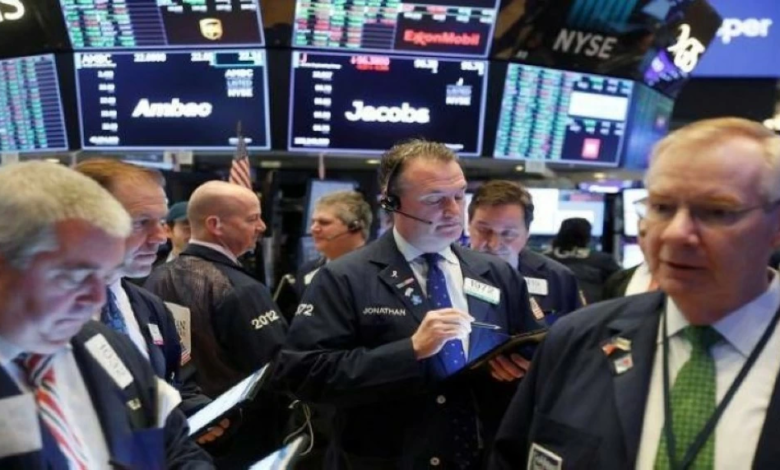

شهدت الأسواق المالية الأمريكية خلال الأسبوع الماضي حالة نادرة من التباين الشديد، حيث عاشت مؤشرات وول ستريت ما يشبه قصتين متناقضتين في آن واحد. ففي الوقت الذي حلق فيه قطاع الصناعات التقليدية عالياً مسجلاً مستويات لافتة، واجهت أسهم التكنولوجيا والقطاع المالي ضغوطاً بيعية مكثفة. هذه الحالة من «الانفصام» في أداء السوق تعكس حالة عدم اليقين التي تسيطر على المستثمرين نتيجة عاملين رئيسيين: التسارع المخيف في تقنيات الذكاء الاصطناعي، وضبابية المشهد الاقتصادي المتعلق بأسعار الفائدة.
السياق الاقتصادي وتأثير وول ستريت عالمياً
لفهم عمق ما يحدث، يجب النظر إلى وول ستريت ليس فقط كسوق أسهم أمريكي، بل كمحرك رئيسي للاقتصاد العالمي. تاريخياً، كانت العلاقة بين أسهم النمو (مثل التكنولوجيا) وأسعار الفائدة علاقة عكسية؛ فكلما ارتفعت الفائدة أو تأخر خفضها، زادت تكلفة الاقتراض على هذه الشركات، مما يقلل من جاذبيتها. ما يحدث اليوم هو إعادة تسعير للمخاطر بناءً على بيانات التضخم التي جاءت متباينة، مما أربك حسابات المحللين بشأن موعد تدخل الاحتياطي الفيدرالي.
تفاصيل الأداء: أرقام متباينة وإغلاقات قياسية
في لغة الأرقام، كانت المحصلة النهائية للأسبوع سلبية للأغلبية، حيث تراجع مؤشر S&P 500 بنحو 1.4%، وهبط مؤشر ناسداك المثقل بأسهم التكنولوجيا بنسبة 2%. في المقابل، غرد مؤشر داو جونز الصناعي خارج السرب، ورغم خسارته الأسبوعية الطفيفة (1.2%)، إلا أنه نجح في تحقيق إغلاق قياسي تاريخي يوم الثلاثاء، مدعوماً بأداء قوي لشركات مثل «Honeywell»، بينما كانت «أبل» في مقدمة الخاسرين، وفقاً لبيانات «CNBC».
الذكاء الاصطناعي: نعمة للتطوير ونقمة على الوظائف التقليدية
أحد أبرز العوامل التي حركت الأسواق هو «فوبيا الذكاء الاصطناعي» التي ضربت القطاع المالي تحديداً. فقد تعرضت أسهم هذا القطاع لضغوط بيع عنيفة بعد إعلان إحدى المنصات الكبرى عن ميزة جديدة للتخطيط الضريبي مدعومة بالذكاء الاصطناعي. هذا التطور أثار مخاوف وجودية حول مستقبل نماذج العمل التقليدية في إدارة الثروات والخدمات المالية، حيث يخشى المستثمرون أن تحل الخوارزميات محل المستشارين البشريين، مما يهدد هوامش ربح الشركات المالية الكبرى.
الرالي الأولمبي وضبابية الفيدرالي
على الجانب الآخر، شهد قطاع الصناعات ما وصفه المحللون بـ «رالي بحجم الألعاب الأولمبية»، حيث توجهت السيولة نحو الشركات الصناعية كملجأ آمن وسط تراجع جاذبية التكنولوجيا. ويعزو الخبراء ذلك إلى قوة الاقتصاد الأمريكي في قطاعاته الإنتاجية.
أما العامل الثالث والأكثر تأثيراً، فهو البيانات الاقتصادية المتضاربة التي صدرت الأسبوع الماضي. فرغم أن بعض بيانات التضخم دعمت نظرياً فكرة خفض الفائدة، إلا أن الصورة العامة لا تزال ضبابية. المستثمرون الذين كانوا يراهنون على خفض الفائدة في مارس المقبل باتوا أقل تفاؤلاً، حيث أكدت البيانات الأخيرة توقعات تثبيت أسعار الفائدة لفترة أطول، مما يعني استمرار تكلفة التمويل المرتفعة التي تضغط على الأسواق الناشئة والمتقدمة على حد سواء.