Saudi Arabia imposes strict conditions for importing coffee seedlings and quarantines them for two years

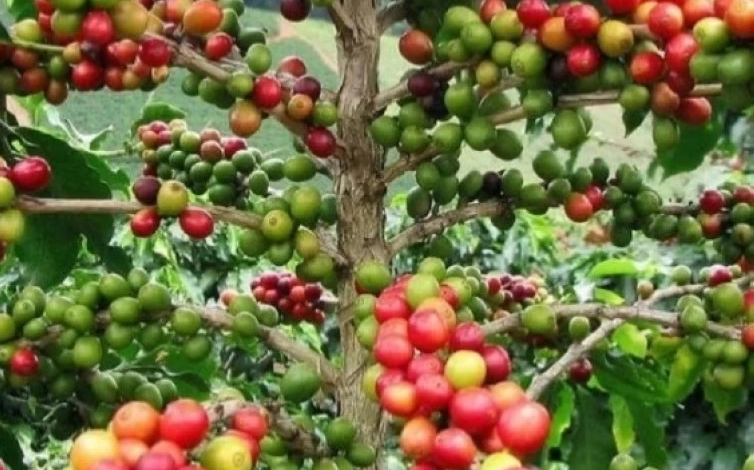
The National Center for Plant Pest and Animal Disease Prevention and Control (Wiqa’) announced the adoption of a new set of stricter requirements to regulate the import and trade of coffee seedlings in the Kingdom of Saudi Arabia. This decisive step comes as part of the Kingdom’s efforts to enhance biosecurity and protect local plant resources from transboundary threats.
Details of the decision and the new requirements
The CEO of the center, Engineer Ayman Al-Ghamdi, issued a decision imposing a mandatory two-year quarantine on all imported coffee seedlings. The decision prohibits the distribution of these seedlings or their use as mother plants for propagation before the quarantine period expires and their safety is fully confirmed. The decision also includes a strict ban on importing seedlings produced from genetically modified origins, in order to preserve the genetic purity and quality of the crops.
To obtain an import permit, the center requires importers to submit a phytosanitary certificate from the country of origin, proving that the seedlings were produced in nurseries under official supervision. This certificate must also include the results of laboratory tests conducted no more than 15 days prior to shipment. The decision emphasizes that shipments must be free of dangerous quarantine pests, particularly the bacterium Xylella fastidiosa, as well as a specific list of fungi, nematodes, and insects.
Context of interest in the coffee sector in the Kingdom
These measures are of paramount strategic importance given the prominent place coffee holds in the Kingdom's cultural heritage and national economy. As part of its Vision 2030, Saudi Arabia is working to develop the coffee sector, particularly in the southern regions (Jazan, Asir, and Al-Baha), where Saudi (Kholani) coffee is considered among the finest varieties in the world. The Kingdom aims to increase domestic production and achieve self-sufficiency, making the protection of this sector from invasive pests a national priority to ensure the sustainability of agricultural investments.
Local control procedures and ports
The new regulations stipulate that all shipments must undergo thorough visual and laboratory inspection at entry points, with random sampling of 1% of the shipment and a detection rate of up to 95%. If any pest is suspected or confirmed, the shipment will be immediately detained and appropriate measures will be taken, which may include complete destruction to prevent the spread of infection to the local environment.
Organizing local production and transportation
Domestically, the decision restricted local coffee seedling production to varieties officially registered with the Ministry. It mandated that local nurseries adhere to strict standards, including avoiding infested areas and using pathogen-free growing media and irrigation water. To prevent the spread of infection between regions, the Ministry prohibited the transfer of seedlings between farms or different areas without an official "transfer certificate" proving they have passed field and laboratory tests, thus strengthening the integrated protection system for the agricultural sector in the Kingdom.