
تأثير التقلبات الجوية على الصحة العامة
تشهد المنطقة خلال الفترات الانتقالية بين الفصول تقلبات جوية حادة تتمثل في العواصف الرملية وموجات الغبار الكثيفة، بالإضافة إلى هطول الأمطار المتفاوتة. وتعتبر هذه الأجواء بمثابة تحدٍ صحي كبير، خاصة للفئات الأكثر ضعفاً مثل الأطفال، وكبار السن، والمصابين بالأمراض التنفسية المزمنة. وقد حذر خبراء الصحة من التداعيات الخطيرة لهذه التقلبات، مؤكدين على أهمية اتخاذ تدابير وقائية صارمة لتجنب المضاعفات الصحية التي قد تؤدي إلى دخول غرف الطوارئ.
السياق الجغرافي وتأثير موجات الغبار
تاريخياً وجغرافياً، تُعد شبه الجزيرة العربية ومنطقة الشرق الأوسط من أكثر البقاع عُرضة لموجات الغبار والعواصف الرملية، وذلك بسبب الطبيعة الصحراوية والمناخ الجاف. علمياً، تحمل ذرات الغبار جزيئات دقيقة جداً قادرة على اختراق الجهاز التنفسي السفلي بسهولة، مما يؤدي إلى تهيج الأغشية المخاطية. وعلى الصعيد المحلي والإقليمي، تتسبب هذه الأجواء في زيادة ملحوظة في معدلات مراجعة المستشفيات وأقسام الطوارئ، مما يشكل ضغطاً على المنظومة الصحية ويؤثر على سير الحياة اليومية والاقتصادية نتيجة تعطل بعض الأنشطة.
الكمامة درع واقٍ لمرضى الربو
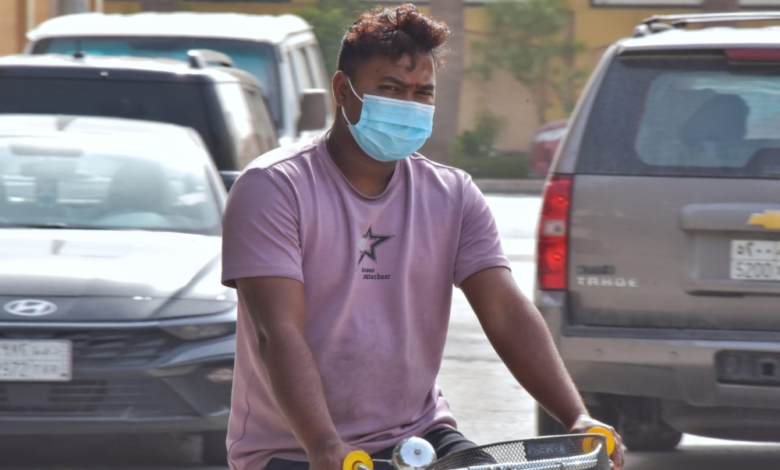
وفي هذا السياق، أكد استشاري طب الأسرة والحساسية، الدكتور خالد باواكد، في حديثه لـ «اليوم»، على حتمية البقاء في المنازل أثناء إثارة الأتربة والعواصف الرملية. ووجّه بضرورة ارتداء الكمامات الوقائية، واصفاً إياها بأنها «درع واقٍ» لا غنى عنه عند الاضطرار للخروج في الحالات القصوى. ولفت الدكتور باواكد إلى أن موجات الغبار تُرهق مرضى الربو بشكل كبير وتضاعف من معاناتهم اليومية، حيث تعمل الجزيئات العالقة في الهواء على تحفيز انقباض عضلات الشعب الهوائية، مما يتسبب في ضيق حاد في التنفس، ونوبات سعال مستمرة غالباً ما تكون مصحوبة بصفير في الصدر.
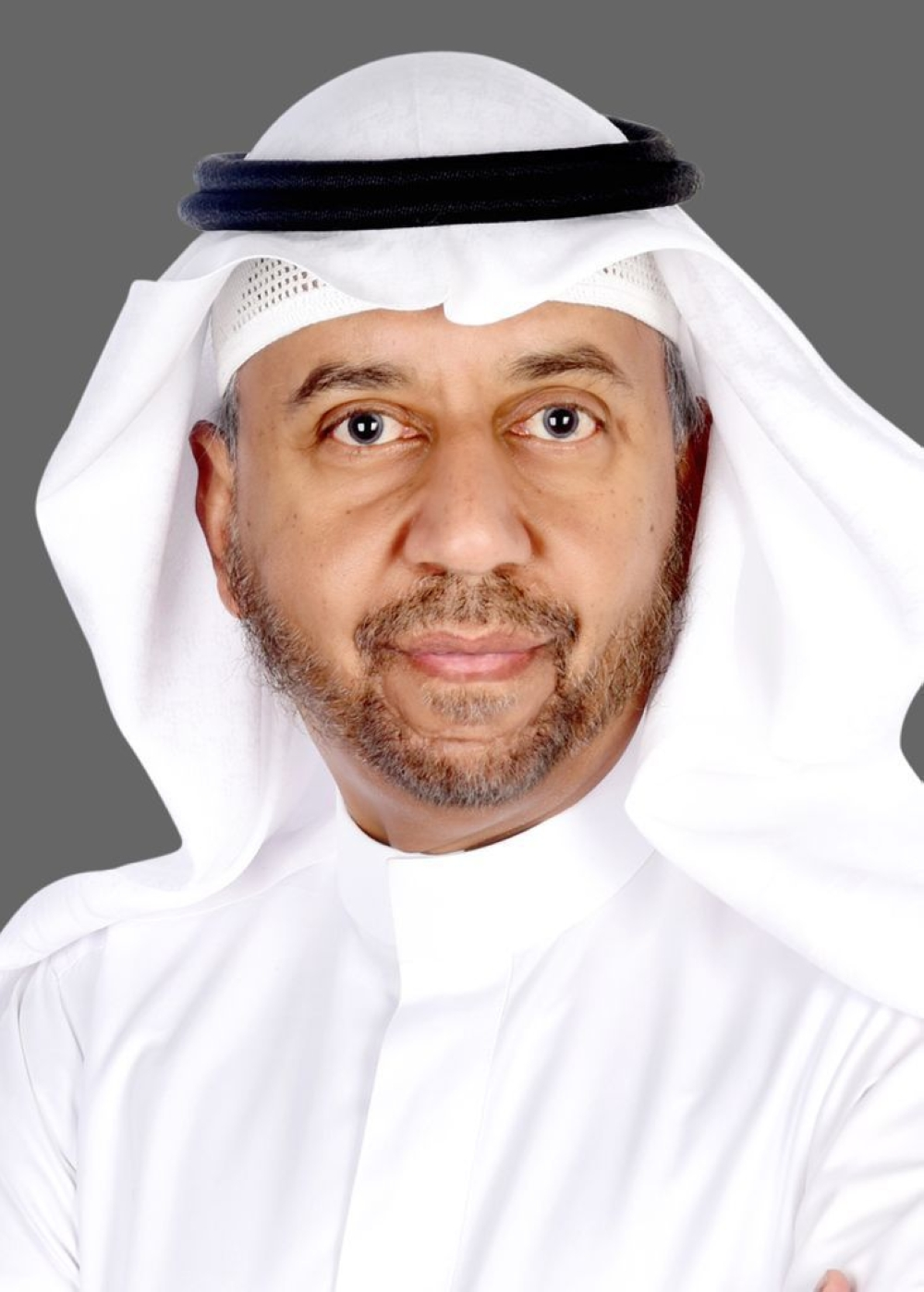
الدكتور خالد باواكد
خطة طوارئ أسرية وإجراءات منزلية
ودعا الدكتور باواكد جميع المصابين بالربو إلى الالتزام التام بالخطة العلاجية والأدوية الموصوفة من قبل الطبيب المعالج. وشدد على أهمية وضع «خطة طوارئ» أسرية واضحة المعالم، تشمل الاستخدام الصحيح لأجهزة الاستنشاق والبخاخات الموسعة للشعب الهوائية، مع ضرورة التوجه الفوري إلى أقسام الطوارئ في حال استمرار الأزمات التنفسية وعدم الاستجابة للعلاج المبدئي. كما بيّن الاستشاري أهمية إغلاق النوافذ والأبواب بإحكام، وتنظيف الأسطح المنزلية بقطع قماش مبللة لمنع تسرب وتطاير الجزيئات الدقيقة. ونصح بالإكثار من شرب المياه النقية لترطيب الجسم، محذراً في الوقت ذاته من المشروبات الغازية والسكريات لعدم جدواها في عملية الترطيب الفعلي للجسم.
حماية الأطفال من مخاطر الأمطار والسيول
على صعيد متصل، وجه استشاري الأطفال، الدكتور نصر الدين الشريف، نداءً عاجلاً للأسر بضرورة منع أبنائهم من الخروج للعب في أوقات الغبار الكثيف. كما حذر بشدة من السماح للأطفال باللعب في تجمعات مياه الأمطار الراكدة، وذلك تفادياً لانتقال الأمراض المعدية والبكتيريا التي تتكاثر في مثل هذه البيئات. وتعتبر هذه الخطوة من أهم التدابير الوقائية لحماية مناعة الأطفال التي لا تزال في طور النمو.
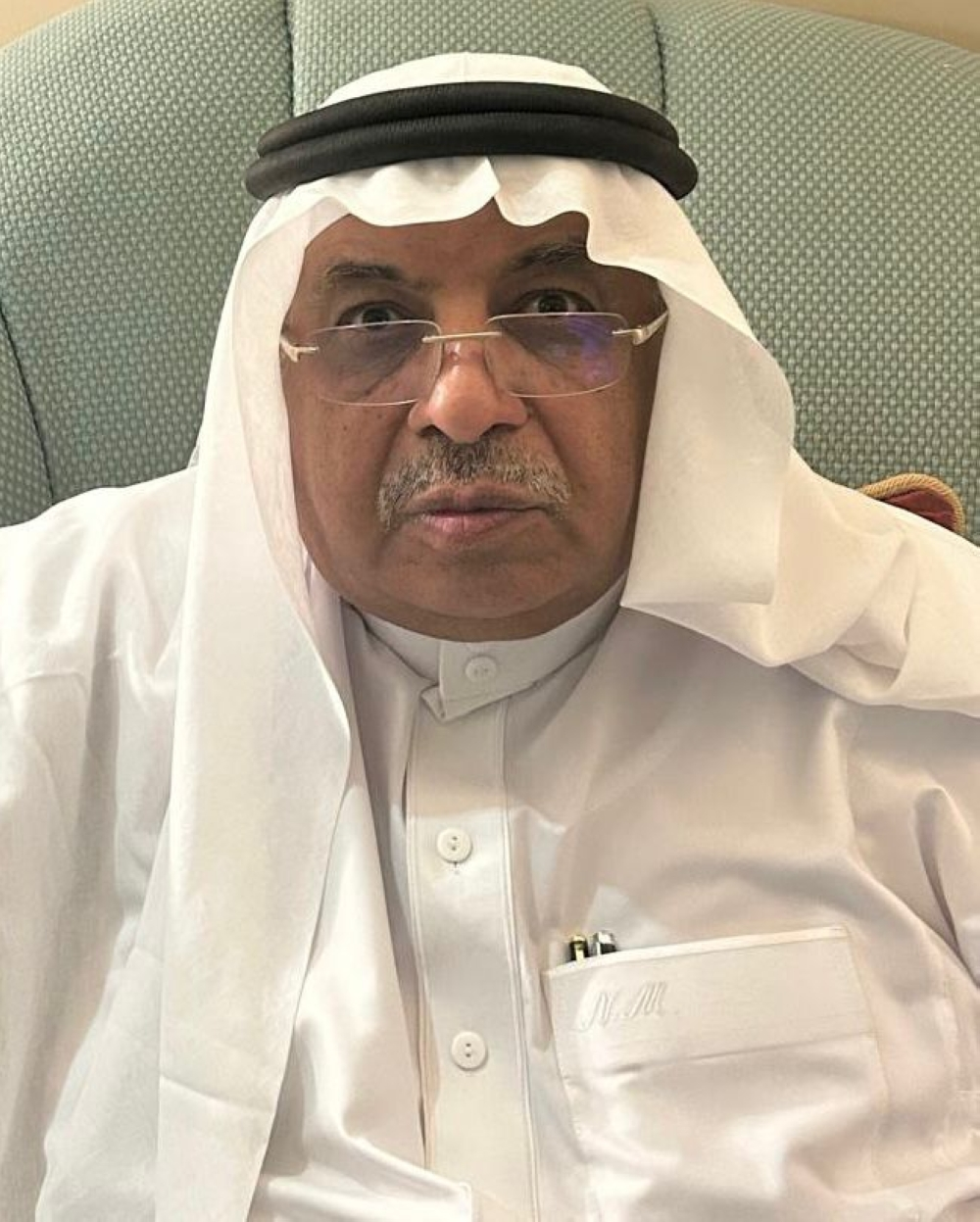
الدكتور نصر الدين الشريف
مخاطر الصعقات الكهربائية أثناء العواصف
ولم يقتصر التحذير على الجانب التنفسي فحسب، بل امتد ليشمل السلامة العامة؛ حيث حذّر الدكتور الشريف بشدة من ملامسة أعمدة الإنارة والكهرباء في الشوارع، أو استخدام الهواتف المحمولة والأجهزة الكهربائية في العراء أثناء حدوث ظاهرتي البرق والرعد. ويأتي هذا التحذير درءاً لخطر الصدمات الكهربائية القاتلة التي تكثر حوادثها للأسف في الأجواء السيئة والممطرة. وأكد في ختام حديثه أن الوعي المجتمعي والالتزام الصارم بهذه التدابير الاحترازية يسهم بشكل فاعل ومباشر في تقليص أعداد الإصابات والحوادث، ويحفظ سلامة المجتمع بأسره بعيداً عن أسرّة المستشفيات وغرف الطوارئ.