White House: No turning back on raising tariffs to 15%; details of the decision

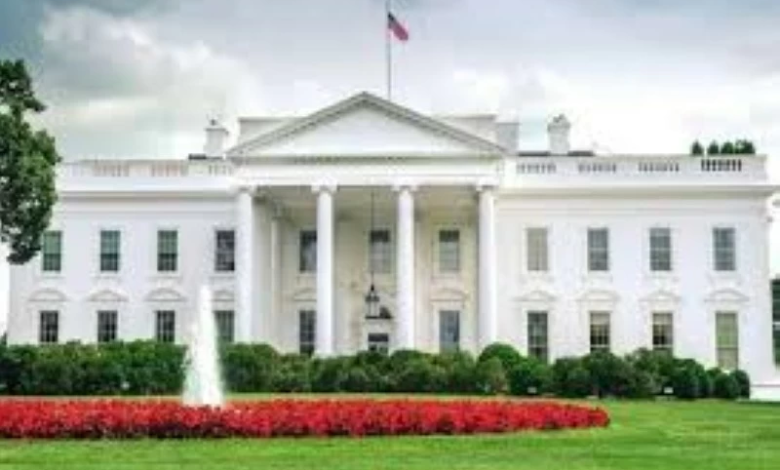
The White House confirmed today its intention to move forward with the plan to increase global tariffs to 15%, removing all doubt about the intentions of the US administration in its new trade policy.
The US administration clarified that the precise timeline for implementing the full increase is still under review, in line with President Donald Trump's previous announcements. This move underscores Washington's determination to reshape its international trade relations despite legal challenges.
The 10% fee has come into effect
Coinciding with this announcement, a new round of US tariffs officially went into effect on Tuesday, imposing a 10% duty on a wide range of imported goods. Customs officials stated that the collection of the previous tariffs, which were struck down by the Supreme Court, would cease, and the new 10% rate would take effect immediately, beginning at 5:00 AM GMT.
This swift move comes as President Trump seeks to implement his economic agenda based on protecting domestic industry, especially after the Supreme Court earlier rejected a broader set of tariffs, a ruling Trump described as "ridiculous" and "contrary to American values," vowing to find alternative legal avenues.
Based on the Commercial Code of 1974
To circumvent legal obstacles, the US president based his new decision on a law issued in 1974. This law grants the president broad powers to restore trade balance between the United States and its economic partners in the event that there is a significant and persistent imbalance in the balance of payments, which the current administration is using as a legal and economic justification for imposing these new financial burdens on imports.
Exceptions and sectoral fees
In detailing the decision, the White House explained that these new tariffs are intended to replace existing arbitrary tariffs, but will not eliminate what are known as "sectoral tariffs." Tariffs imposed on specific industries such as copper, automobiles, and lumber will remain in place at rates ranging from 10% to 50%, as these sectors were not affected by the recent Supreme Court ruling.
The decision also included reassurance for partners in North America, as it was confirmed that the new increases do not apply to Canadian and Mexican products imported under the North American Free Trade Agreement (USMCA), thus maintaining the stability of vital regional supply chains.
Potential economic repercussions
This escalation in protectionist policies carries profound economic implications. Observers believe that the insistence on raising tariffs to 15% could reshape the global trade landscape and directly impact the cost of goods for American consumers and international supply chains. Global markets are awaiting Washington's next steps, amid fears of retaliatory measures that could lead to wider trade tensions.