
موقف حاسم من واشنطن تجاه المفاوضات النووية
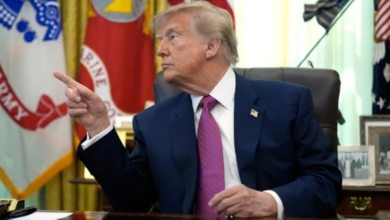
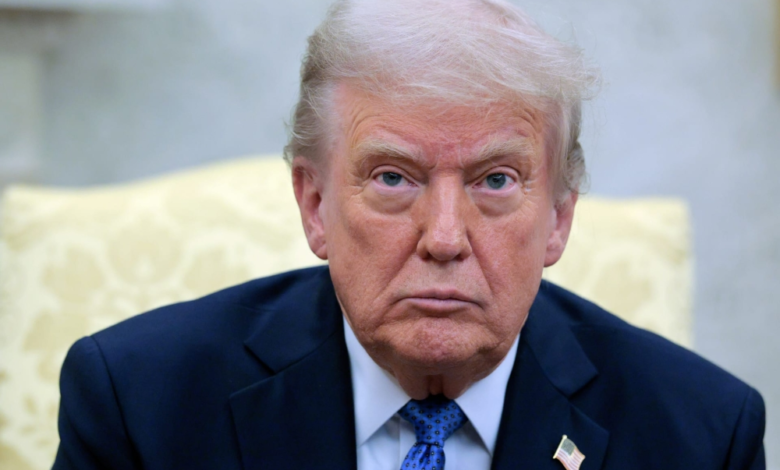
أعلن مسؤول في البيت الأبيض أن الرئيس الأمريكي دونالد ترامب لن يبرم أي اتفاق مع إيران ما لم يستوفِ كافة الشروط التي وضعتها إدارته، وذلك في تصريح يعكس الموقف المتشدد لواشنطن في المفاوضات الجارية. جاء هذا التأكيد بعد اجتماع مطول عقده ترامب مع كبار مساعديه في غرفة العمليات بالبيت الأبيض، استمر قرابة ساعتين، لمناقشة إطار اتفاق محتمل يهدف إلى معالجة المخاوف الدولية بشأن برنامج إيران النووي وأنشطتها الإقليمية.
وصرح المسؤول لوكالة “فرانس برس” قائلاً: “لن يقبل الرئيس ترامب بأي اتفاق لا يصب في مصلحة أمريكا، ولا يستوفي خطوطه الحمراء، وعلى رأسها ضمان عدم امتلاك إيران لسلاح نووي بشكل قاطع”. هذا الموقف يضع الكرة في ملعب طهران، مطالباً إياها بتقديم تنازلات جوهرية تتجاوز ما تم الاتفاق عليه سابقاً.
خلفية تاريخية: من الاتفاق النووي 2015 إلى سياسة الضغط الأقصى
تعود جذور التوتر الحالي إلى عام 2015، حين تم توقيع خطة العمل الشاملة المشتركة (JCPOA)، المعروفة إعلامياً بالاتفاق النووي الإيراني، بين إيران ومجموعة دول (5+1) التي تضم الولايات المتحدة، بريطانيا، فرنسا، روسيا، الصين، وألمانيا. هدف الاتفاق إلى تقييد أنشطة إيران النووية مقابل رفع العقوبات الاقتصادية المفروضة عليها. إلا أن الرئيس ترامب أعلن انسحاب الولايات المتحدة من الاتفاق في مايو 2018، واصفاً إياه بأنه “كارثي” و”مليء بالعيوب”، ليعيد فرض عقوبات اقتصادية قاسية ضمن استراتيجية أطلق عليها “حملة الضغط الأقصى”، بهدف إجبار إيران على العودة إلى طاولة المفاوضات للتوصل إلى اتفاق جديد أكثر شمولية.
أهمية الحدث وتأثيره المتوقع
يحمل الموقف الأمريكي الأخير تداعيات كبيرة على المستويات المحلية والإقليمية والدولية. فعلى الصعيد الإقليمي، تراقب دول الخليج وإسرائيل المفاوضات عن كثب، حيث تعتبران البرنامج النووي الإيراني وسياستها في المنطقة تهديداً مباشراً لأمنهما. أي اتفاق جديد سيتم تقييمه بناءً على قدرته على كبح طموحات إيران النووية والحد من تدخلاتها في دول مثل سوريا واليمن ولبنان. أما دولياً، فإن القوى الأوروبية وروسيا والصين، التي لا تزال أطرافاً في اتفاق 2015، تسعى لإيجاد حل دبلوماسي يمنع انهيار الجهود الدولية ويحول دون سباق تسلح نووي في الشرق الأوسط. كما أن أي تغيير في وضع العقوبات سيؤثر بشكل مباشر على أسواق الطاقة العالمية واستقرار الاقتصاد العالمي.
ردود الفعل الإيرانية والخطوات المستقبلية
في المقابل، نفت وزارة الخارجية الإيرانية الأنباء المتداولة عن التوصل إلى اتفاق مع الولايات المتحدة حتى الآن. ونقلت قناة “العربية” عن مصادر في الخارجية الإيرانية قولها: “لم نتوصل بعد لاتفاق مع الولايات المتحدة، وتركيزنا في هذه المرحلة ينصب على إنهاء الحرب، ولا نناقش الملف النووي”. وأضافت المصادر أن طهران ستراقب مدى مصداقية واشنطن في رفع الحصار المفروض. وكان وزير الخارجية الإيراني بالإنابة، عباس عراقجي، قد صرح بأن التوصل لاتفاق نهائي يعتمد على تخفيض الولايات المتحدة لمطالبها. يأتي هذا في وقت أعلن فيه ترامب عبر منصة “تروث سوشيال” عن رفع “الحصار البحري غير المسبوق” عن إيران، في خطوة قد تمثل بادرة حسن نية أو مناورة تكتيكية في خضم المفاوضات المعقدة.