World Health Organization: 60 countries are integrating refugees into their health policies

The World Health Organization calls for the integration of refugees into health systems
In a move reflecting a growing international commitment to health equity, the World Health Organization (WHO) announced that more than 60 countries worldwide have already integrated refugees and migrants into their national health policies and strategies. This significant announcement follows a comprehensive WHO report that covered and assessed health conditions and policies in 93 different countries. This development represents a pivotal turning point in global public health, underscoring the importance of providing universal healthcare to all vulnerable groups without discrimination.
Tedros Adhanom's remarks on the strength of health systems
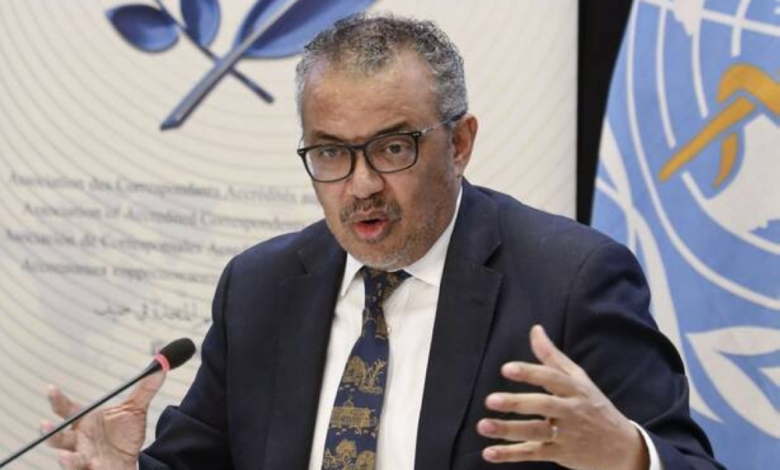
In this context, Dr. Tedros Adhanom Ghebreyesus, Director-General of the World Health Organization (WHO), explained that integrating refugees and migrants into national health systems is not only a moral obligation but also a strategic step that strengthens the resilience of entire health systems. Dr. Ghebreyesus stated that the WHO has issued an urgent call to the international community to accelerate efforts in this regard, in close collaboration with international and local partners. The organization also emphasized the need to strengthen inclusive health policies, improve the quality of health data related to these groups, and combat all forms of discrimination that may hinder their access to essential medical services.
The historical context of the displacement crisis and universal health coverage
To understand the broader context and historical background of this event, one must consider the unprecedented global displacement crisis. According to reports from the United Nations High Commissioner for Refugees (UNHCR), tens of millions of people have been forced to flee their homes due to conflict, persecution, and natural disasters. Historically, these groups have faced immense obstacles in accessing healthcare in host countries, ranging from legal and physical barriers to language barriers and discrimination. With the launch of the 2030 Sustainable Development Goals, specifically the goal of achieving universal health coverage, the World Health Organization (WHO) began to strongly advocate for ensuring that no one is left behind, paving the way for the adoption of these inclusive policies.
Local and regional impact of comprehensive health policies
Regarding the significance of the event and its anticipated impact, the integration of refugees and migrants offers numerous benefits at both the local and regional levels. Locally, providing healthcare to these groups helps protect host communities by reducing the spread of infectious diseases and epidemics. Furthermore, offering preventative and primary care alleviates the heavy financial burden on hospitals resulting from delayed access to emergency services. Regionally, this approach promotes cross-border health stability, particularly in areas experiencing massive migration flows, thereby mitigating tensions and fostering an environment of cooperation among neighboring countries to effectively manage health crises.
Global health security and lessons for the future
Internationally, this development reinforces the principles of global health security. The COVID-19 pandemic has unequivocally demonstrated that viruses and diseases recognize no geographical boundaries or legal statuses. Therefore, immunizing and treating refugees and migrants is an integral part of protecting global health. The commitment of 60 countries to these policies sends a powerful message to the international community about the need for solidarity and serves as a model for other countries that have not yet taken this step. Ultimately, health remains a fundamental human right, and guaranteeing this right for all is the only way to build a safer, healthier, and more sustainable world.