Releasing 10,000 wildlife species in Saudi Arabia: A huge environmental achievement

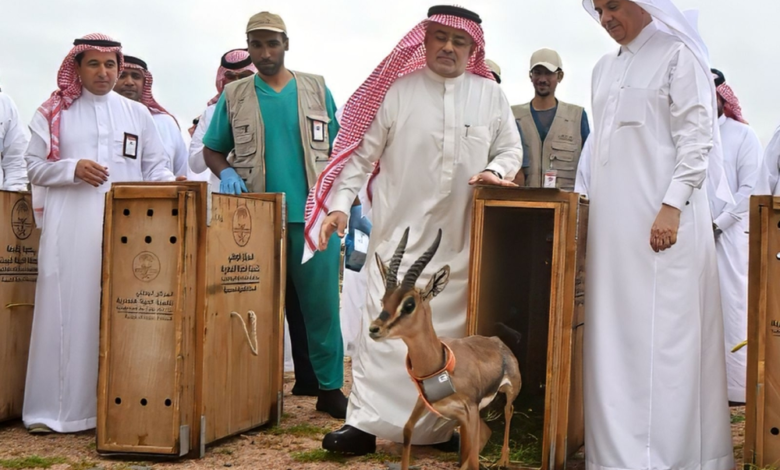
In a move reflecting the Kingdom of Saudi Arabia's commitment to environmental protection and restoring its natural balance, the National Center for Wildlife Development announced a new record in its reintroduction programs, with the total number of wildlife released into parks and nature reserves exceeding 10,000. This achievement is the culmination of tireless efforts aimed at propagating endangered native species and returning them to their original habitats.
Restoring ecological balance and Vision 2030
This step is of paramount strategic importance within the framework of the Saudi Green Initiative and the Kingdom's Vision 2030, which prioritizes environmental protection and sustainability. These releases address the environmental degradation that has occurred in recent decades due to overhunting and urban sprawl, leading to a decline in the populations of many native species. The return of these creatures will contribute to the revitalization of degraded ecosystems, combat desertification, and promote ecotourism as a sustainable economic driver.
Diversity of species and target locations
The center's releases included more than 80 species of national priority. The list included iconic species associated with the history of the Arabian Peninsula, such as:
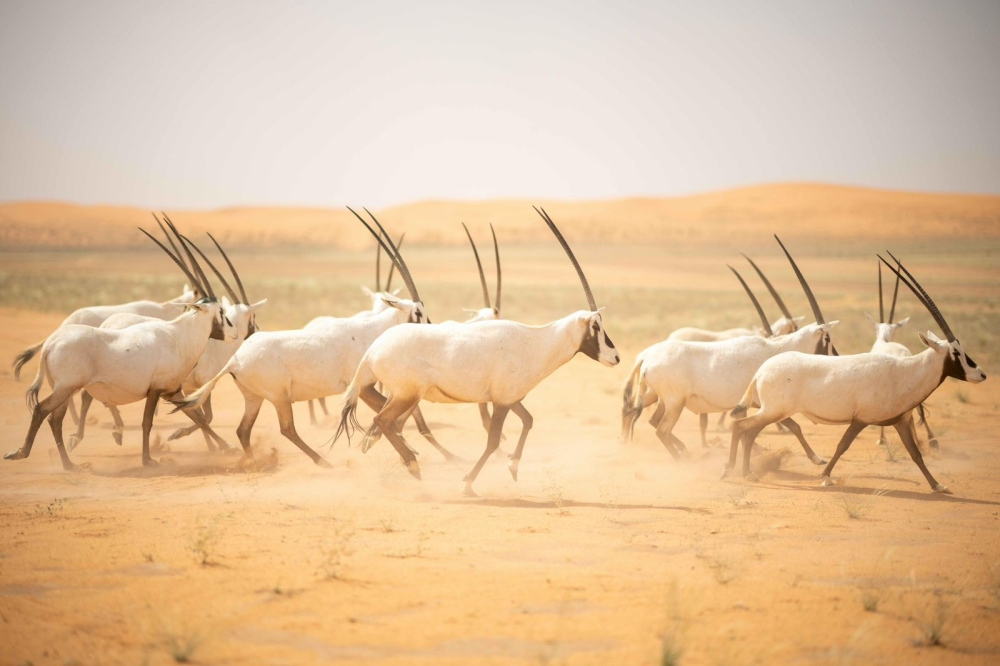
- The Arabian oryx: which is considered a symbol of the success of conservation programs after it was threatened with complete extinction.
- Arabian and Arabian gazelles: which play a vital role in the food chain.
- Mountain ibex: which bring life back to rocky and mountainous areas.
- Birds: such as bustards, ostriches, and sandgrouse, which contribute to seed transport and plant pollination.
The releases were spread across more than 60 different environmental sites, including royal reserves, nature reserves, national parks, as well as major project sites, ensuring a wide geographical spread that enhances the chances of these species surviving and reproducing.
Scientific foundations and expansion of propagation programs
The center's CEO, Dr. Mohammed Ali Qurban, explained that these operations are not carried out randomly, but are based on meticulous scientific studies that take into account the carrying capacity of natural habitats and the historical distribution of species. He pointed out that releasing these organisms contributes to the formation of wild populations capable of self-reproduction, which increases genetic diversity and enhances the herds' resistance to diseases.
As part of its ambitious future plans, the center has succeeded in increasing the number of breeding programs from 7 to 21 currently, with the aim of reaching 50 breeding programs by 2030. This process goes through precise stages starting from the selection of genetically pure strains in research centers, through intensive veterinary care, up to the stage of qualification for release and field follow-up using the latest technologies to ensure the sustainability of these organisms in their new environments.