
مع حلول شهر ذي الحجة من كل عام، تعود إلى الواجهة في المناطق الخاضعة لسيطرة جماعة الحوثي في اليمن مناسبة “يوم الولاية”، التي تحولت من احتفالية دينية ذات طابع خاص إلى حدث سياسي واقتصادي ضخم يثير جدلاً واسعاً. ففي الوقت الذي يصور فيه الحوثيون هذا اليوم كركيزة أساسية في عقيدتهم، يراه ملايين اليمنيين موسماً جديداً للاستنزاف المالي والفكري، يضاف إلى معاناتهم اليومية جراء الحرب والأزمة الإنسانية المتفاقمة.
جذور المناسبة وأبعادها السياسية
يعود أصل الاحتفال بـ”يوم الولاية” إلى حادثة “غدير خم” في السنة العاشرة للهجرة، وهي مناسبة ذات أهمية كبرى لدى الطوائف الشيعية التي تعتبرها دليلاً على وصية النبي محمد بالإمامة لعلي بن أبي طالب. وقد عملت جماعة الحوثي، التي تتبع المذهب الزيدي الشيعي، على إحياء هذه المناسبة وتضخيمها بشكل غير مسبوق في اليمن، وربطها بمشروعها السياسي القائم على فكرة “الحق الإلهي في الحكم” لسلالة معينة. هذا التوظيف السياسي حول المناسبة من مجرد احتفال ديني إلى أداة لترسيخ الأيديولوجيا الحوثية وفرضها على المجتمع، مما يعمق الانقسامات الطائفية والاجتماعية في بلد متنوع مذهبياً.
يوم الولاية: استعراض قوة وأداة للجباية
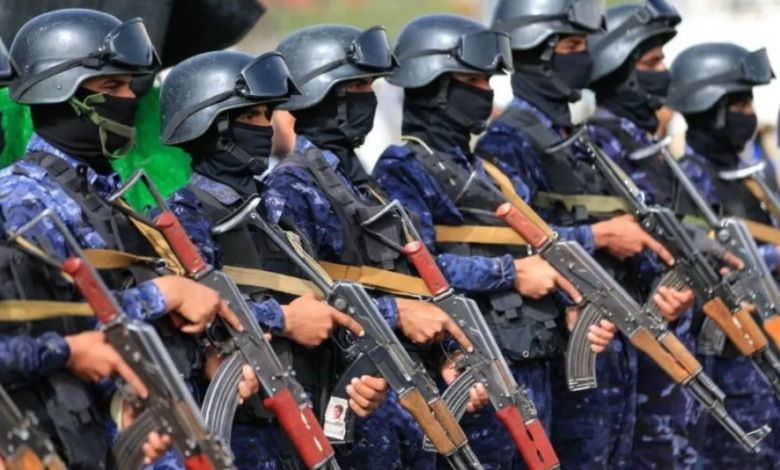
لا تقتصر فعاليات “يوم الولاية” على المحاضرات والندوات الدينية، بل تتعداها لتشمل استعراضات عسكرية وتنظيم احتفالات حاشدة في الميادين العامة، تُستخدم كمنصة لبث الخطاب السياسي للجماعة وحشد الأنصار. لكن الوجه الآخر لهذه الاحتفالات يكمن في العبء المالي الهائل الذي تفرضه على كاهل المواطنين والتجار. تشير تقارير محلية وحقوقية إلى أن الحوثيين يطلقون حملات تبرعات إجبارية واسعة النطاق، حيث يُلزم أصحاب المحال التجارية والشركات والمواطنون العاديون بدفع مبالغ مالية كبيرة تحت مسمى “دعم الفعاليات”. وتتحول هذه الجبايات إلى ثقب أسود يبتلع أموال اليمنيين، في وقت يعاني فيه أكثر من ثلثي السكان من انعدام الأمن الغذائي وتدهور الخدمات الأساسية. إن هذا الاستغلال الممنهج يحول مناسبة دينية إلى وسيلة لإثراء قادة الجماعة وتمويل مجهودها الحربي، على حساب لقمة عيش المواطن البسيط.
تأثيرات بعيدة المدى على النسيج الاجتماعي
إن الإصرار الحوثي على فرض رؤيته الخاصة لـ”يوم الولاية” وتوظيفه سياسياً لا يؤثر فقط على جيوب اليمنيين، بل يضرب في صميم النسيج الاجتماعي للبلاد. فمن خلال ربط الدين بالسلطة بشكل حصري، تسعى الجماعة إلى إعادة تشكيل الهوية اليمنية بما يتوافق مع أجندتها، مهمشةً بذلك المكونات الثقافية والمذهبية الأخرى التي تعايشت في اليمن لقرون. هذا النهج الإقصائي يغذي الصراع ويزيد من صعوبة التوصل إلى تسوية سياسية شاملة تضمن مستقبلاً مستقراً لجميع اليمنيين، ويجعل من المناسبات الدينية، التي يفترض أن تكون جسراً للتآلف، سبباً إضافياً للفرقة والمعاناة.