The Yemeni government is boosting services in Aden with comprehensive Saudi support

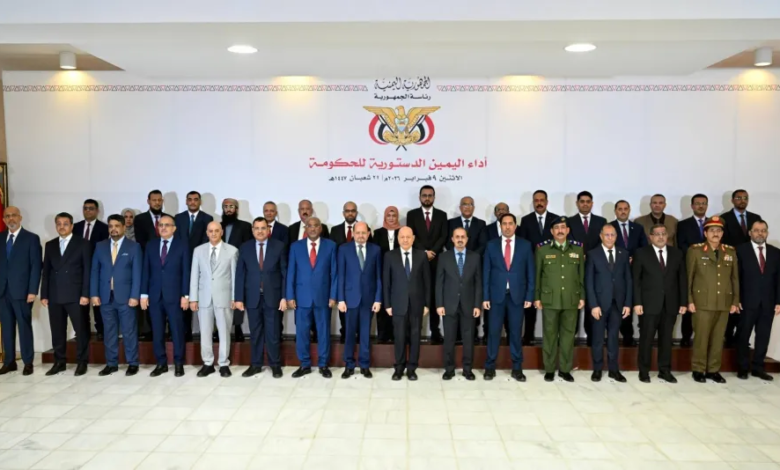
The interim capital, Aden, is witnessing intensive government efforts aimed at improving basic services, alongside the implementation of strategic plans to consolidate security and economic stability. These efforts rely primarily on the continued and direct support of the Kingdom of Saudi Arabia. These initiatives come at a critical juncture for the country, as the internationally recognized Yemeni government seeks to transform Aden into a model state and its institutions, and to alleviate the suffering of citizens who have endured the ravages of war and its economic repercussions.
A lifeline for the economy and services
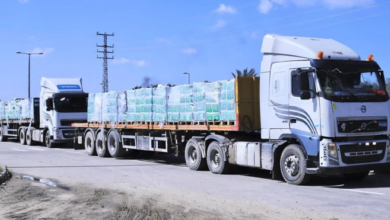
Saudi support is the cornerstone of the Yemeni government's current plans, extending beyond the political and military spheres to encompass significant development and humanitarian aspects. The Saudi Development and Reconstruction Program for Yemen plays a prominent role, implementing dozens of vital projects in Aden and the liberated governorates, covering sectors such as health, education, water, and roads, in addition to supporting the energy sector, which is crucial for the stability of essential services.
In a related context, the Saudi oil derivatives grant allocated to power plants plays a pivotal role in ensuring the continued operation of electricity in Aden, thus helping to alleviate the power outages that plague residents, especially during the hot summer months. This energy support is accompanied by direct financial support to the Central Bank of Yemen, which has previously helped to curb inflation and halt the rapid collapse of the national currency, reflecting Riyadh's commitment to preventing a complete economic collapse.
Historical context and the importance of stability in Aden
Since its liberation from the Houthi militias, Aden has faced immense challenges, including the destruction of its infrastructure and a massive influx of internally displaced persons, which has further strained already fragile services. Current efforts are particularly important given Aden's status as the interim capital, the seat of the government, and the Presidential Leadership Council. Therefore, stabilizing its services and security will positively impact the overall political landscape and bolster the state's legitimacy both domestically and internationally.
Regional and international impacts
Observers do not view the improvement of services in Aden as a purely local matter, but rather as part of a regional strategy to bolster security in the southern Red Sea and Bab al-Mandab Strait. The presence of a strong and stable government in Aden, supported by the Saudi-led coalition, contributes to securing international shipping lanes and reduces the opportunities for the spread of extremist groups that thrive in chaotic environments. Furthermore, the success of the development model in the liberated areas sends a powerful political message, highlighting the difference between areas under state control and those controlled by militias, thus strengthening the government's negotiating position in any future UN-sponsored peace processes.
In conclusion, the strategic partnership between the Yemeni government and the Kingdom of Saudi Arabia remains the greatest guarantee for the continued progress of development, pending a comprehensive political solution that ends the conflict and restores full stability to Yemen.