History of Saudi Arabia vs. Egypt matches: Who will prevail in the ninth summit?

Arab classic with a global flavor
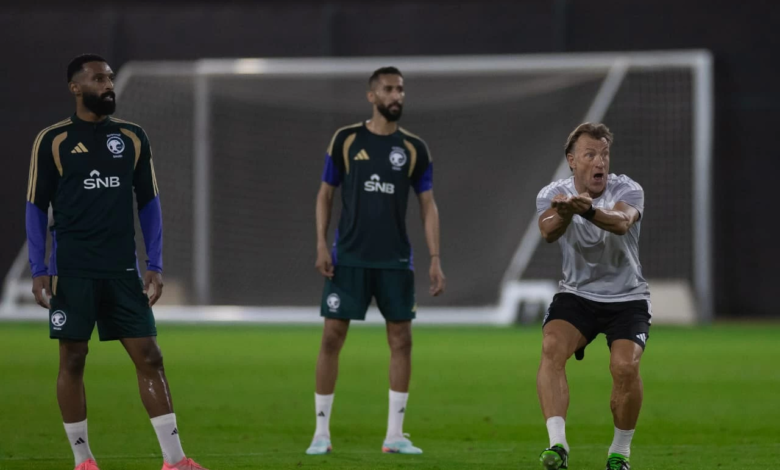
Arab football fans are eagerly anticipating a high-stakes match as the Saudi Arabian national team prepares for a friendly against their Egyptian counterparts. This encounter holds special significance, marking the ninth meeting between the two sides and reviving one of the most cherished classics of Arab football, a fixture that enjoys widespread public and media attention both locally and regionally.
The importance of the confrontation and its regional impact
The Saudi Arabia-Egypt match holds immense importance, transcending its status as a mere friendly. It represents a crucial preparatory stage for both teams ahead of upcoming continental and international competitions, including World Cup qualifiers and preparations for continental tournaments such as the AFC Asian Cup and the Africa Cup of Nations. Furthermore, Arab derbies are always characterized by fierce competition and intense passion, positively impacting the players' technical level and providing coaching staffs with an ideal opportunity to test strategies and tactics, as well as experiment with new players in a highly competitive and pressured environment.
World Cup memory and the superiority of the official green
Historically, this encounter stands out after a long absence since their last official match at the 2018 World Cup in Russia. In that tournament, the Saudi national team, nicknamed "The Green Falcons," faced the Egyptian national team, nicknamed "The Pharaohs," in the third round of the group stage. The match ended in a dramatic 2-1 victory for the Saudi team, with Egyptian star Mohamed Salah scoring, and legendary goalkeeper Essam El-Hadary putting on a stellar performance, before Salem Al-Dawsari sealed the win with a goal in the final moments.
Despite Egypt's overall superiority in historical victories, the Saudi national team boasts a distinguished record in major official matches against the Pharaohs. In addition to their 2018 World Cup triumph, the historic encounter in the 1999 Confederations Cup in Mexico, which ended in a resounding 5-1 victory for Saudi Arabia, cannot be forgotten. This gives the Green Falcons significant confidence and a morale boost ahead of the anticipated match, as they seek to strengthen their international presence and continue their positive run.
Historical record of Saudi Arabia vs. Egypt matches
Looking back at the historical record, the two teams have met eight times previously, in both official and friendly matches, with the results reflecting a back-and-forth battle for dominance at different times. Here is the complete record of their head-to-head encounters:
- September 3, 1961 (Second Arab Games): Egypt wins 13-0 against Saudi Arabia.
- December 23, 1975 (Palestine Cup): Egypt wins 2-1 against Saudi Arabia.
- November 14, 1988 (Friendly Match): The match ended in a 0-0 draw between the two teams.
- September 17, 1992 (Arab Cup Final): Egypt wins 3-2 against Saudi Arabia.
- July 29, 1999 (Confederations Cup): Saudi Arabia wins 5-1 against Egypt.
- March 14, 2005 (Friendly Match): Egypt wins 1-0 against Saudi Arabia.
- November 25, 2007 (Arab Games): Egypt wins 2-1 against Saudi Arabia.
- June 25, 2018 (World Cup): Saudi Arabia wins 2-1 against Egypt.
Statistics and figures
Based on these figures, the historical record clearly favors Egypt with five wins, compared to two for Saudi Arabia and one draw. Today, the two teams stand on the verge of their ninth encounter. Will the Egyptian team succeed in extending its historical dominance, or will the Saudi team continue its recent strong performances and secure its third victory?