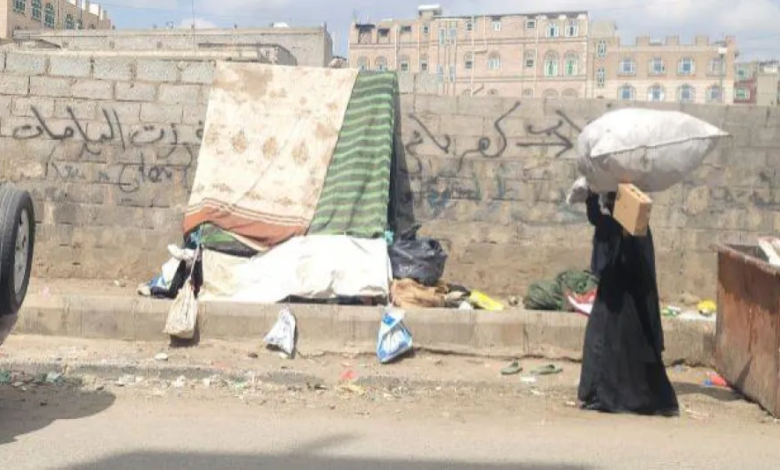

يحل عيد الأضحى المبارك هذا العام حاملاً معه طقوس الفرح والبهجة في معظم أنحاء العالم الإسلامي، لكنه يمر ثقيلاً على ملايين النازحين في اليمن، وتحديداً في المناطق الخاضعة لسيطرة جماعة الحوثيين، حيث تتحول المناسبة الدينية السعيدة إلى تذكير مؤلم بواقعهم المرير المليء بالحرمان والمعاناة. فبدلاً من تبادل التهاني وشراء ملابس جديدة للأطفال، تصبح الأولوية القصوى لهذه الأسر هي البحث عن لقمة العيش أو قطرة ماء نظيفة في مخيمات تفتقر لأبسط مقومات الحياة الكريمة.
تعيش هذه الأسر النازحة في ظروف إنسانية بالغة الصعوبة، حيث تتكدس في خيام مهترئة أو مساكن مؤقتة لا تقيهم حر الصيف ولا برد الشتاء. ومع حلول العيد، تتفاقم معاناتهم النفسية والمادية، إذ يشاهدون أطفالهم محرومين من أبسط مظاهر الفرحة التي يعيشها أقرانهم، مما يترك في نفوسهم جروحاً عميقة يصعب اندمالها. لقد أصبح العيد بالنسبة لهم مرادفاً للحسرة على وطنهم المفقود وحياتهم التي انقلبت رأساً على عقب.
خلفية الأزمة: سنوات من النزوح والمعاناة
تعود جذور هذه المأساة الإنسانية إلى النزاع الدائر في اليمن منذ أواخر عام 2014، والذي أدى إلى واحدة من أسوأ الأزمات الإنسانية في العالم. تسبب الصراع في نزوح أكثر من أربعة ملايين شخص داخلياً، فروا من مناطق القتال بحثاً عن الأمان، ليجدوا أنفسهم في مواجهة تحديات جديدة لا تقل قسوة، مثل الجوع والمرض والبطالة. وتتركز أعداد كبيرة من هؤلاء النازحين في محافظات تقع تحت سيطرة الحوثيين، حيث يواجهون قيوداً إضافية وصعوبات في الحصول على المساعدات الإنسانية التي تقدمها المنظمات الدولية والمحلية، مما يزيد من تعقيد وضعهم المتردي أصلاً.
التأثيرات العميقة والأبعاد الدولية للأزمة
إن استمرار هذه المعاناة له تأثيرات تتجاوز البعد المحلي، فهي لا تؤدي فقط إلى تآكل النسيج الاجتماعي اليمني وتدمير مستقبل جيل كامل من الأطفال، بل تشكل أيضاً ضغطاً هائلاً على المنظمات الإغاثية الدولية التي تكافح من أجل سد فجوة التمويل المتزايدة وتوصيل المساعدات للمحتاجين. إن الصور القادمة من مخيمات النزوح خلال الأعياد والمناسبات الدينية تسلط الضوء على الضرورة الملحة للتوصل إلى حل سياسي شامل ينهي الحرب ويعيد لليمنيين حياتهم الطبيعية. وتبقى معاناة النازحين في العيد بمثابة صرخة مدوية في وجه العالم، تذكره بأن السلام ليس ترفاً، بل هو حاجة إنسانية أساسية لإنقاذ الملايين من براثن اليأس والموت البطيء.