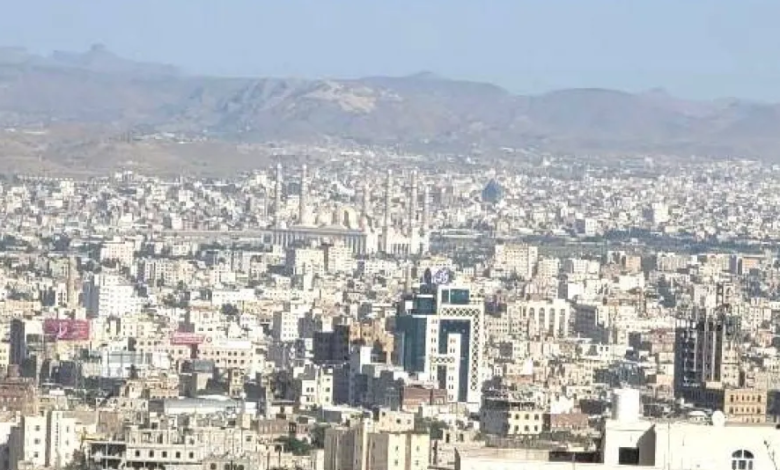

بعد سنوات من الصراع المدمر، يقف جيل يمني كامل على حافة الهاوية، يدفع ثمنًا باهظًا لتبعات الانقلاب الحوثي الذي وقع في عام 2014. هذا الجيل، الذي لم يعرف الكثير منه سوى أصوات القذائف ومشاهد الدمار، يواجه مستقبلاً غامضًا في ظل انهيار مؤسسات الدولة وتفاقم الأزمة الإنسانية التي وصفتها الأمم المتحدة بأنها الأسوأ في العالم.
جذور الأزمة: من الاحتجاجات إلى السيطرة على العاصمة
لم تكن الأحداث التي أدت إلى الوضع الحالي وليدة لحظة، بل هي نتاج تراكمات سياسية واجتماعية معقدة. فبعد انتفاضة عام 2011 التي أطاحت بالرئيس علي عبد الله صالح، دخل اليمن في مرحلة انتقالية هشة. استغلت جماعة الحوثي (أنصار الله) حالة الضعف السياسي والمظالم الشعبية لتوسيع نفوذها، وبحلول سبتمبر 2014، تمكنت من السيطرة على العاصمة صنعاء ومؤسسات الدولة، وهو ما اعتبرته الحكومة الشرعية المعترف بها دوليًا والمجتمع الدولي انقلابًا على العملية السياسية ومخرجات الحوار الوطني. هذا التحرك أدى إلى تصعيد الصراع ودخول البلاد في حرب أهلية مدمرة، تفاقمت مع التدخل العسكري الإقليمي بقيادة المملكة العربية السعودية في مارس 2015.
تداعيات الانقلاب الحوثي على أطفال وشباب اليمن
كان الأطفال والشباب هم الضحية الأكبر لهذا الصراع الممتد. لقد انهار النظام التعليمي بشكل شبه كامل، حيث تعرضت آلاف المدارس للتدمير أو الاستخدام لأغراض عسكرية، بينما انقطع ملايين الأطفال عن التعليم. وفي المناطق الخاضعة لسيطرة الحوثيين، تم تغيير المناهج الدراسية لتتماشى مع أيديولوجيتهم، مما يهدد بنشوء جيل مشبع بأفكار العنف والكراهية. على الصعيد الصحي، أدى انهيار القطاع الصحي إلى عودة أمراض منقرضة مثل الكوليرا، وتسبب سوء التغذية الحاد في وفاة عشرات الآلاف من الأطفال، تاركًا ندوبًا جسدية ونفسية عميقة على من نجا منهم.
أزمة تتجاوز الحدود: اليمن على الخارطة الجيوسياسية
لم يقتصر تأثير الأزمة اليمنية على حدودها، بل امتد ليصبح جزءًا من صراع جيوسياسي أوسع في المنطقة، خاصة بين المملكة العربية السعودية وإيران. أصبحت اليمن ساحة حرب بالوكالة، مما زاد من تعقيد إيجاد حل سياسي. وقد أدت الحرب إلى أزمة إنسانية كارثية، حيث بات أكثر من ثلثي السكان بحاجة إلى مساعدات إنسانية عاجلة للبقاء على قيد الحياة. إن مستقبل اليمن لا يعتمد فقط على وقف إطلاق النار، بل على معالجة الآثار العميقة التي خلفتها الحرب على نسيجه الاجتماعي، وفي مقدمتها إنقاذ جيل كامل من الضياع وتوفير فرصة له للمساهمة في بناء مستقبل بلاده.