
مقدمة عن برنامج الإصلاحات الاقتصادية في اليمن
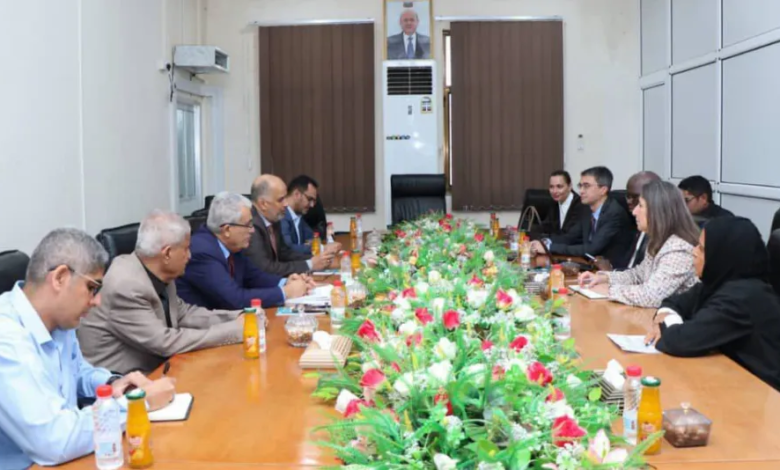
في خطوة استراتيجية تهدف إلى إنقاذ الاقتصاد الوطني من الانهيار، أعلنت الحكومة اليمنية المعترف بها دولياً عن إطلاق برنامج شامل لتنفيذ حزمة من الإصلاحات الاقتصادية والمالية والإدارية. يأتي هذا البرنامج في وقت حرج يمر فيه اليمن بتحديات غير مسبوقة، حيث تسعى الحكومة من خلال هذه الإجراءات إلى تحقيق الاستقرار المالي والنقدي، ووقف التدهور المستمر في قيمة العملة الوطنية (الريال اليمني)، وتخفيف وطأة الأزمة الإنسانية التي يعاني منها ملايين المواطنين.
السياق العام والخلفية التاريخية للأزمة الاقتصادية
لفهم أهمية هذا البرنامج، يجب النظر إلى السياق التاريخي للأزمة. يعاني اليمن منذ أواخر عام 2014 من صراع مسلح مدمر أدى إلى انقسام المؤسسات المالية والاقتصادية، وعلى رأسها البنك المركزي اليمني الذي تم نقل مقره الرئيسي إلى العاصمة المؤقتة عدن في عام 2016. وقد أسفرت سنوات الحرب عن انكماش حاد في الناتج المحلي الإجمالي، وتوقف شبه كامل لصادرات النفط والغاز التي تشكل الشريان الرئيسي لموازنة الدولة، خاصة بعد الهجمات التي استهدفت موانئ تصدير النفط في أواخر عام 2022. كل هذه العوامل أدت إلى تضخم مفرط، وارتفاع جنوني في أسعار السلع الأساسية، وتآكل القدرة الشرائية للمواطن اليمني بشكل غير مسبوق.
أبرز محاور خطة الإصلاح الاقتصادي
يرتكز البرنامج الشامل الذي أطلقته الحكومة اليمنية على عدة محاور رئيسية، من أهمها تعزيز مبادئ الشفافية والحوكمة في مؤسسات الدولة، ومكافحة الفساد المالي والإداري. كما تتضمن الخطة ترشيد الإنفاق العام، وتنمية الإيرادات غير النفطية من خلال تحسين آليات التحصيل الضريبي والجمركي. وفي القطاع المصرفي، يعمل البنك المركزي اليمني في عدن على تنفيذ سياسات نقدية صارمة للرقابة على شركات الصرافة والبنوك التجارية، ومكافحة غسيل الأموال وتمويل الإرهاب، بما يتوافق مع المعايير الدولية.
أهمية الحدث وتأثيره المتوقع
التأثير المحلي
على الصعيد المحلي، يمثل نجاح هذا البرنامج طوق نجاة للاقتصاد اليمني. من المتوقع أن تساهم هذه الإصلاحات في استقرار سعر صرف الريال اليمني، مما سينعكس إيجاباً على أسعار المواد الغذائية والدوائية. كما أن تحسين الإيرادات العامة سيمكن الحكومة من الوفاء بالتزاماتها الحتمية، وفي مقدمتها دفع رواتب الموظفين في القطاع العام بانتظام، وتحسين مستوى الخدمات الأساسية مثل الكهرباء والمياه والصحة.
التأثير الإقليمي
إقليمياً، يحظى هذا البرنامج بدعم كبير من دول تحالف دعم الشرعية، وعلى رأسها المملكة العربية السعودية ودولة الإمارات العربية المتحدة. وقد تجلى هذا الدعم في الودائع المالية والمنح التي تم تقديمها للبنك المركزي اليمني لدعم الاحتياطي من النقد الأجنبي. إن استقرار اليمن اقتصادياً يصب في مصلحة الأمن القومي الإقليمي، حيث يقلل من مخاطر الفوضى، ويعزز من أمن الملاحة في البحر الأحمر ومضيق باب المندب.
التأثير الدولي
دولياً، تعتبر هذه الإصلاحات استجابة مباشرة لمطالب المؤسسات المالية الدولية، مثل صندوق النقد الدولي والبنك الدولي، والدول المانحة. إن التزام الحكومة اليمنية بتنفيذ إصلاحات هيكلية حقيقية يعزز من ثقة المجتمع الدولي، ويمهد الطريق لتدفق المزيد من المساعدات الإنسانية والتنموية، ويفتح آفاقاً جديدة لتمويل مشاريع إعادة الإعمار في المستقبل.
خاتمة
في الختام، يمثل إطلاق الحكومة اليمنية لبرنامج الإصلاحات الاقتصادية الشامل خطوة ضرورية في مسار التعافي الاقتصادي. ورغم التحديات الجسيمة التي تعترض طريق التنفيذ، إلا أن الإرادة السياسية المدعومة بمساندة إقليمية ودولية قوية تظل العامل الحاسم لنجاح هذه الخطة، وتحويلها من مجرد قرارات على ورق إلى واقع ملموس يخفف من معاناة الشعب اليمني ويؤسس لمرحلة جديدة من الاستقرار والنمو.