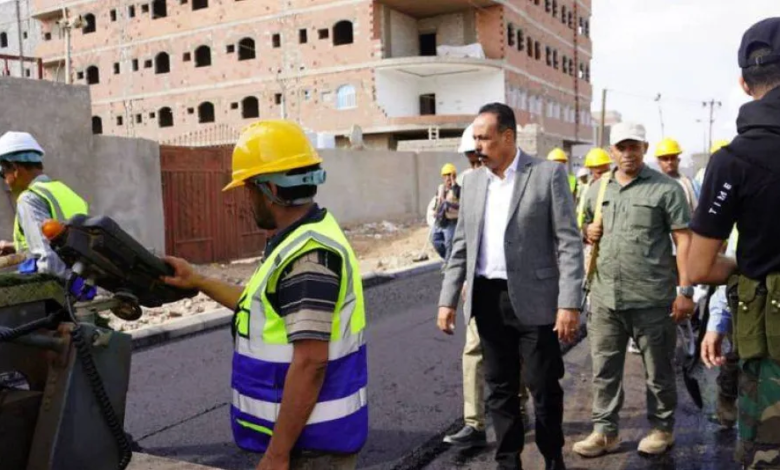

تشهد الساحة اليمنية في الآونة الأخيرة تحركات حكومية مكثفة تهدف إلى إعادة تفعيل المؤسسات الخدمية في المحافظات المحررة، وذلك في إطار خطة استراتيجية تسعى لانتشال البلاد من حالة الركود وتطبيع الأوضاع المعيشية للمواطنين. وتأتي هذه الخطوات استجابةً للحاجة الماسة لاستعادة دور الدولة وتوفير الخدمات الأساسية التي تضررت بشكل كبير خلال السنوات الماضية.
سياق تاريخي وتحديات راهنة
منذ اندلاع النزاع في اليمن، تعرضت البنية التحتية والمؤسسات الحكومية لضرر بالغ، مما أدى إلى توقف شبه تام للعديد من الخدمات الحيوية مثل الكهرباء، المياه، الصحة، والتعليم. وقد تسبب هذا التدهور في تفاقم الأزمة الإنسانية، حيث وجد المواطن اليمني نفسه محاصراً بين مطرقة غلاء المعيشة وسندان غياب الخدمات الحكومية. وتعمل الحكومة المعترف بها دولياً، والتي تتخذ من العاصمة المؤقتة عدن مقراً لها، وسط تحديات اقتصادية وأمنية معقدة، إلا أن إعادة بناء المؤسسات تظل حجر الزاوية في أي عملية استقرار سياسي أو اجتماعي.
أهمية تفعيل المؤسسات الخدمية
تكتسب هذه التحركات أهمية قصوى على عدة أصعدة. محلياً، يعد تفعيل المؤسسات الخدمية الخطوة الأولى نحو استعادة ثقة المواطن في الدولة، وتخفيف العبء عن كاهل الأسر التي تعاني من انقطاع الخدمات. كما أن تشغيل هذه المؤسسات يساهم في خلق فرص عمل جديدة وتقليل معدلات البطالة المرتفعة. وعلى الصعيد الاقتصادي، يعتبر وجود مؤسسات خدمية فعالة شرطاً أساسياً لجذب الاستثمارات وإعادة الدورة الاقتصادية للعمل، مما ينعكس إيجاباً على استقرار العملة الوطنية وتحسين القوة الشرائية.
الدعم الإقليمي والدولي
لا تعمل الحكومة اليمنية بمعزل عن محيطها، حيث تحظى هذه التحركات بدعم من التحالف العربي والشركاء الدوليين والمانحين. وتعتبر إعادة تفعيل المؤسسات شرطاً أساسياً لتدفق المنح والمساعدات الدولية المخصصة لإعادة الإعمار والتنمية. وتسعى الحكومة من خلال هذه الجهود إلى إثبات قدرتها على إدارة الملفات الخدمية والأمنية، مما يعزز موقفها في أي مفاوضات سياسية قادمة ويمه الطريق لمرحلة التعافي الشامل.
ختاماً، تمثل هذه التحركات الحكومية بارقة أمل لليمنيين، ورغم ضخامة التحديات، إلا أن الإصرار على تفعيل المؤسسات الخدمية يعد مؤشراً إيجابياً نحو استعادة ملامح الدولة وتوفير حياة كريمة للمواطنين.