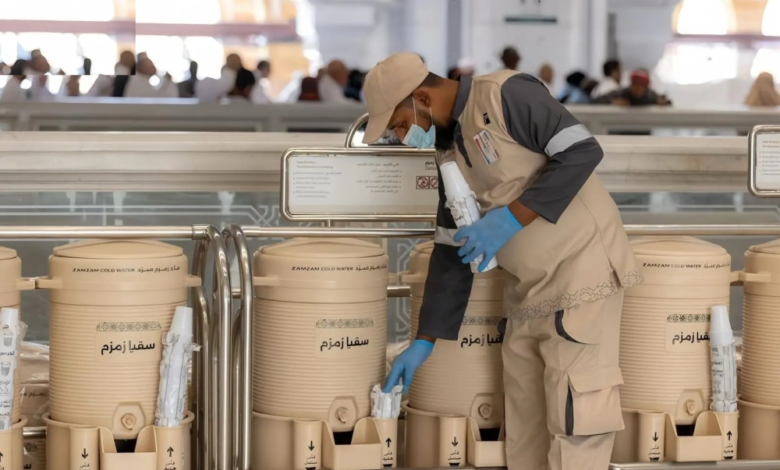

تواصل الهيئة العامة للعناية بشؤون المسجد الحرام والمسجد النبوي جهودها الحثيثة والمستمرة في تطوير منظومة سقيا زمزم داخل المسجد الحرام، وذلك من خلال تعزيز كفاءة مشربيات مياه زمزم وتوسيع نطاق نقاط الخدمة. يأتي هذا التطوير الاستراتيجي لمواكبة الكثافة المتزايدة لضيوف الرحمن خلال موسم الحج ومواسم العمرة، مما يرفع من مستوى الجاهزية التشغيلية في المواقع التي تشهد حركة بشرية عالية.
السياق التاريخي والأهمية الروحية لماء زمزم
تاريخياً، تحمل بئر زمزم مكانة روحية ودينية عظيمة في وجدان المسلمين حول العالم، حيث يمتد تاريخها لآلاف السنين منذ عهد النبي إبراهيم وابنه إسماعيل عليهما السلام. وقد كانت “السقاية” (توفير الماء للحجاج) شرفاً عظيماً تتوارثه الأجيال في مكة المكرمة. وفي العصر الحديث، أولت المملكة العربية السعودية منذ تأسيسها اهتماماً بالغاً وعناية فائقة ببئر زمزم، حيث انتقلت عملية السقيا من الطرق التقليدية إلى أحدث المنظومات التقنية العالمية، لضمان وصول المياه نقية ومبردة لملايين المسلمين، وهو ما يتوج اليوم بمشاريع عملاقة مثل مشروع الملك عبدالله بن عبدالعزيز لسقيا زمزم.
أرقام وإحصائيات: منظومة سقيا زمزم الحالية
يأتي المشروع الحالي ضمن توجه تشغيلي دقيق يركز على تحسين كفاءة توزيع مياه زمزم وتقليل الهدر المائي، مع تحقيق سرعة الاستجابة خلال أوقات الذروة. وتضم المنظومة الحالية أرقاماً تعكس حجم الجهد المبذول، حيث تشمل:
- 169 مشربية زمزم موزعة بعناية في أرجاء المسجد الحرام.
- استخدام ما يقارب 14,892 حافظة مياه (باردة وعادية) يومياً.
- توزيع أكثر من 2,146,000 كأس يومياً لخدمة المصلين والزوار.
- يبلغ متوسط استهلاك مياه زمزم نحو 1,622 متراً مكعباً يومياً.
- إجراء فحوصات مخبرية يومية على 70 عينة للتأكد من سلامة المياه وجودتها وفق أعلى المعايير الصحية العالمية المعتمدة.
الأثر المحلي والدولي لتطوير خدمات المسجد الحرام
على الصعيد المحلي، ينسجم هذا التطوير بشكل مباشر مع مستهدفات “برنامج خدمة ضيوف الرحمن”، أحد أهم برامج رؤية المملكة 2030، والذي يهدف إلى إحداث نقلة نوعية في تجربة الحج والعمرة. أما على الصعيدين الإقليمي والدولي، فإن كفاءة إدارة الحشود وتوفير المياه الآمنة لملايين الزوار من مختلف دول العالم يعكس القدرات الفائقة للمملكة في إدارة التجمعات البشرية الضخمة، ويضمن عودة الحجاج إلى بلدانهم بصحة وسلامة، حاملين معهم ذكريات إيجابية عن جودة الخدمات المقدمة.
مبادرات تشغيلية متكاملة لتقليل الازدحام
تعكس مؤشرات التشغيل تطوراً ملحوظاً في إدارة منظومة السقيا، من خلال الاعتماد على قياس الطلب وتحليل الاحتياج الفعلي لنقاط الخدمة. وأكدت الهيئة أن تطوير منظومة سقيا زمزم يُعد جزءاً من حزمة مبادرات تشغيلية متكاملة تهدف إلى الارتقاء بتجربة ضيوف الرحمن. ويُنتظر أن تسهم هذه التحسينات الجديدة في تقليل التكدس حول مواقع السقيا، ودعم انسيابية الحركة داخل المسجد الحرام، إلى جانب تعزيز الاستدامة التشغيلية عبر خفض الفاقد وترشيد الاستهلاك، بما يضمن استمرار تقديم الخدمة بكفاءة عالية على مدار الساعة.