15th anniversary of the Fukushima disaster: Aftermath of the earthquake and tsunami

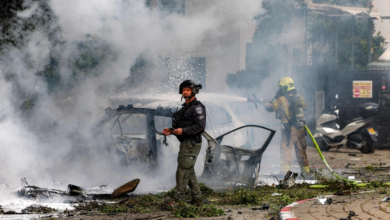
Today, Japan commemorates the 15th anniversary of one of the worst twin disasters in modern history: the Tohoku earthquake and tsunami, which triggered the catastrophic meltdown at the Fukushima Daiichi nuclear power plant. This day marks a significant moment to reflect on the immense losses suffered by the nation and to highlight the ongoing recovery and reconstruction efforts.
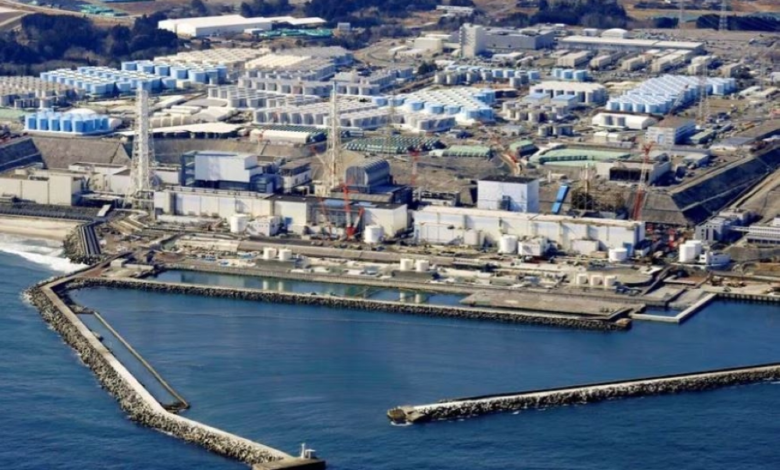
According to the Japanese news agency Kyodo, the devastating magnitude 9.0 earthquake and subsequent tsunami caused the cooling systems at the Fukushima Daiichi nuclear power plant to collapse. This tragic chain of events resulted in the deaths of at least 22,000 people, either directly from the disaster or from its aftermath.
According to accurate official statistics, the Japanese National Police Agency estimated the death toll from these three disasters at 15,901, while 2,519 people remained missing as of the end of February. The majority of these tragic losses were concentrated in the prefectures of Miyagi, Fukushima, and Iwate, which were on the front lines of the devastating tsunami.
Japan's Prime Minister, Sanae Takaichi, is scheduled to attend the official memorial service held by Fukushima Prefecture to honor the victims and renew the government's commitment to supporting the affected areas.
General context and historical background of the Fukushima disaster
The roots of the disaster can be traced back to March 11, 2011, when a massive earthquake struck off the east coast of Japan, generating tsunami waves that reached heights of over 40 meters in some areas. The waters swept across the coastline, devastating entire towns and villages, and causing a power outage at the Fukushima Daiichi nuclear power plant. The failure of the cooling systems led to meltdowns in the cores of three nuclear reactors, resulting in the world's worst nuclear disaster since the Chernobyl crisis in Ukraine in 1986, classified as Level 7 (the highest) on the International Nuclear Event Scale.
The importance of the event and its impact locally, regionally, and internationally
Domestically, the Fukushima disaster left deep scars on Japanese society, forcing hundreds of thousands to flee their homes to escape radioactive contamination. Even 15 years later, efforts to decontaminate and decommission the damaged reactors are still ongoing—a complex and extremely costly process expected to take decades. The disaster also profoundly impacted Japan's energy policy, leading to the temporary shutdown of all its nuclear reactors before restarting some under stricter safety standards.
Regionally and internationally, the disaster sent shockwaves through global energy policies. It prompted many countries to make crucial decisions to phase out nuclear power, as Germany did. It also led the International Atomic Energy Agency (IAEA) to review and update nuclear safety protocols worldwide. The regional impact continues, particularly with Japan beginning to discharge treated water from the Fukushima plant into the Pacific Ocean—a move that has sparked ongoing discussions with neighboring countries regarding marine environmental safety, underscoring that the repercussions of this disaster transcend geographical and temporal boundaries.