
وأوضحت الوكالة أن 58 حكومة طبقت إجراءات لترشيد استهلاك الطاقة، شملت خفض استخدام الوقود، وتشجيع العمل والدراسة عن بُعد، وتقليل السفر الحكومي، وخفض استهلاك الكهرباء في المباني.
تخفيف الأعباء على المستهلكين
وأشارت الوكالة إلى أن 94 حكومة قدمت دعماً مباشراً لأسعار الطاقة، عبر سقوف للأسعار، ودعم للوقود، وإجراءات ضريبية لتخفيف الأعباء على المستهلكين.
وفي المقابل، أعلنت 30 دولة سياسات طويلة الأجل لتقليل الاعتماد على الوقود الأحفوري، من خلال برامج كفاءة الطاقة، والتوسع في السيارات الكهربائية، وتحفيز استخدام الطاقة المتجددة.
ووفقاً لوكالة الطاقة الدولية، لا تزال أسواق البنزين والديزل تعاني من شح في المعروض، مدفوعة بتراجع المخزونات، وارتفاع الطلب خلال موسم السفر الصيفي، إضافة إلى اضطرابات في شحنات المنتجات النفطية المرتبطة بروسيا والشرق الأوسط.
الضغط على سلاسل الإمداد
وحذر رئيس وكالة الطاقة الدولية فاتح بيرول مراراً من أن الوضع في مضيق هرمز «يزيد من المخاوف بشأن أمن إمدادات النفط وحالة عدم اليقين إزاء آفاق السوق»، مشيراً في الوقت ذاته إلى وجود «عوامل تخفيف».
وأشارت وكالة الطاقة الدولية إلى أن أي تصعيد جديد في التوترات الجيوسياسية، خصوصاً في الشرق الأوسط، قد يعيد الضغط على سلاسل الإمداد، في وقت لا تزال فيه الأسواق تحاول استيعاب آثار اضطرابات الشحن والتكرير خلال الأشهر الماضية.
وفي روسيا، أثرت الهجمات والقيود على صادرات الديزل، بينما حدت التوترات في الشرق الأوسط من قدرة بعض مصافي الخليج على تصدير البنزين والديزل ووقود الطائرات بالوتيرة المعتادة.
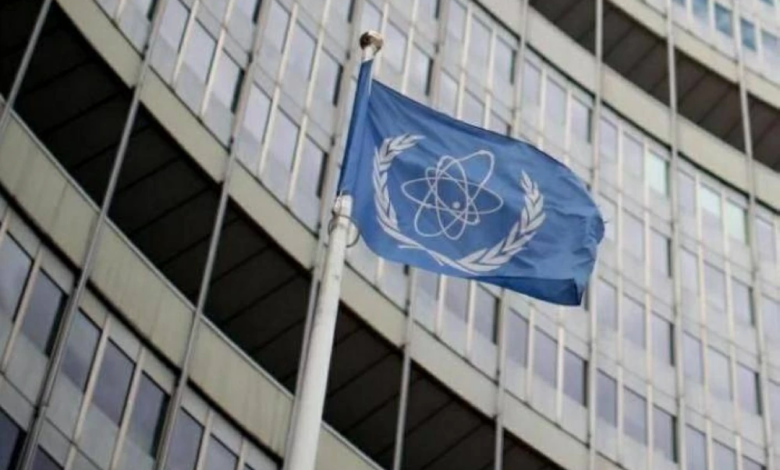
The International Energy Agency announced that more than 115 countries have taken measures to adapt to the repercussions of the Iran war and the closure of the Strait of Hormuz, in an attempt to mitigate the effects of energy supply disruptions.
The agency explained that 58 governments implemented measures to rationalize energy consumption, which included reducing fuel use, encouraging remote work and study, minimizing government travel, and lowering electricity consumption in buildings.
Relieving the Burden on Consumers
The agency noted that 94 governments provided direct support for energy prices, through price caps, fuel subsidies, and tax measures to alleviate the burden on consumers.
In contrast, 30 countries announced long-term policies to reduce dependence on fossil fuels, through energy efficiency programs, expanding electric vehicles, and promoting the use of renewable energy.
According to the International Energy Agency, gasoline and diesel markets continue to suffer from supply shortages, driven by declining inventories and increased demand during the summer travel season, in addition to disruptions in oil product shipments related to Russia and the Middle East.
Pressure on Supply Chains
Fatih Birol, the head of the International Energy Agency, has repeatedly warned that the situation in the Strait of Hormuz “increases concerns about the security of oil supplies and the uncertainty regarding market prospects,” while also pointing out the existence of “mitigating factors.”
The International Energy Agency indicated that any new escalation in geopolitical tensions, particularly in the Middle East, could reapply pressure on supply chains, at a time when markets are still trying to absorb the effects of shipping and refining disruptions over the past months.
In Russia, attacks and restrictions on diesel exports have had an impact, while tensions in the Middle East have limited the ability of some Gulf refineries to export gasoline, diesel, and jet fuel at their usual pace.