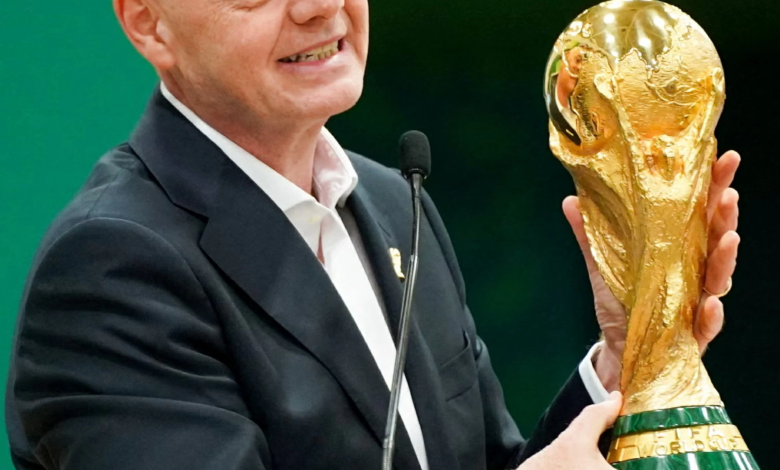

تحولت خطة الاتحاد الدولي لكرة القدم «فيفا» لإعادة تشكيل منظومته التجارية إلى واحدة من أكثر القضايا إثارة للجدل داخل أروقة كرة القدم العالمية، بعدما كشفت صراعاً بين رؤية يقودها رئيس الاتحاد جياني إنفانتينو تقوم على جذب استثمارات ضخمة وتوسيع موارد التطوير، ومخاوف متصاعدة من اتحادات وقوى كروية ترى أن المشروع قد يغيّر طبيعة إدارة اللعبة ومستقبلها.
وتقوم الخطة على إنشاء شركة تجارية جديدة تتولى إدارة الحقوق الاقتصادية للبطولات الكبرى، وعلى رأسها كأس العالم، مع طرح حصة أقلية تصل إلى 20% أمام مستثمرين من القطاع الخاص، مع احتفاظ «فيفا» بالسيطرة الكاملة على الكيان الجديد والقرارات الرياضية والتنظيمية المرتبطة بالبطولات. ويقدّر الاتحاد الدولي قيمة المشروع بنحو 20 مليار دولار، مع استهداف توفير موارد مالية إضافية لبرامج تطوير كرة القدم حول العالم.
وفي إطار حشد الدعم للمقترح، أبلغ إنفانتينو الاتحادات الأعضاء بأن حزمة تمويل بقيمة إجمالية تصل إلى 10 مليارات دولار ستصبح متاحة اعتباراً من الأول من يناير 2027 في حال الموافقة على الانضمام إلى المشروع. وتشمل الخطة حصول كل اتحاد عضو على تمويل قد يصل إلى 40 مليون دولار خلال الدورة القادمة، بينما سيبقى برنامج «فيفا فوروورد» للتطوير بقيمته الحالية البالغة 2.7 مليار دولار في حال رفض المقترح.
وأثارت هذه الحوافز المالية جدلاً واسعاً، إذ نقلت صحيفة «التايمز» البريطانية عن مصادر معارضة وصفها للعرض بأنه «رشوة صريحة»، باعتبار أن تقديم مبالغ كبيرة للاتحادات قبل اتخاذ قرار بشأن مشروع يعيد رسم الهيكل التجاري لـ«فيفا» قد يؤثر في مواقفها. ويرفض الاتحاد الدولي هذا التوصيف، مؤكداً أن التمويل المقترح يندرج ضمن هدفه المعلن بزيادة الدعم المخصص لتطوير اللعبة، وأن قرار المشاركة يبقى اختيارياً لكل اتحاد.
وسرعان ما اتسعت دائرة الاعتراضات، إذ تصدر الاتحاد الأوروبي لكرة القدم «يويفا» جبهة الرافضين، معتبراً أن حقوق ومسابقات كرة القدم الكبرى لا ينبغي التعامل معها كأصول تجارية قابلة للبيع. ودعا الاتحاد الأوروبي إلى اجتماع طارئ مع الاتحادات الوطنية الـ55 لبحث تداعيات المشروع والخيارات المتاحة للتعامل معه.
ولم تبقَ المعارضة محصورة في أوروبا، إذ أعرب اتحاد أمريكا الشمالية والوسطى والكاريبي «كونكاكاف» عن قلقه من عدم إشراكه في إعداد المشروع قبل الإعلان عنه، مطالباً بآليات أكثر وضوحاً في اتخاذ القرارات الكبرى. كما أعلن الاتحاد الآسيوي لكرة القدم خيبة أمله لعدم استشارته، مؤكداً أن أي مبادرة تعيد تشكيل مستقبل اللعبة يجب أن تقوم على الشفافية والتشاور مع الاتحادات القارية والوطنية.
وزاد الجدل بعد تقارير أشارت إلى أن «فيفا» يعمل مع بنك «جي بي مورغان» على تأسيس الكيان التجاري الجديد، وأن صندوق «ثرايف إتيرنال» بقيادة رجل الأعمال جوشوا كوشنر، شقيق جاريد كوشنر صهر الرئيس الأمريكي دونالد ترمب، من بين الجهات المرشحة للمشاركة في تحالف المستثمرين المحتمل. وأثارت هذه التقارير نقاشاً حول الأبعاد الاقتصادية والسياسية المرتبطة بالمشروع.
ويرى منتقدو الخطة أن دخول مستثمرين إلى الهيكل التجاري للبطولات الكبرى قد يخلق ضغوطاً مستقبلية لزيادة العائدات عبر توسيع البطولات أو تعديل أجندة المنافسات بما يخدم المصالح التجارية. كما يعتبرون أن طريقة الإعلان عن المشروع، دون مشاورات مسبقة واسعة مع الاتحادات، عمّقت أزمة الثقة داخل منظومة «فيفا».
في المقابل، يتمسك إنفانتينو بالمشروع، مؤكداً أن الهدف الأساسي هو توفير موارد مالية غير مسبوقة لمساعدة الاتحادات، خصوصاً في الدول التي تعاني محدودية الإمكانات، مع التشديد على أن المستثمرين لن يمتلكوا أي سلطة على قوانين اللعبة أو تنظيم البطولات.
وبين وعود التمويل التاريخية ومخاوف فقدان الاستقلالية، يجد «فيفا» نفسه أمام اختبار حاسم لقدرة إنفانتينو على تمرير أكبر مشروع اقتصادي في تاريخ الاتحاد الدولي، وسط سؤال مركزي يفرض نفسه على مستقبل كرة القدم.. كيف يمكن تحقيق النمو التجاري مع الحفاظ على هوية اللعبة ومبادئ إدارتها؟
The plan by the International Football Federation “FIFA” to reshape its commercial structure has turned into one of the most controversial issues within the corridors of global football, revealing a conflict between a vision led by President Gianni Infantino aimed at attracting massive investments and expanding development resources, and rising concerns from federations and football powers that see the project as potentially altering the management and future of the game.
The plan involves creating a new commercial company to manage the economic rights of major tournaments, primarily the World Cup, with a minority stake of up to 20% being offered to private sector investors, while FIFA retains full control over the new entity and the sporting and organizational decisions related to the tournaments. The international federation estimates the project’s value at around $20 billion, aiming to provide additional financial resources for football development programs worldwide.
In an effort to rally support for the proposal, Infantino informed member federations that a funding package totaling $10 billion would become available starting January 1, 2027, should they agree to join the project. The plan includes each member federation receiving funding of up to $40 million during the next cycle, while the “FIFA Forward” development program will remain at its current value of $2.7 billion if the proposal is rejected.
These financial incentives have sparked widespread debate, as the British newspaper “The Times” quoted opposing sources describing the offer as a “blatant bribe,” arguing that offering large sums to federations before making a decision on a project that redraws FIFA’s commercial structure could influence their positions. FIFA rejects this characterization, asserting that the proposed funding falls within its stated goal of increasing support for the development of the game, and that the decision to participate remains optional for each federation.
Opposition quickly widened, with UEFA (the European Football Association) leading the front of dissenters, arguing that the rights and competitions of major football should not be treated as commercial assets for sale. UEFA called for an emergency meeting with the 55 national federations to discuss the implications of the project and the available options for addressing it.
Opposition was not limited to Europe, as the Confederation of North, Central America and Caribbean Association Football (CONCACAF) expressed concern over not being involved in the preparation of the project before its announcement, demanding clearer mechanisms for making major decisions. The Asian Football Confederation also expressed disappointment at not being consulted, emphasizing that any initiative to reshape the future of the game should be based on transparency and consultation with continental and national federations.
The debate intensified following reports that FIFA is working with JPMorgan Chase to establish the new commercial entity, and that the “Thrive Capital” fund led by businessman Joshua Kushner, brother of Jared Kushner, son-in-law of U.S. President Donald Trump, is among the potential participants in the investor alliance. These reports sparked discussions about the economic and political implications associated with the project.
Critics of the plan argue that the entry of investors into the commercial structure of major tournaments could create future pressures to increase revenues by expanding tournaments or altering competition schedules to serve commercial interests. They also believe that the manner in which the project was announced, without extensive prior consultations with federations, has deepened the crisis of trust within FIFA.
In contrast, Infantino remains committed to the project, asserting that the primary goal is to provide unprecedented financial resources to assist federations, especially in countries with limited capabilities, while emphasizing that investors will have no authority over the laws of the game or the organization of tournaments.
Amid promises of historic funding and fears of losing independence, FIFA finds itself facing a crucial test of Infantino’s ability to pass the largest economic project in the history of the international federation, with a central question imposing itself on the future of football: How can commercial growth be achieved while preserving the identity of the game and its management principles?