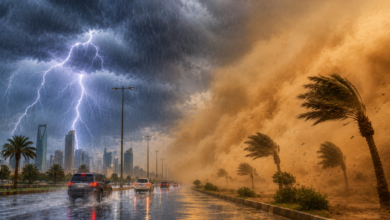

في خطوة رائدة تعكس التزام المملكة العربية السعودية بتوظيف أحدث التقنيات لخدمة المواطنين، فعّلت أمانة منطقة الباحة منظومة متقدمة من المستشعرات الذكية المرتبطة مباشرة بمركز الطوارئ والأزمات. تأتي هذه المبادرة ضمن الجهود المستمرة لتعزيز كفاءة التعامل مع الحالات المطرية ومواجهة مخاطر السيول، وذلك في إطار التحول الرقمي الشامل وتبني تقنيات المدن الذكية.
السياق التاريخي والجغرافي لتحديات الأمطار في الباحة
تتميز منطقة الباحة، الواقعة في القطاع الجنوبي الغربي من المملكة، بتضاريسها الجبلية وطبيعتها الجغرافية المعقدة التي تجعلها عرضة لهطول أمطار غزيرة وجريان السيول في الأودية والشعاب خلال مواسم معينة من العام. تاريخياً، كانت عمليات مراقبة منسوب المياه تعتمد بشكل كبير على الجولات الميدانية والتدخلات التقليدية، مما قد يؤخر أحياناً سرعة الاستجابة. ومع انطلاق رؤية السعودية 2030، برزت الحاجة الملحة للتحول نحو الحلول التقنية الاستباقية لحماية الأرواح والممتلكات، وتطوير بنية تحتية مرنة قادرة على التكيف مع التغيرات المناخية.
تركيب 302 مستشعر ذكي في مواقع حيوية
أوضح المشرف العام على إدارة الطوارئ والأزمات في أمانة منطقة الباحة، محمد آل ناجم، أن هذه الخطوة الاستراتيجية تأتي امتداداً لحرص الأمانة على رفع مستوى الجاهزية والاستجابة الفورية للحالات الطارئة. وقد شهدت المرحلة الأولى من المشروع تركيب نحو 302 مستشعر ذكي في مواقع تم تحديدها بعناية فائقة من قبل المختصين. استندت هذه الاختيارات إلى دراسات ميدانية دقيقة شملت تحليل مواقع تجمع المياه، وقياس ارتفاع منسوبها في العبارات، والكباري، والمجاري المائية، مما يسهم بشكل فعال في الحد من المخاطر المحتملة أثناء هطول الأمطار.
أهمية الحدث وتأثيره المحلي والوطني
تحمل هذه المنظومة التقنية أهمية كبرى على عدة أصعدة. محلياً، تضمن هذه المستشعرات الذكية في الباحة توفير بيئة آمنة للسكان وزوار المنطقة، وتقلل من الخسائر المادية التي قد تلحق بالبنية التحتية والممتلكات الخاصة. وطنياً وإقليمياً، تقدم أمانة الباحة نموذجاً يحتذى به لباقي أمانات وبلديات المملكة في كيفية إدارة الأزمات والكوارث الطبيعية باستخدام إنترنت الأشياء والذكاء الاصطناعي، مما يعزز من مكانة المملكة كدولة رائدة في تطبيق مفاهيم المدن الذكية في الشرق الأوسط.
منصة “إيميرج” والتدخل الاستباقي
وأشار آل ناجم إلى أن هذه المستشعرات الذكية مرتبطة بمنصة “إيميرج” التي تتيح متابعة فورية ودقيقة لحالة المواقع. يعمل مركز الطوارئ والأزمات على مدار الساعة لرصد البيانات الواردة، تحليلها، واتخاذ الإجراءات اللازمة بشكل استباقي. وفي حال تسجيل أي ارتفاع غير طبيعي في منسوب المياه، يتم فوراً تفعيل إجراءات التصعيد والتنسيق الآلي مع الجهات ذات العلاقة في الأمانة والبلديات التابعة لها للتدخل السريع.
جاهزية ميدانية ومنظومة بلاغات 940
إلى جانب الحلول التقنية، يواصل مركز الطوارئ والأزمات عمله الدؤوب مدعوماً بمنظومة البلاغات الموحدة 940. وخلال الحالة المطرية الأخيرة، تعامل المركز بكفاءة مع بلاغات محدودة ومتوسطة شملت تساقط بعض الأشجار والأحجار، وتجمعات مياه، وتساقط للبرد، وذلك دون تسجيل أي حالات خطرة ولله الحمد.
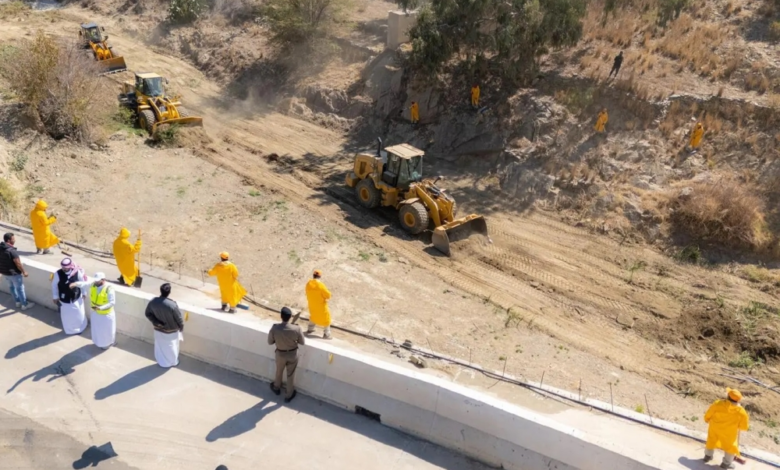
ولضمان التغطية الشاملة، لفت المشرف العام إلى تسخير قوة عاملة ضخمة تضم أكثر من 500 كادر ميداني من مشرفين، ومهندسين، وعمال. كما تم تجهيز أكثر من 300 معدة وآلية ثقيلة موزعة استراتيجياً على 39 موقع إسناد. تهدف هذه الاستعدادات إلى المتابعة الدقيقة لأكثر من 100 موقع حرج في المنطقة، لضمان سرعة الاستجابة، ومعالجة البلاغات وفق أعلى معايير السلامة والجودة المعتمدة.