
السعودية تتصدر المشهد الإقليمي في العواصف الغبارية
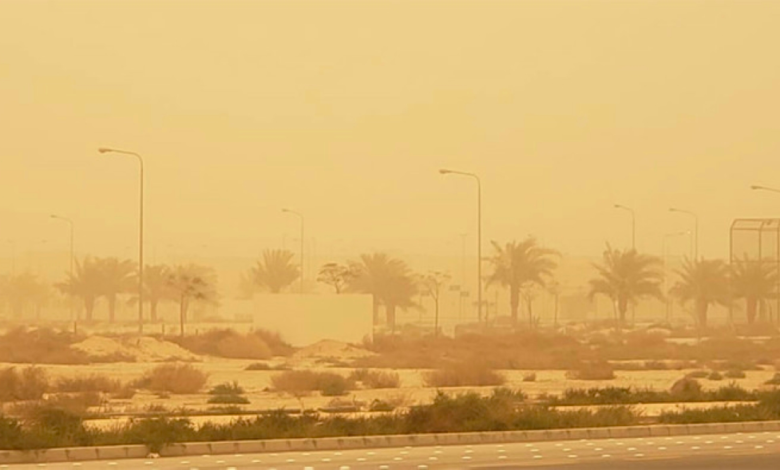
في ظاهرة مناخية تعكس طبيعة التغيرات الجوية في المنطقة، أعلن المركز الإقليمي للعواصف الغبارية والرملية عن تسجيل 176 ساعة من الحالات الغبارية في مختلف دول الإقليم خلال يوم 18 مايو. وقد تصدرت المملكة العربية السعودية قائمة الدول الأكثر تأثراً بهذه الظاهرة، حيث سجلت بمفردها 51 ساعة غبارية خلال يوم واحد، مما يسلط الضوء على التحديات البيئية والمناخية التي تواجهها المنطقة.
إحصائيات تفصيلية للدول المتأثرة
وأوضحت بيانات الرصد اليومية الدقيقة الصادرة عن المركز تفاوت التأثير بين دول الإقليم، حيث جاءت الإحصائيات على النحو التالي:
- السعودية: 51 ساعة غبارية.
- الأردن: 38 ساعة.
- اليمن: 25 ساعة.
- العراق: 19 ساعة.
- باكستان: 14 ساعة.
- إيران: 13 ساعة.
- أوزبكستان: 9 ساعات.
- سوريا: 4 ساعات.
- تركمانستان: ساعتان.
- طاجيكستان: ساعة واحدة.
في المقابل، خلت بقية دول الإقليم من أي نشاط غباري ملحوظ خلال الفترة الزمنية المذكورة، مما يشير إلى تركز الكتل الهوائية المحملة بالأتربة في مسارات جغرافية محددة.
السياق الجغرافي والمناخي للعواصف الرملية
تاريخياً وجغرافياً، تُعد منطقة الشرق الأوسط وشبه الجزيرة العربية من أكثر مناطق العالم عُرضة للعواصف الرملية والغبارية. ويعود ذلك إلى الطبيعة الصحراوية القاحلة، واتساع مساحة الكثبان الرملية مثل صحراء الربع الخالي والنفود. ومع دخول مواسم انتقالية، تنشط الرياح الموسمية، مثل رياح “البوارح”، التي تثير الأتربة وتؤدي إلى انخفاض حاد في مستوى الرؤية الأفقية. وتعتبر هذه الظواهر جزءاً من الدورة المناخية الطبيعية، إلا أن التغير المناخي العالمي وزيادة معدلات التصحر ساهما في زيادة وتيرة وكثافة هذه العواصف في السنوات الأخيرة.
التأثيرات المحلية والإقليمية للعواصف الغبارية
لا تقتصر تداعيات العواصف الغبارية على حجب الرؤية فحسب، بل تمتد لتشمل تأثيرات واسعة النطاق. محلياً، تؤثر هذه العواصف بشكل مباشر على الصحة العامة، حيث تزيد من حالات تهيج الجهاز التنفسي ونوبات الربو والحساسية لدى الأفراد. كما تتسبب في إرباك حركة الملاحة الجوية والبرية والبحرية، مما يؤدي إلى تأخير الرحلات وزيادة احتمالية وقوع الحوادث المرورية. اقتصادياً، تتراكم الأتربة على الألواح الشمسية مما يقلل من كفاءة توليد الطاقة المتجددة، فضلاً عن تأثيرها السلبي على المحاصيل الزراعية والبنية التحتية.
جهود المملكة والمركز الإقليمي للمواجهة
أكد المركز الإقليمي للعواصف الغبارية والرملية أن هذه المؤشرات تعكس استمرار تأثير الظروف المناخية الموسمية والنشاطات الجوية المحفزة للغبار. وشدد على ضرورة تعزيز أعمال الرصد والمتابعة الدقيقة لرفع مستوى الجاهزية في المناطق الأكثر تأثراً. وفي هذا السياق، تبرز أهمية المبادرات البيئية الضخمة التي تقودها المملكة، مثل “مبادرة السعودية الخضراء” و”مبادرة الشرق الأوسط الأخضر”، والتي تهدف إلى زراعة مليارات الأشجار لزيادة الغطاء النباتي، وهو ما يُعد خط الدفاع الأول للحد من زحف الرمال وتخفيف حدة العواصف الغبارية مستقبلاً.
وفي ختام بيانه، دعا المركز إلى اتخاذ كافة التدابير الوقائية اللازمة للحد من الآثار الصحية والبيئية لهذه الظواهر. كما أكد على الأهمية القصوى لتعزيز التعاون المشترك بين كافة دول الإقليم لتبادل البيانات والخبرات، وتطوير أنظمة إنذار مبكر تسهم في حماية المجتمعات وتعزيز السلامة العامة في ظل النشاط المتواصل للحالات الجوية المتقلبة.