
تراجع أسعار النفط استجابة للتهدئة الجيوسياسية
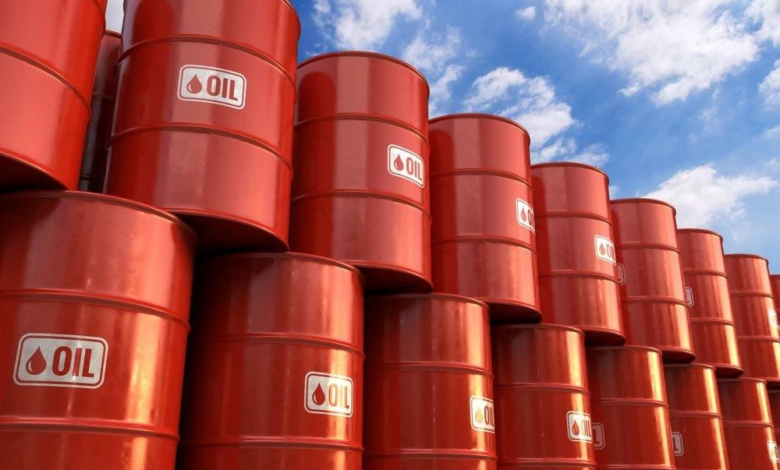
شهدت أسواق الطاقة العالمية تراجعاً ملحوظاً في أسعار النفط بأكثر من 2% خلال التعاملات الآسيوية المبكرة اليوم. جاء هذا الانخفاض الملموس كرد فعل مباشر وسريع بعد إعلان الرئيس الأمريكي دونالد ترامب تعليق هجوم عسكري كان من المقرر شنه على إيران. وقد اتخذت الإدارة الأمريكية هذا القرار الاستراتيجي بهدف إتاحة الفرصة لإجراء مفاوضات دبلوماسية جادة لإنهاء حالة التوتر وتجنب اندلاع حرب شاملة في منطقة الشرق الأوسط، والتي تعد الشريان الرئيسي لإمدادات الطاقة في العالم.
تفاصيل أسعار العقود الآجلة لخام برنت وغرب تكساس
على صعيد الأرقام والتداولات، انعكست هذه التهدئة فوراً على شاشات التداول، حيث انخفضت العقود الآجلة لخام برنت تسليم شهر يوليو القادم بمقدار 2.23 دولار أمريكي، أي بنسبة تراجع بلغت 1.99%، ليستقر السعر عند 109.87 دولار للبرميل. وفي الوقت ذاته، هبط سعر خام غرب تكساس الوسيط الأمريكي تسليم شهر يونيو القادم بمقدار 1.12 دولار، أو ما يعادل 1.22%، ليصل إلى 107.44 دولار للبرميل.
ومن الجدير بالذكر أن هذين الخامين القياسيين كانا قد سجلا أعلى مستوياتهما السعرية منذ الخامس من شهر مايو الجاري و30 أبريل الماضي على الترتيب خلال الجلسة السابقة، وذلك قبل أن تتدخل التصريحات السياسية لتهدئة مخاوف المستثمرين. ويتزامن هذا التراجع مع انقضاء أجل عقد يونيو القادم للخام الأمريكي اليوم، في حين انخفض عقد يوليو القادم، والذي يعد الأكثر نشاطاً وتداولاً، بمقدار 1.67 دولار (أي بنسبة 1.6%) ليصل إلى 102.71 دولار للبرميل.
السياق التاريخي وتأثير التوترات الأمريكية الإيرانية
تاريخياً، طالما كانت منطقة الخليج العربي ومضيق هرمز نقطة حساسة للغاية بالنسبة لأسواق النفط العالمية. فأي تلويح بعمل عسكري ضد إيران يؤدي تلقائياً إلى ارتفاع ما يُعرف بـ «علاوة المخاطر الجيوسياسية»، حيث يخشى المتداولون من تعطل إمدادات النفط المتدفقة من المنطقة. وفي هذا السياق، صرح الرئيس ترامب يوم أمس قائلاً: «إن هناك فرصة جيدة جداً لتتوصل الولايات المتحدة إلى اتفاق مع إيران يمنعها من الحصول على سلاح نووي». وجاءت هذه التصريحات المتفائلة بعد ساعات قليلة من إعلانه تعليق العمل العسكري، مما أرسل إشارات طمأنة قوية للمستثمرين بأن الإمدادات النفطية لن تتأثر في المدى المنظور.
إعفاءات النفط الروسي واستقرار الإمدادات العالمية
في سياق متصل بجهود استقرار أسواق الطاقة العالمية وتجنب أزمات نقص الإمدادات، برزت تحركات أخرى من جانب الإدارة الأمريكية للتعامل مع ملف الطاقة الروسي. فقد صرح وزير الخزانة الأمريكي، سكوت بيسنت، بأن الوزارة ستتخذ خطوات مرنة، قائلاً: «إن الوزارة ستمدد الإعفاء من العقوبات الذي يسمح بشراء النفط الروسي المنقول بحراً، وذلك لمدة 30 يوماً أخرى». وأوضح الوزير أن هذا القرار يهدف بالأساس إلى مساعدة الدول المستوردة المعرضة لخطر نقص الطاقة، وضمان عدم حدوث صدمات سعرية جديدة قد تضر بالاقتصاد العالمي الذي يعاني بالفعل من تحديات التضخم.
ختاماً، يظهر بوضوح كيف أن أسعار النفط تظل شديدة الحساسية للقرارات السياسية الكبرى. فبين التهدئة مع إيران والمرونة في التعامل مع النفط الروسي، تحاول القوى العالمية الحفاظ على توازن دقيق يضمن استمرار تدفق الطاقة بأسعار معقولة تدعم استقرار الأسواق الدولية.